Category Archives: Nature

Evidence spring is coming…

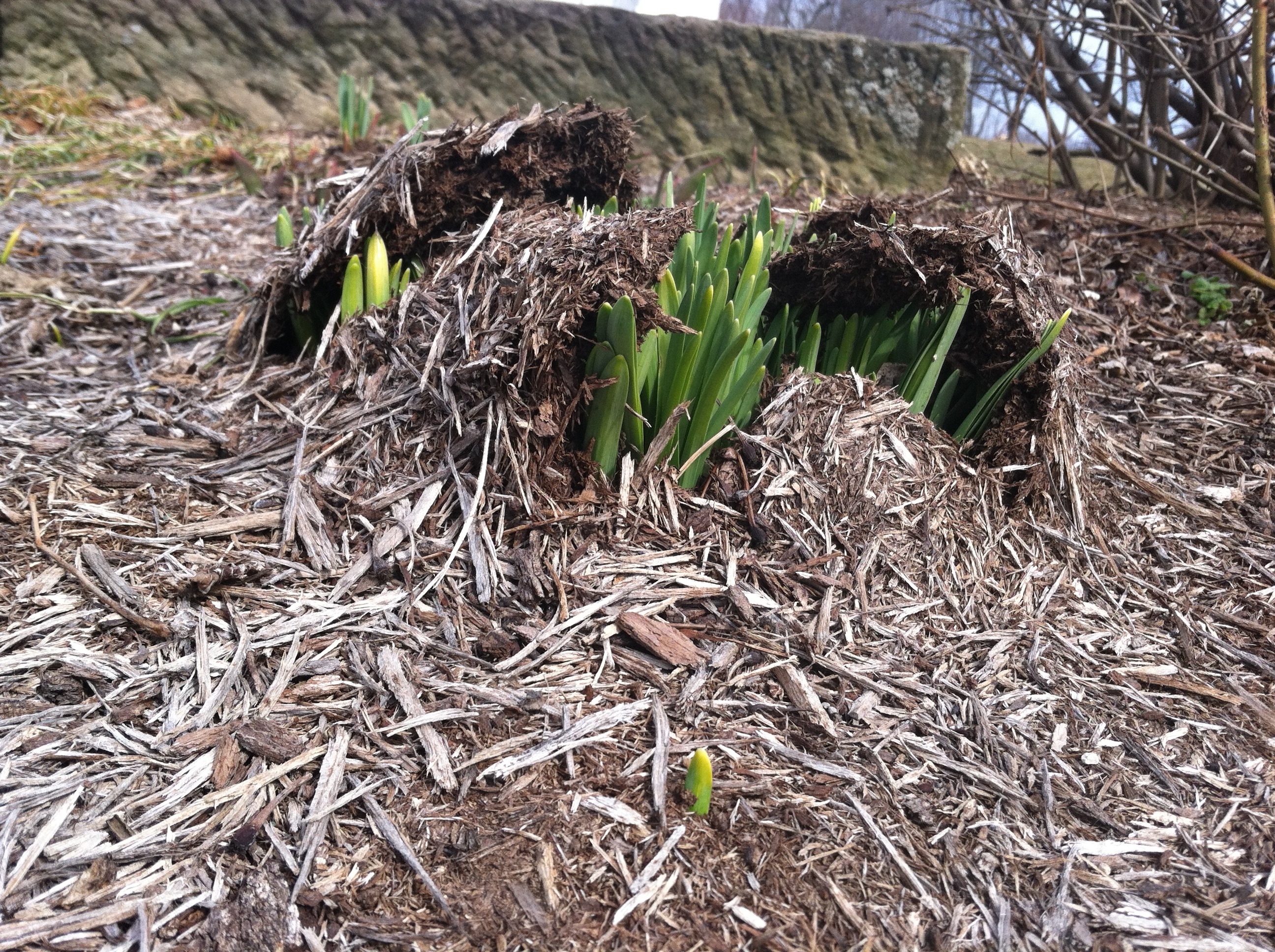
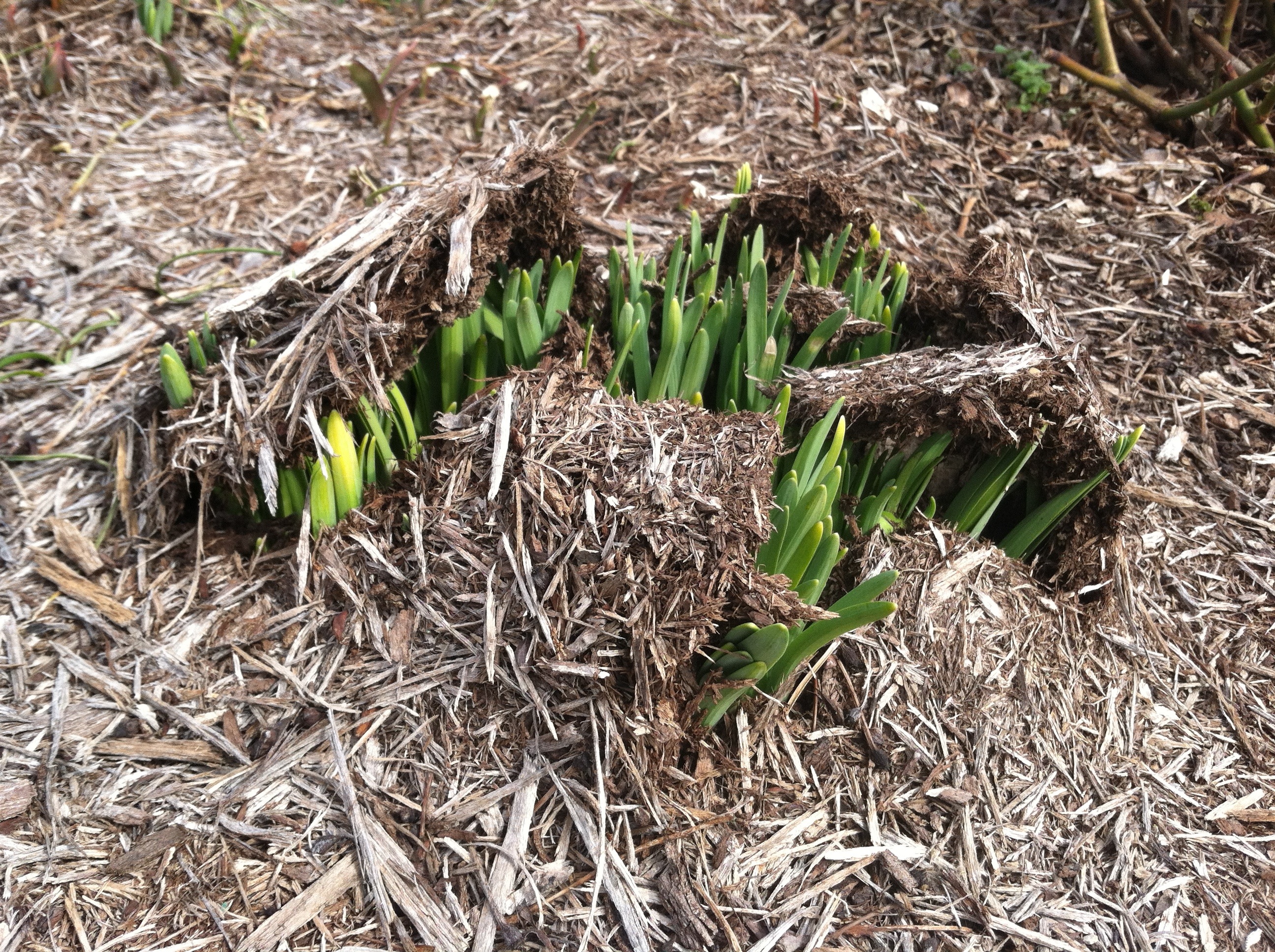
What a beautiful weekend we just had! Thought I’d share some pics of spring bursting forward…

Daffodils shooting through the dirt…

20130311-092708.jpg

20130311-093459.jpg

Buttercup looking HUGE, lol…

20130311-095001.jpg

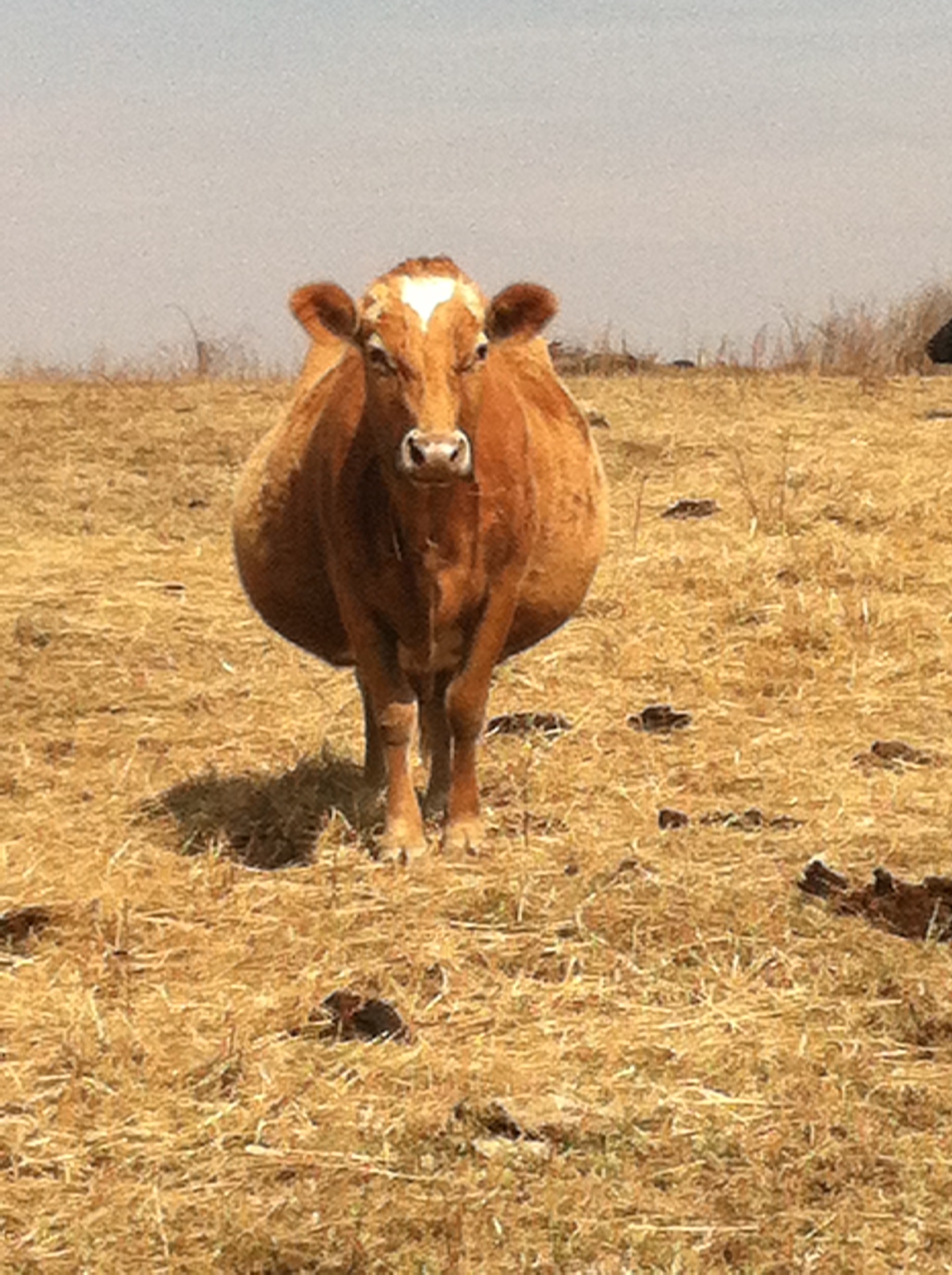
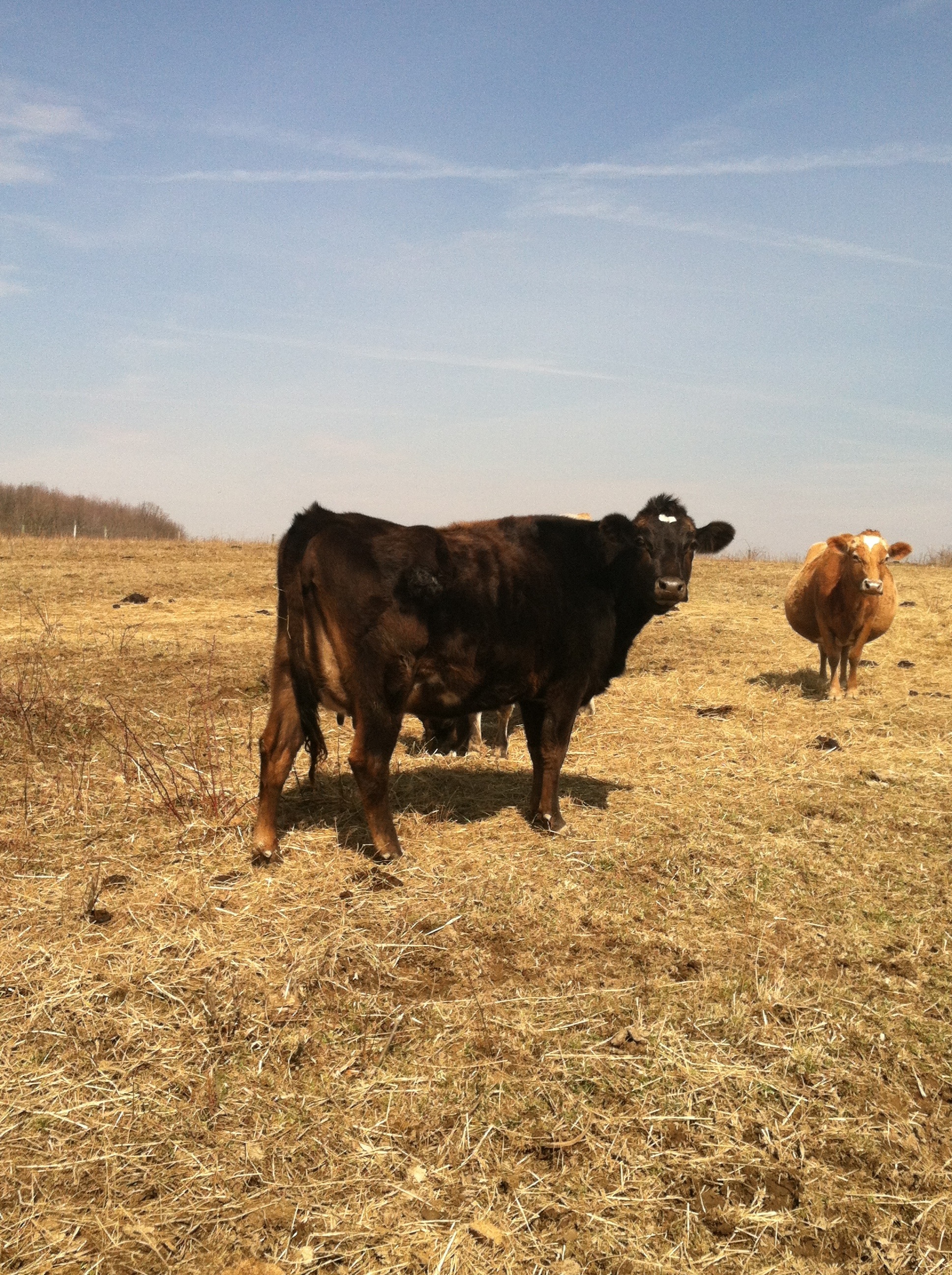
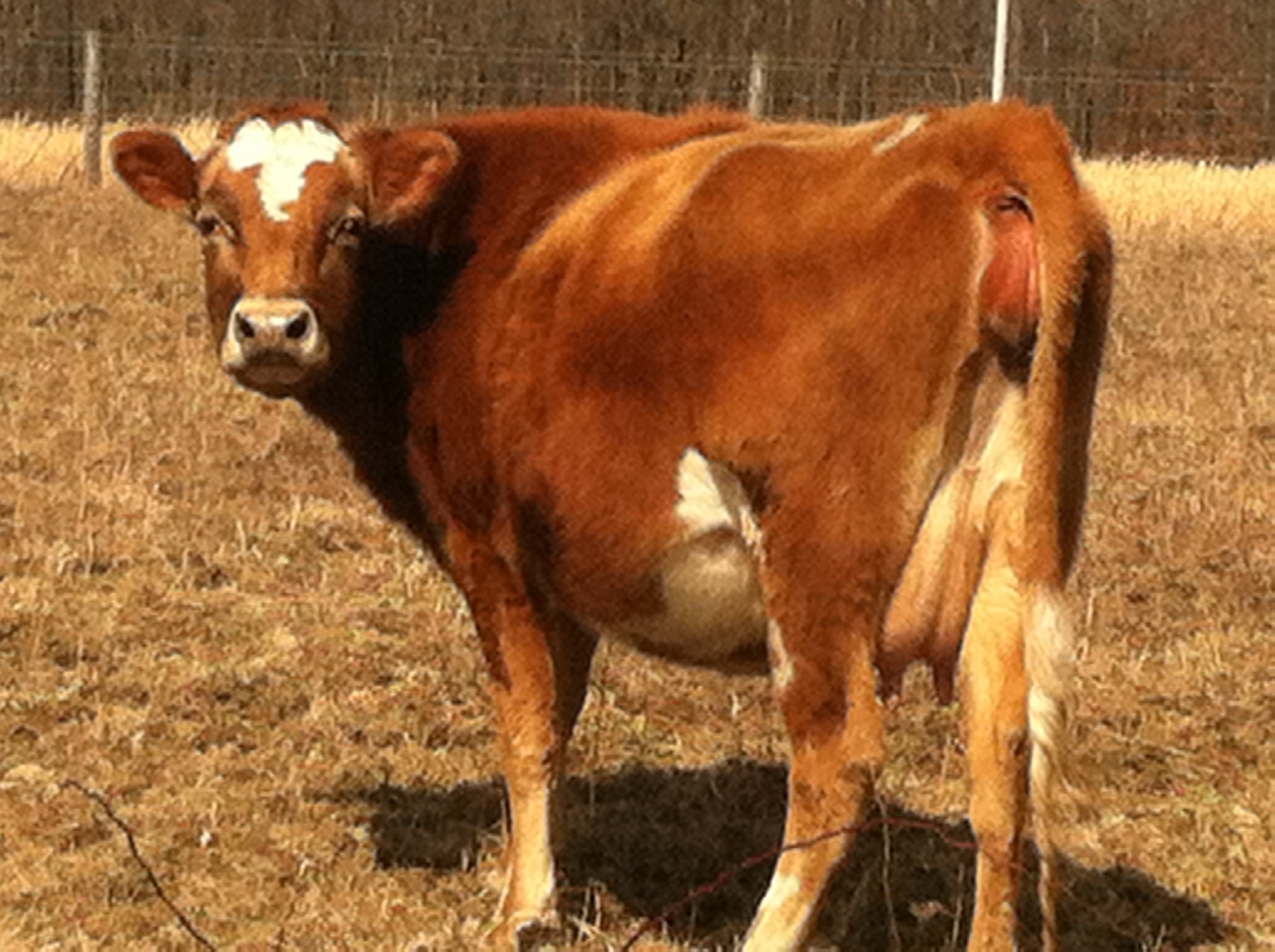
PeaPod’s udder is getting bigger… Her due date is just 12 days away!

20130311-095305.jpg

And Tangerine is swelling up, too… Her due date is the 29th.

20130311-095409.jpg

We’ve begun our morning “calf-check” walks. A wonderful way to begin each day… 🙂

20130311-100534.jpg

dried beans

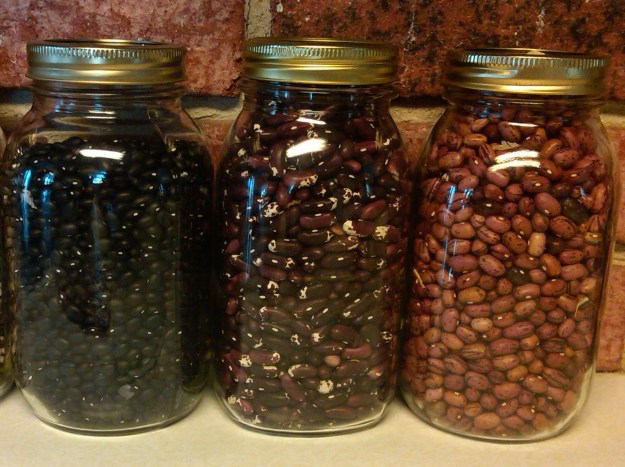
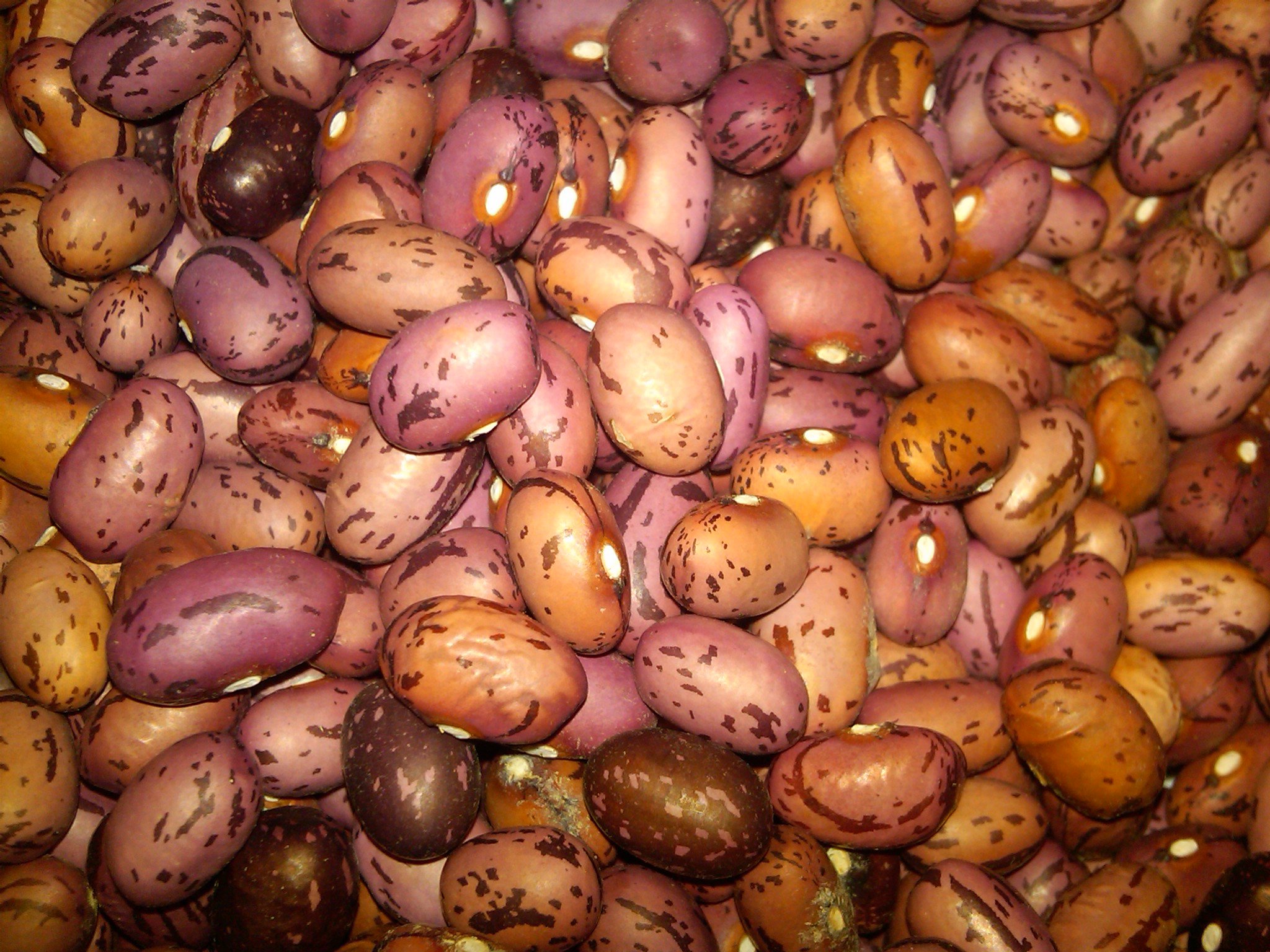
After touring a friend’s garden a few years ago, we were introduced to these soup beans.  LOVE THEM!  We normally grow Black Turtles, Vermont Cranberries, and Jacob’s Cattle.  Their colors are beautiful and look so pretty in a glass jar! The seeds are planted just like you would green bean seeds, only instead of harvesting them to eat like you would green beans (which you CAN do…), we leave them on the plants until the pods are dried and the plants are yellow/brown – early fall.  Once we harvest the dried pods, we simply remove the seeds from the pods. If they are really dry, the pods can “paper-cut” your fingers, so we try to not wait too long. [I was unable to find any pictures of them in this state, so perhaps this season I can take some & update this post…]

This is a GREAT chore that forces you to S-L-O-W down… I think that’s why I enjoy these beans so much.  They force me to SIT and “listen”…  Good therapy after a busy season of harvesting. 🙂

We do the best we can to sort out the imperfect seeds – ones that have sprouted or are cracked.  Usually, they are in the minority. (One year we did grow one type of seed: Painted Ponies, that had a lot of imperfect seeds, so we haven’t grown it again.)

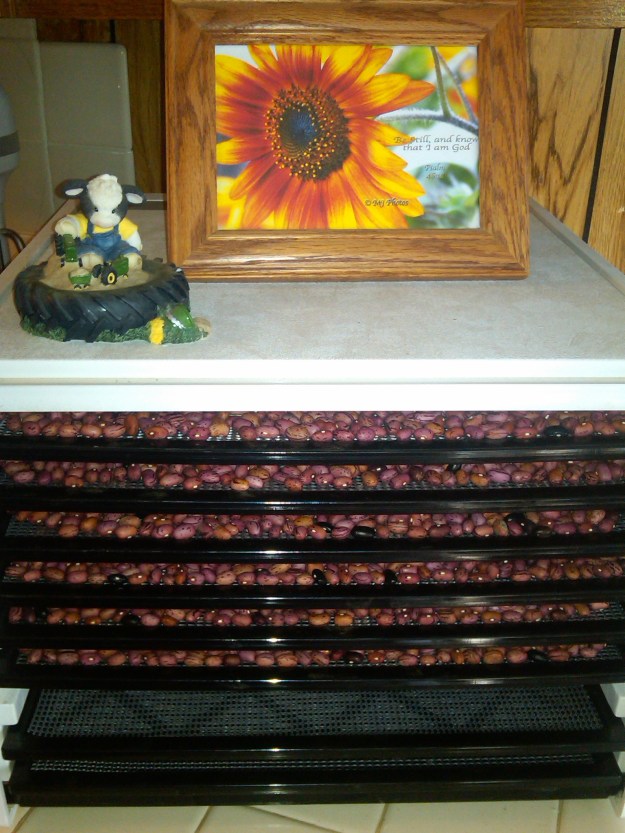
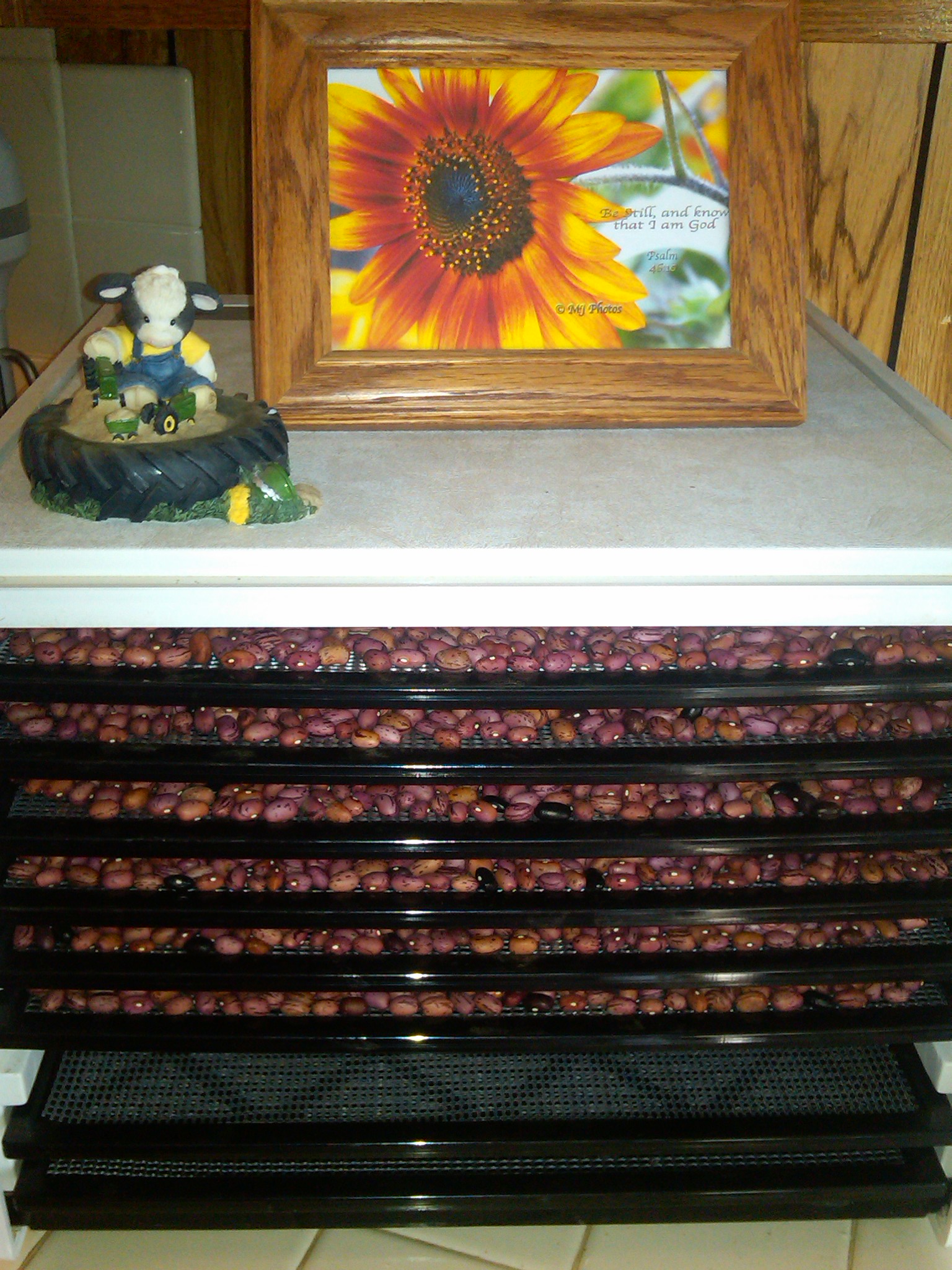
Just to make sure there is no moisture in the beans before storing them in glass jars in our pantry, we dry them in our dehydrator overnight.

To hydrate the beans, the best thing to do is soak them overnight.  We like to use a mixture of water & whey. This actually makes the beans more digestible.  That being said, in reality, I don’t always have the forethought to do that.  Most of the time I want to use them in a recipe the same day.  So below is the method we use that is quicker and works for us.

My formula for determining how many beans to hydrate is:

1/2 pound of dried beans = 1 cup of dried beans = 3 cups of finished, hydrated beans

Place dried beans in a large pot and cover with water by at least 2 inches. Bring to a boil. Boil for 1 minute. Remove pot from the heat, add a lid, and allow it to sit for 1 hour. Drain and rinse the beans. Add fresh water to cover the beans for at least 2 inches.  Bring to a boil. Add a lid & lower the heat.  Allow the beans to simmer for about 10-15 minutes. (…taste testing the crunchiness of a bean every so often…) Also need to remove the lid & stir occasionally – will keep the foamy water from overflowing onto your stove-top.:)

**This procedure is about half the time most cookbooks say to prepare dried beans.  We learned that the age of the beans determines how long the hydrating will take…when we followed the cookbooks, our beans were MUSH, lol. (Kinda makes you wonder just how old the beans are that are on the store shelves! Not a big deal, though – it is a nice attribute that this is a food with a long shelf-life.) After experimenting with less & less boiling times, we came up with our above procedure.  I say all this so that it is understood that it may take longer to get older dried beans to desired softness. 🙂

IMG-20120921-02293

IMG-20120921-02295

IMG-20120921-02297

IMG00473-20100925-1201a

Last season we had 21 quarts of beans for our pantry, 11 quarts for next door, and many smaller jars we filled & gave away as Christmas gifts with our bean soup recipe. 🙂

Processing carrots and celery

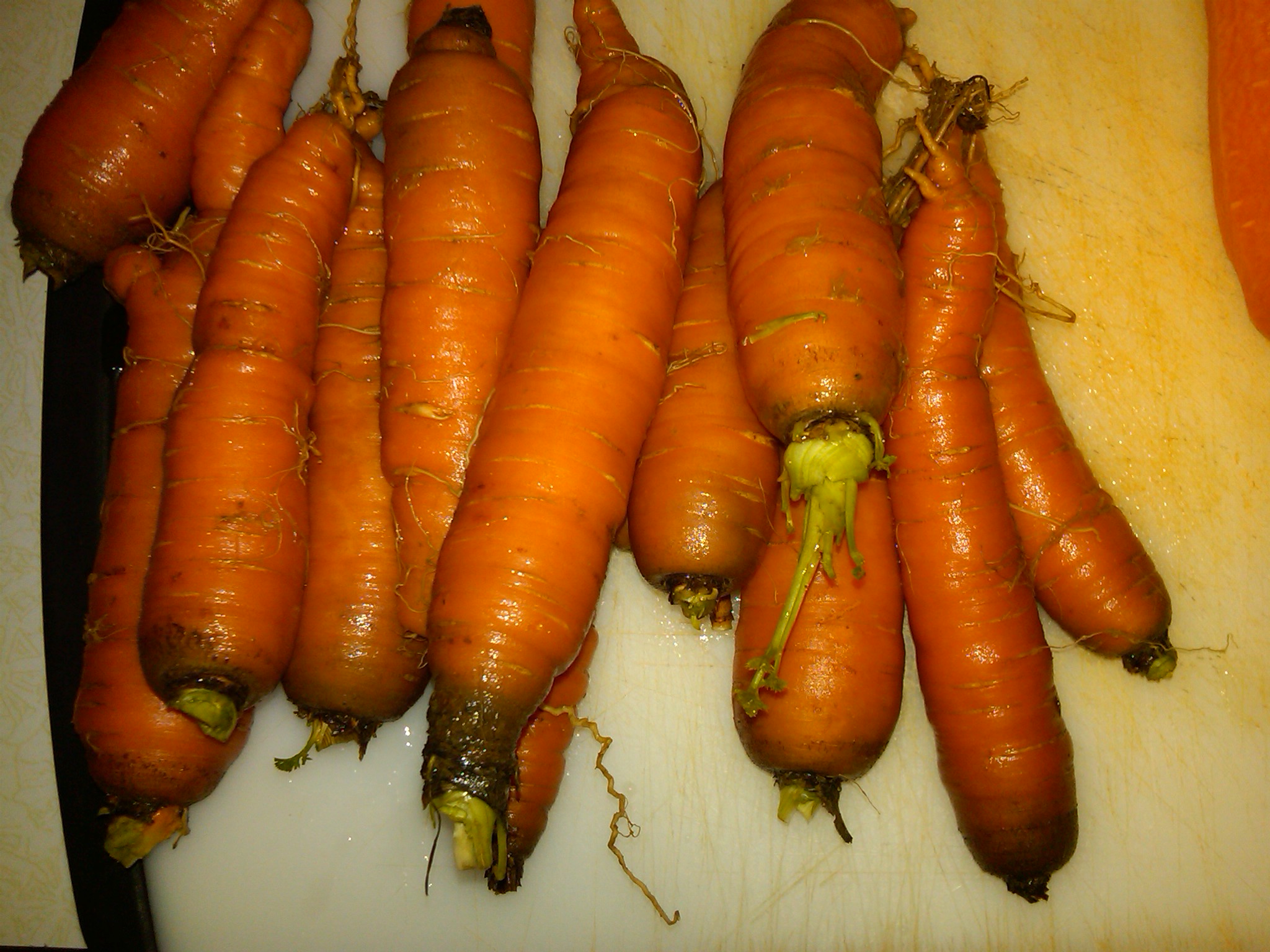
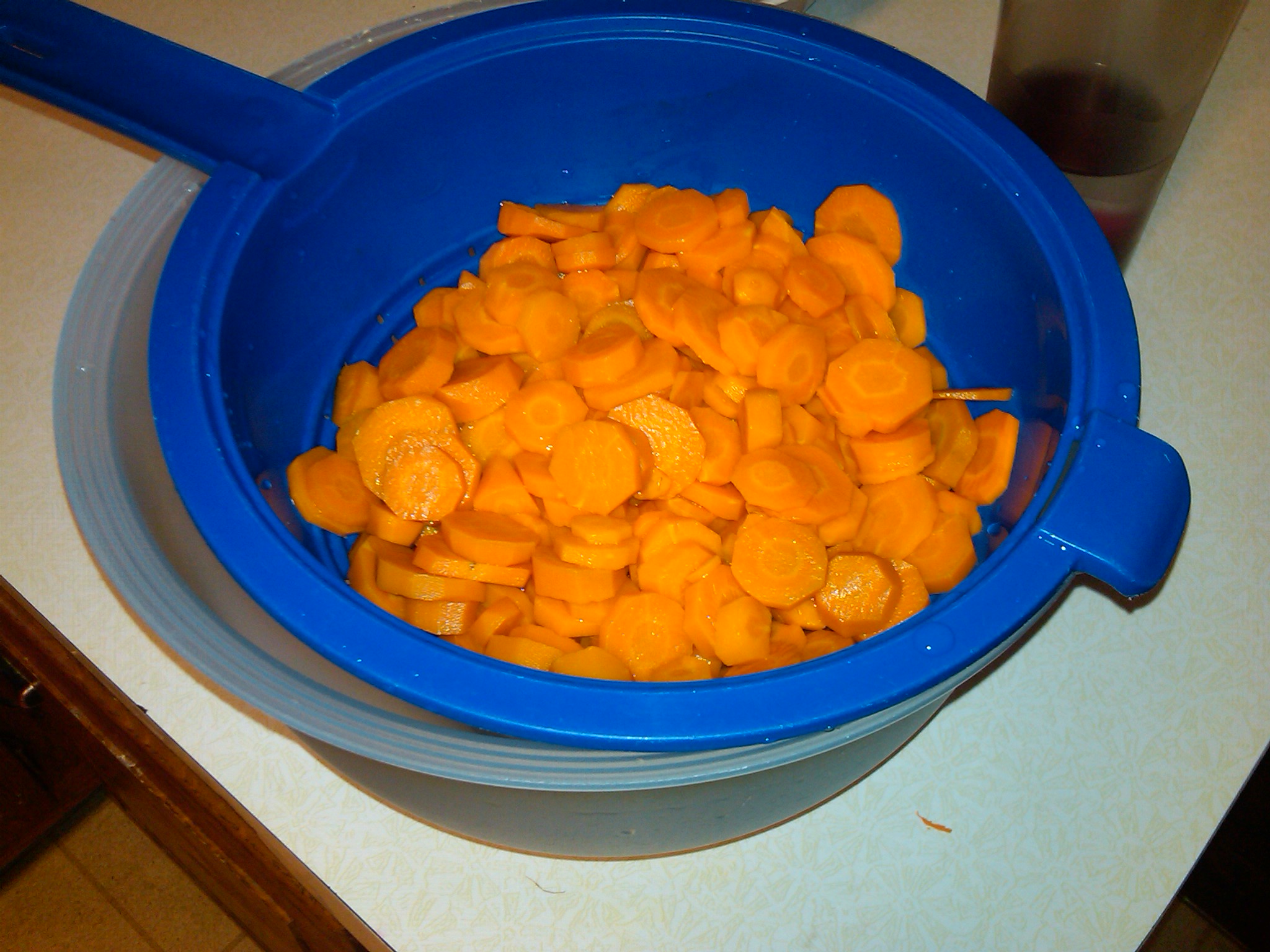
The carrots that aren’t eaten fresh, we blanch, chop, & freeze. Once they have drained well, we throw them in a big gallon bag. They don’t freeze into a solid clump, so we just scoop out whatever we need for our recipes for the year. I think last season we had 8 full gallon sized bags of carrots. 🙂

IMG-20120915-02270

IMG-20120915-02271

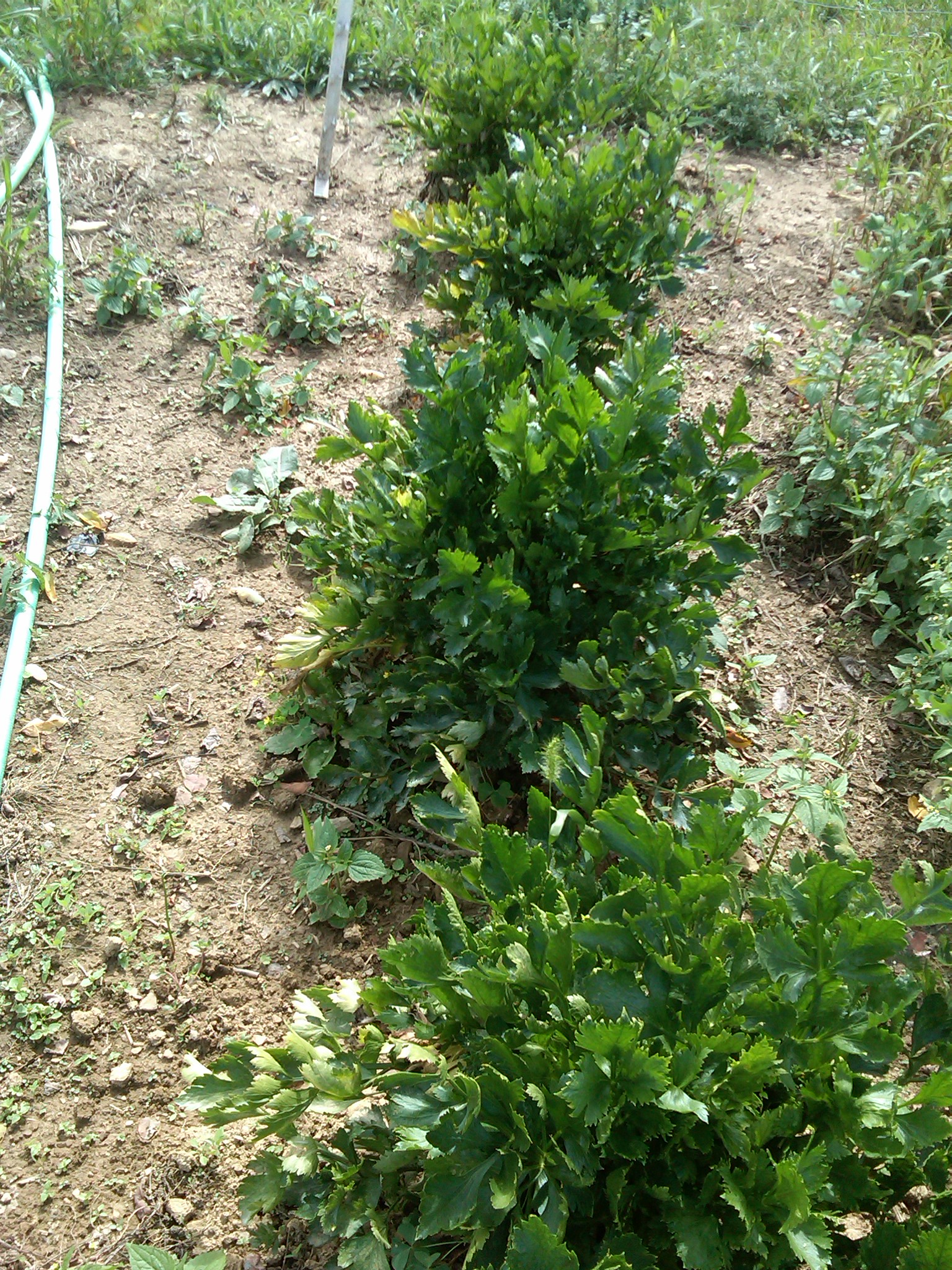
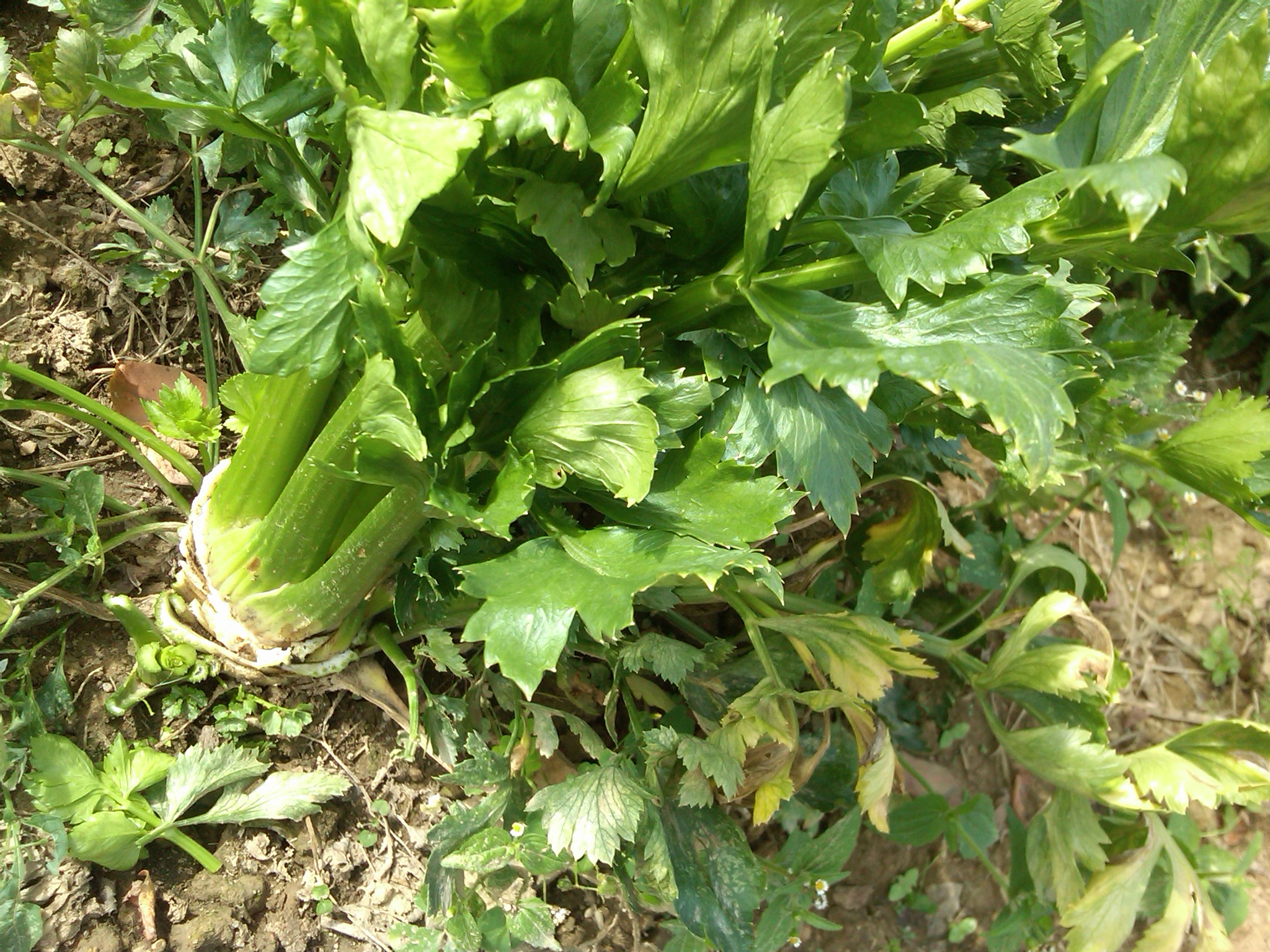
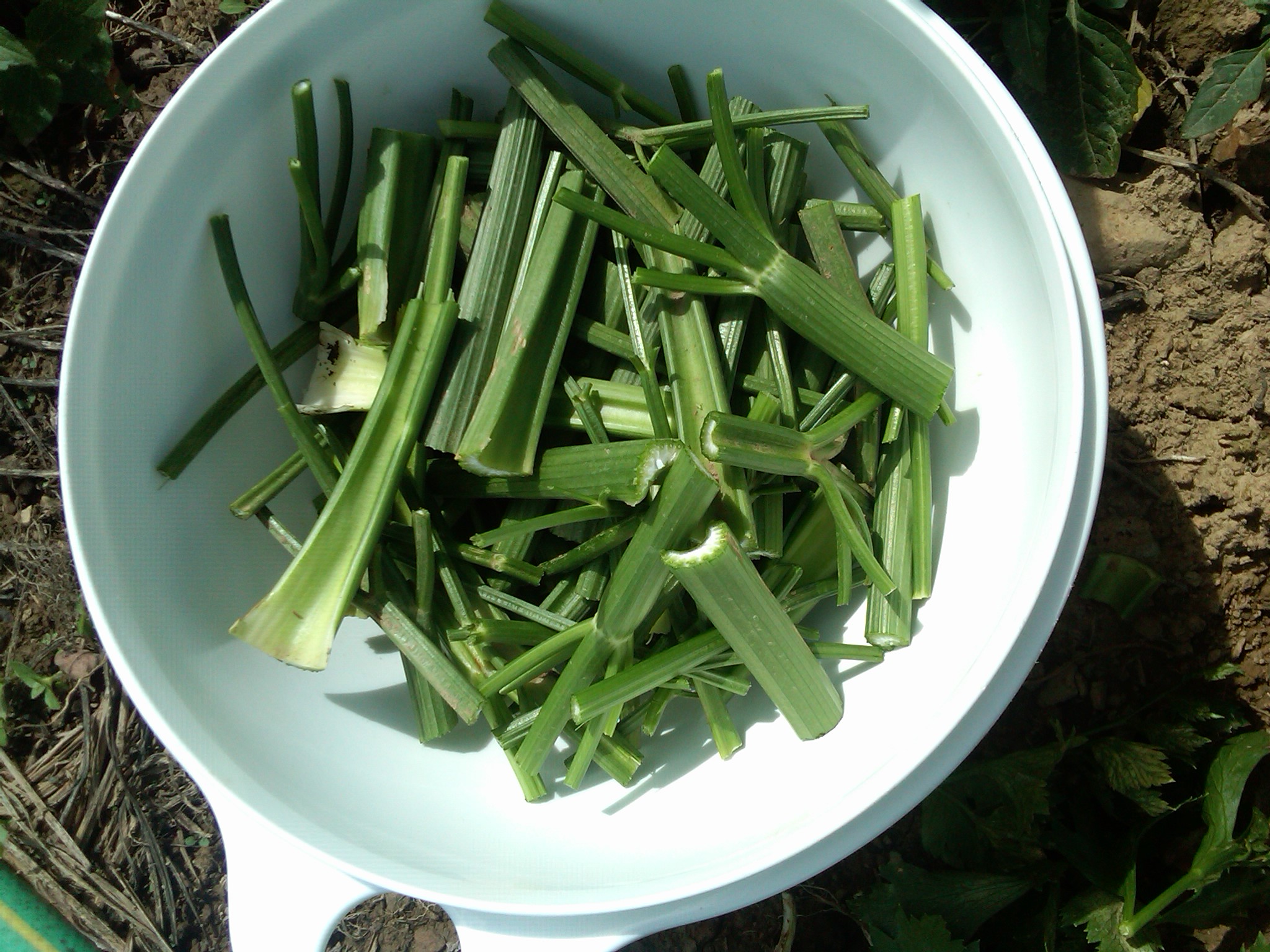
Celery has really been a fun plant for us. Once the plants are established, we just cut off a few stalks as we need them during the summer. Plants just keep growing up more stalks! At the end of the season, we cut off what’s left. We just wash, chop, and freeze it. I suppose we could blanch it, but we never have. Just like the carrots, it goes into one gallon freezer bags. I think we had about 8 bags last season. 🙂
IMG-20120920-02287

IMG-20120920-02285

IMG-20120920-02286


Processing tomatoes

IMG-20120924-02339

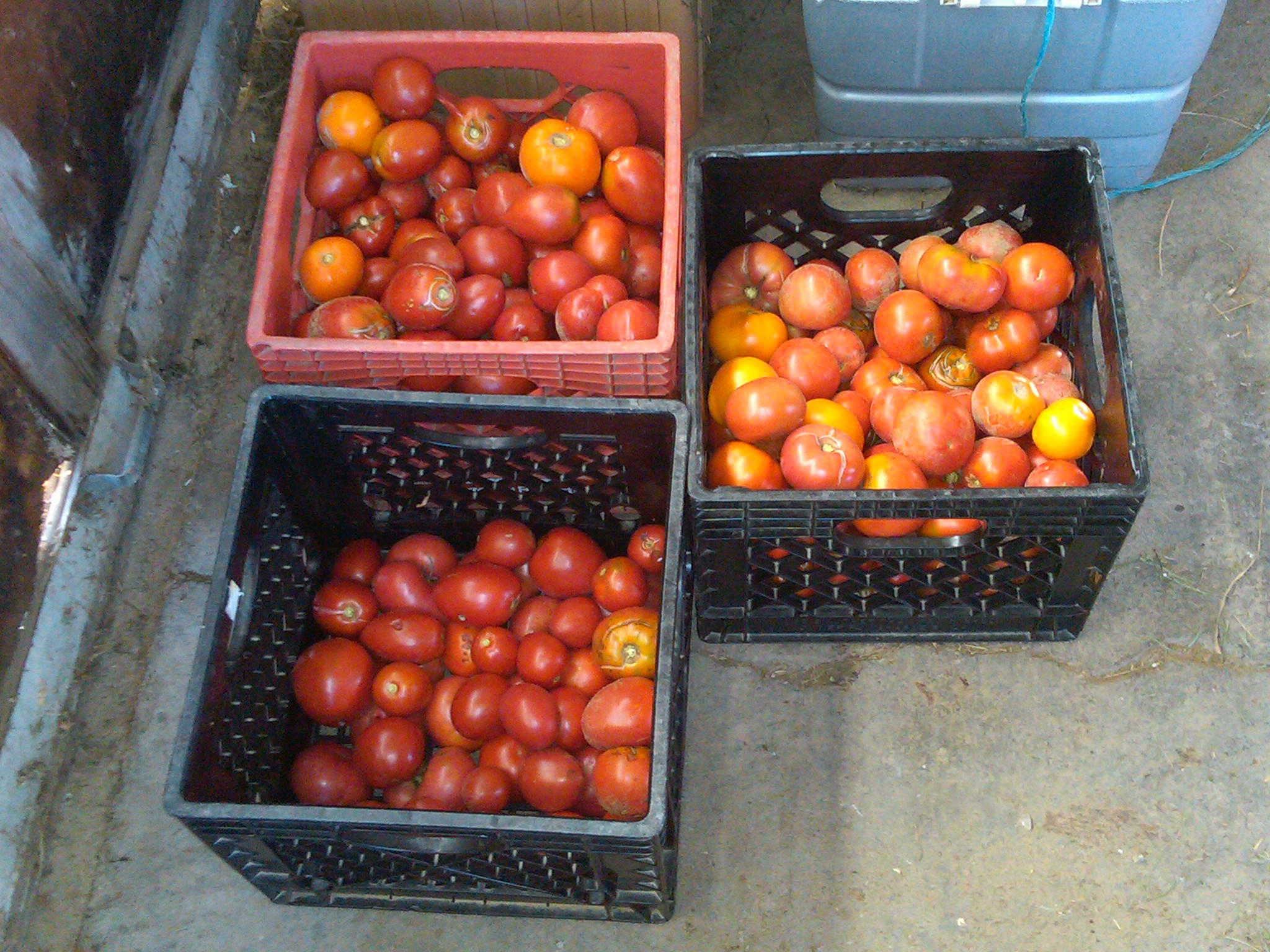
Despite the drought last year, we were blessed with a bountiful harvest – including tomatoes. 🙂
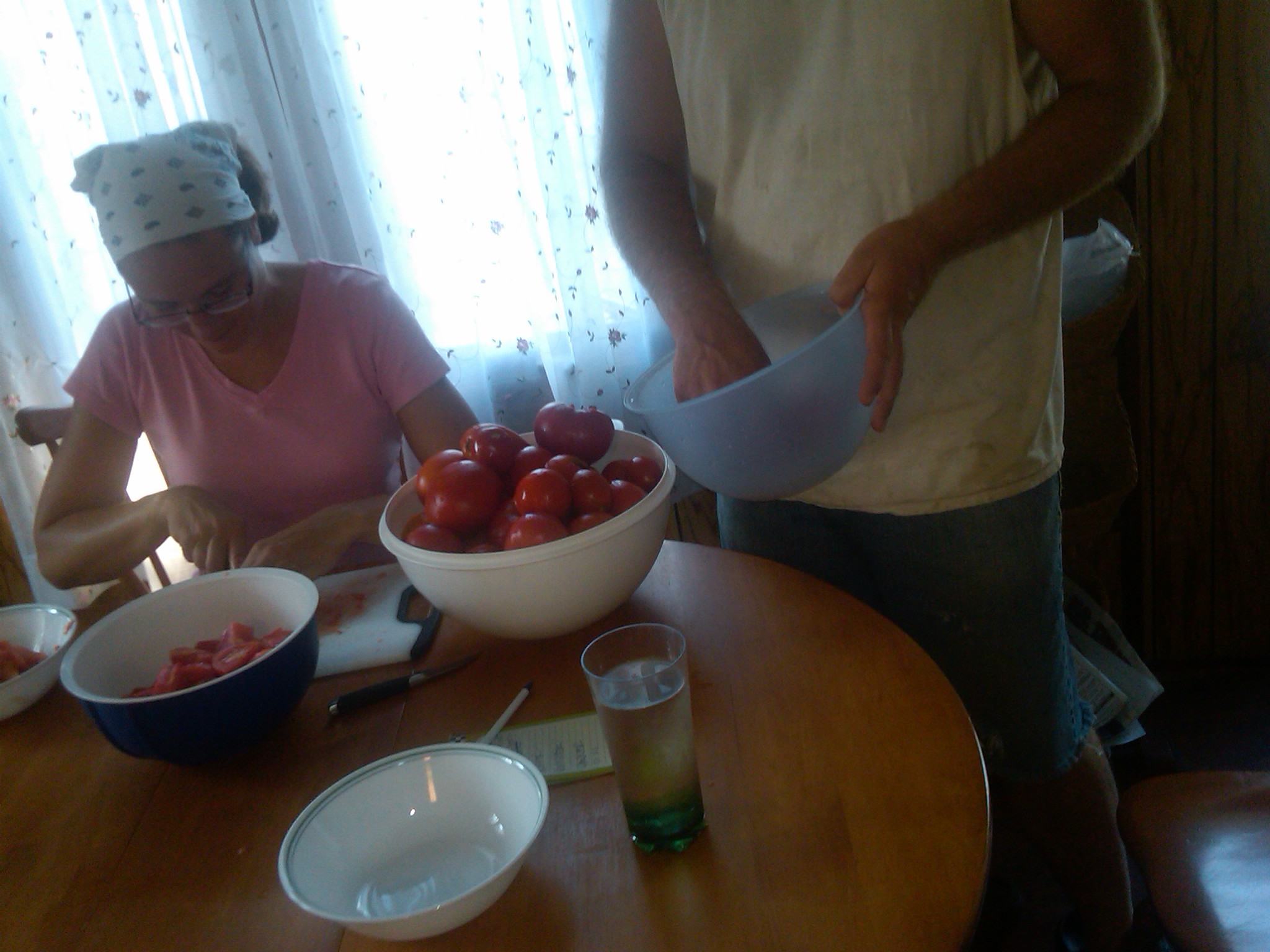
Here’s a snapshot of what we do with our maters. It is a true family effort – or I don’t know how I could do all.

When we first started doing this, I was COMPLETELY AMAZED at how many tomatoes it takes to create the same amount of tomato based products we used to buy from the store. We realized that we COULD NOT grow enough to provide the same “loot” in our pantry for one year. Because of that realization, we’ve scaled back on how much of it we eat, and we do our best to find healthier tomato sauces that we buy limited quantities of for our homemade pizzas. Thus reducing the amount of money we need to spend off-farm. This way, our energy goes toward the less time-consuming efforts like water bath canning whole tomatoes, juice, and our version of v(egetable)-8. We do make several canners full of tomato sauce, but can them in pints & they are treated like “gold”, lol. (I think last season furnished 10 pints for our pantry…) Normally, we focus on canning the whole tomatoes + juice for both ourselves and Mike’s parents, and his mom cooks down & cans the tomato sauce for all of us. (Group efforts are soooo nice!) LOTS of hours of stirring while it cooks down to the desired thickness, makes me feel a little protective of tomato sauce…and being SUPER conscious of not wasting it. These are good lessons that we are thankful to have learned. 🙂

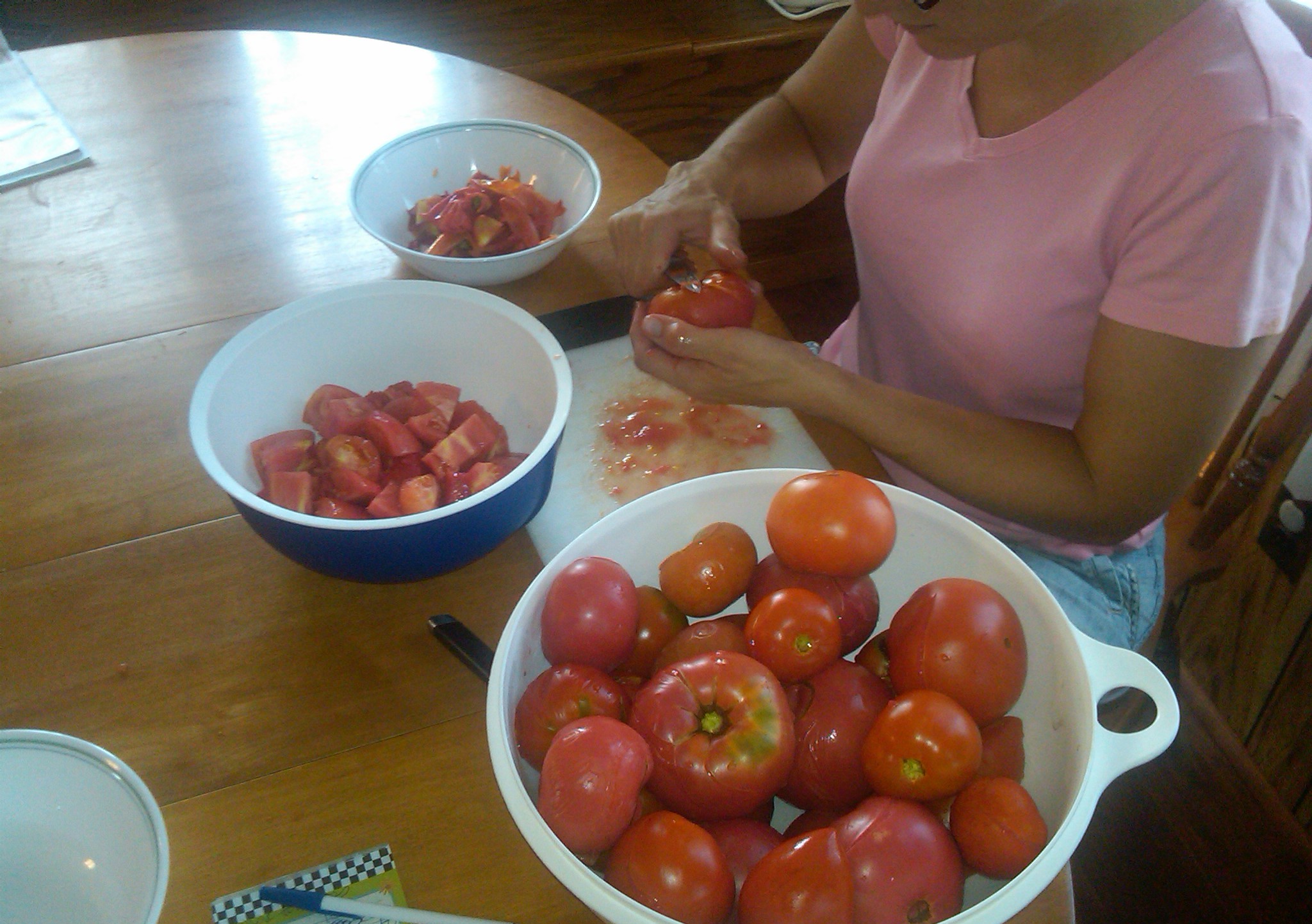
The biggest bulk of our maters are canned as whole tomatoes. (We are big soup/stew eaters, and we like a marinara sauce once in awhile, too. Whole tomatoes are perfect for those recipes.) Once the maters have been washed, we drop them in boiling water until the skin breaks – usually not more than one minute. Then we plunge them into ice water for quick cooling. The boys like this job & usually bicker over whose turn it is.

IMG-20120804-01815

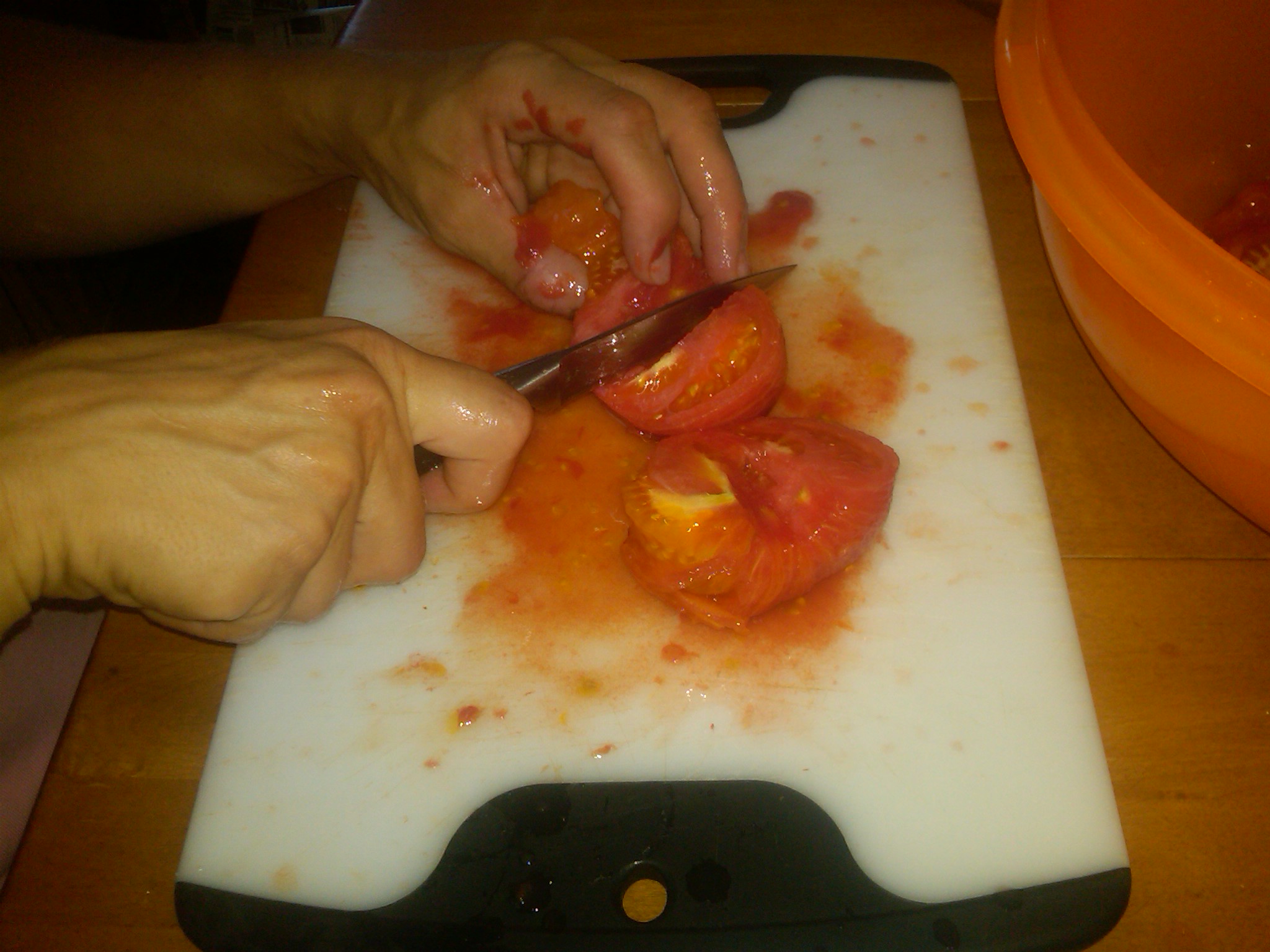
My “station” is usually as the “skinner/chunker”. None of my boys like the messiness of this part, so by default, the job is mine. I don’t mind, though…my hands might be yucky, but I can still bark orders pretty good, lol… 🙂

IMG-20120804-01817

IMG-20120804-01826

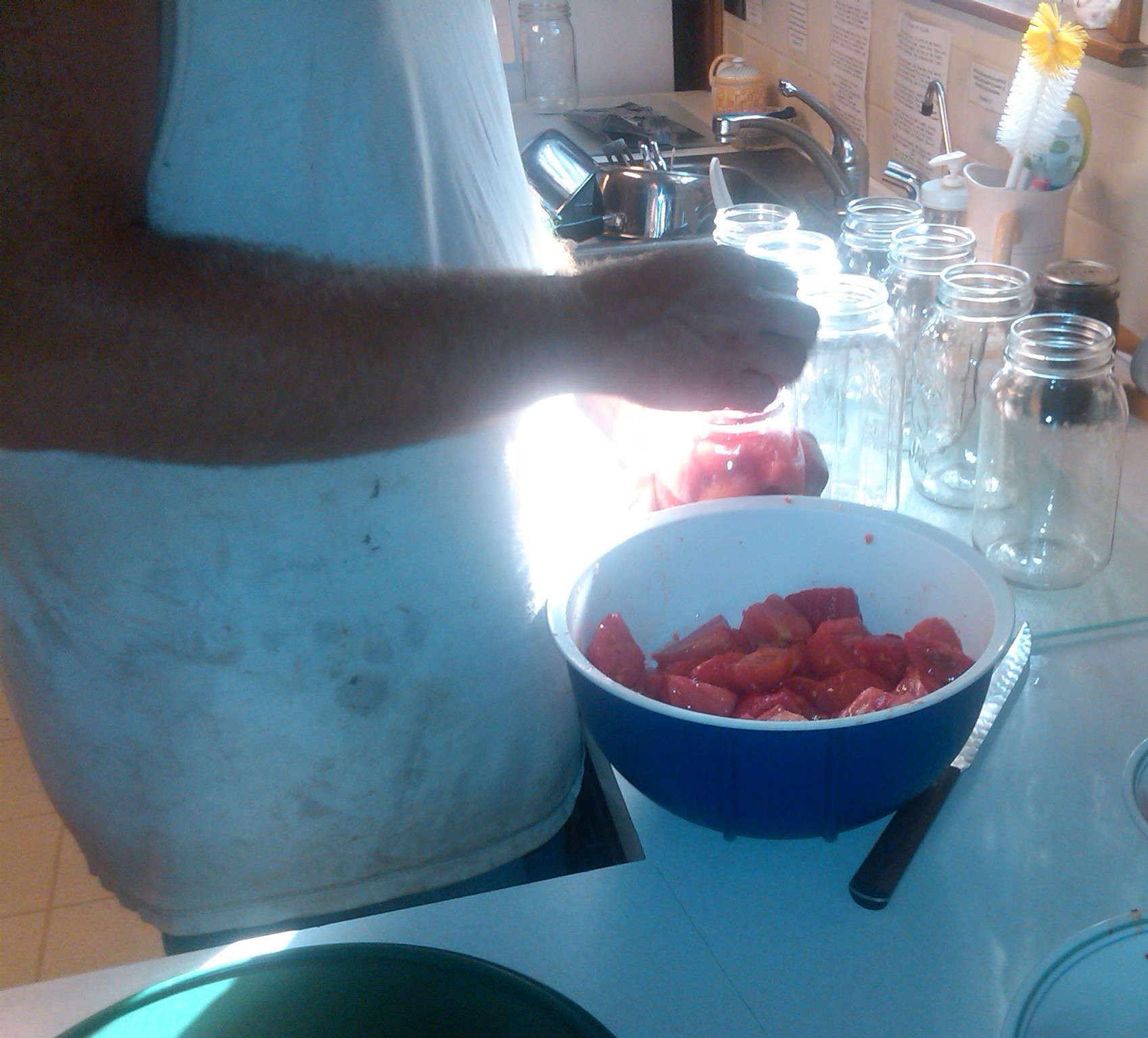
Mike is usually the “floater” and “jar-stufferer”. 🙂

IMG-20120804-01820

IMG-20120804-01821

IMG-20120804-01824

IMG-20120804-01823

IMG-20120804-01840

Last season we canned 48 quarts of whole tomatoes for our pantry and about half that for mom & dad next door. 🙂

IMG-20120804-01843

IMG-20120804-01844

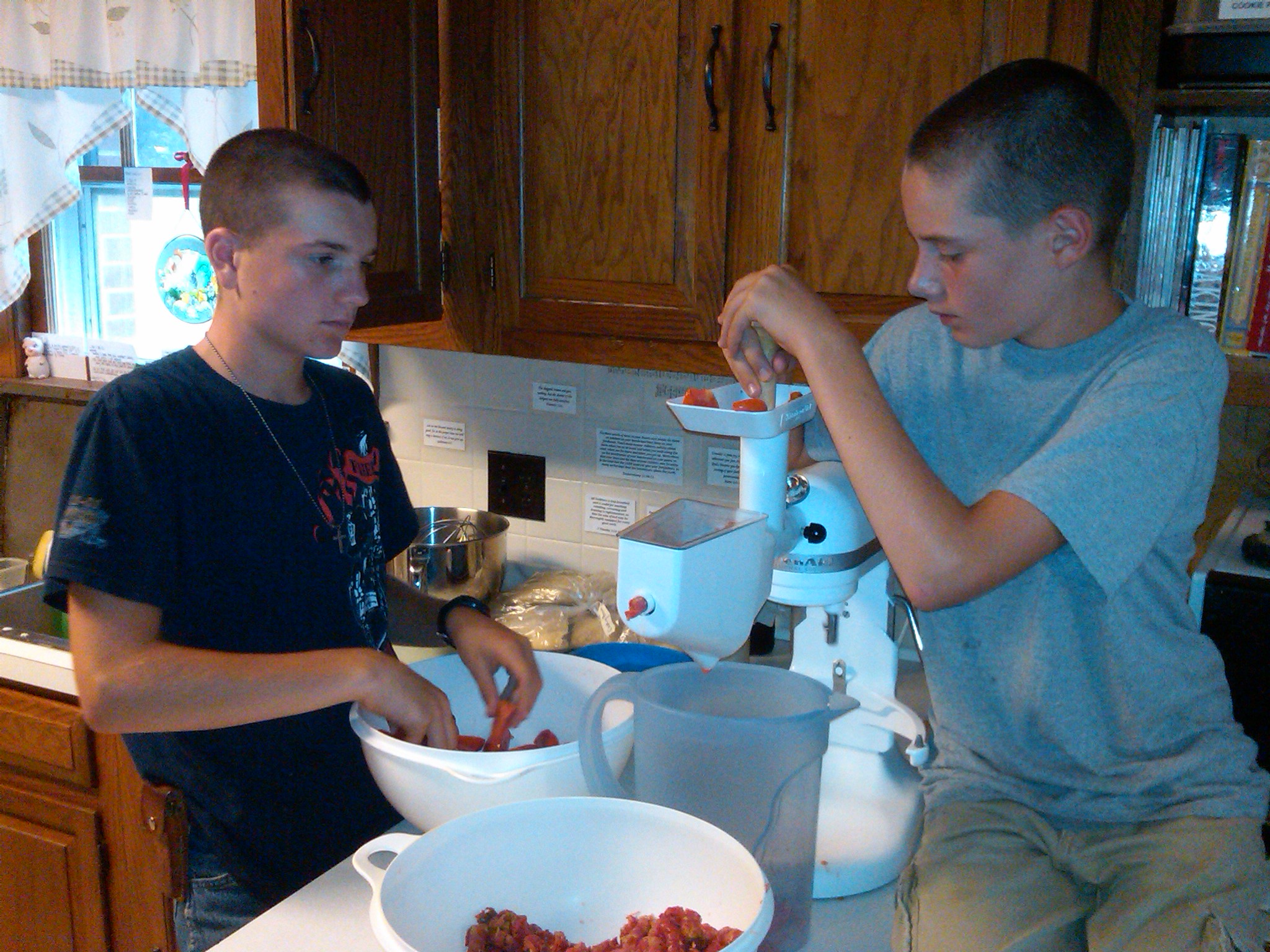
When we are making juice/sauce & our v(egetable)-8, we don’t remove the skins. Just chunk the veggies so they fit into the juice attachment for our mixer, and it separates the seeds/skins for us. This is another task the boys don’t mind doing. 🙂

Last season we canned 8 quarts of our v(egetable)-8 juice and 22 quarts of tomato juice for ourselves + some for next door.

IMG-20120827-02091

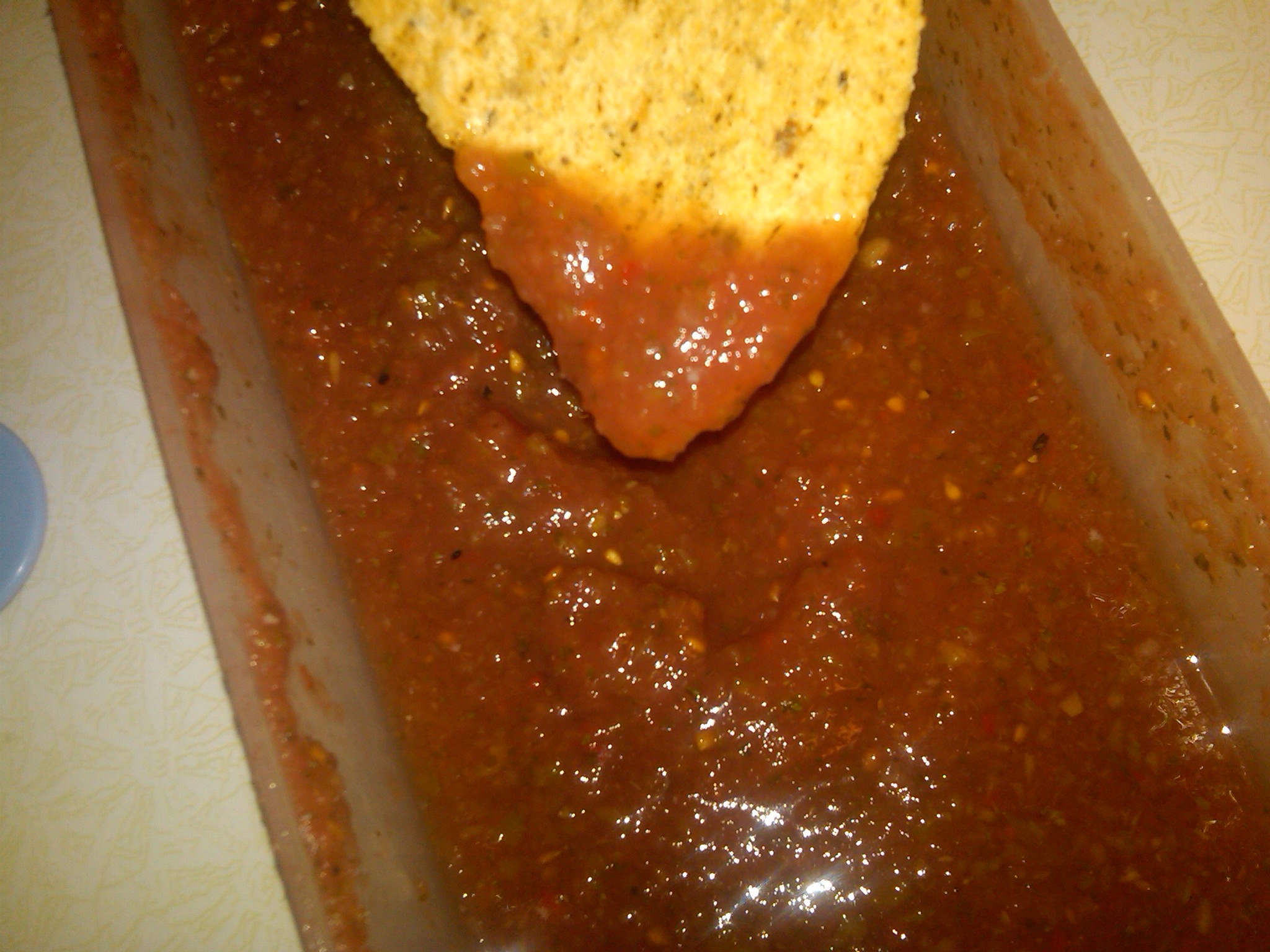
We also make several large batches of salsa & freeze it in 1 cup portions. Most of it gets devoured eaten fresh, but I think we managed to freeze 15 cups or so. 🙂

IMG-20120913-02237

Processing peppers

IMG-20120924-02333

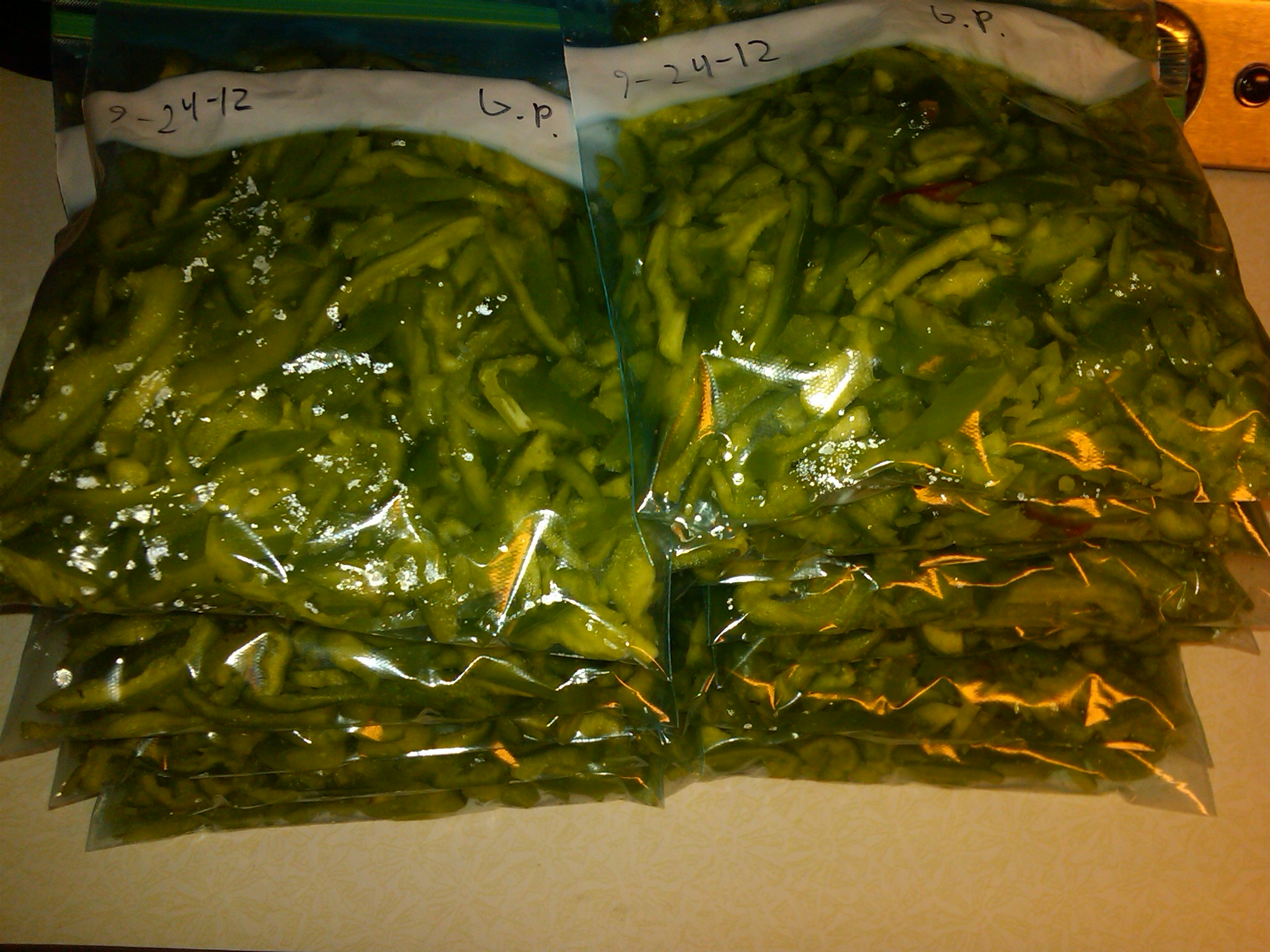
Figured I’d finally get some harvesting posts up since I couldn’t find the time to do it “live”.  As we get loads of green peppers, what I don’t eat raw (my favorite), we chop and freeze.  When we have large batches at once, after washing & removing the stem/seeds, we send chunks through the chopper blade of our food processor.  We freeze them in 2 cup and 4 cup freezer bags.

We have a stuffed pepper soup recipe that calls for 4 cups of chopped peppers, and we use 2 cups in our chili recipe – hence storing those sizes.  I think last year we froze enough that we could make 8 batches of our soup and another 8 batches of our chili.  We also like to make a bunch of barley-stuffed peppers which we freeze individually so we can just take out what we want.  I place them side-by-side in a covered container until fully frozen, and then stack them in gallon sized freezer bags.

IMG-20120802-01796

IMG-20120802-01795

That’s pretty much how we calculate what we need for a year… When it’s time to cook, I like to grab what I need in the size that I need – kinda like our very own grocery store, lol! It really works great for the type of lifestyle we live. Ideally, someday we’d like to use less plastic, but we are not there yet.  For now, being able to create a filling meal in a shorter amount of time is a higher priority. 🙂

IMG-20120924-02341

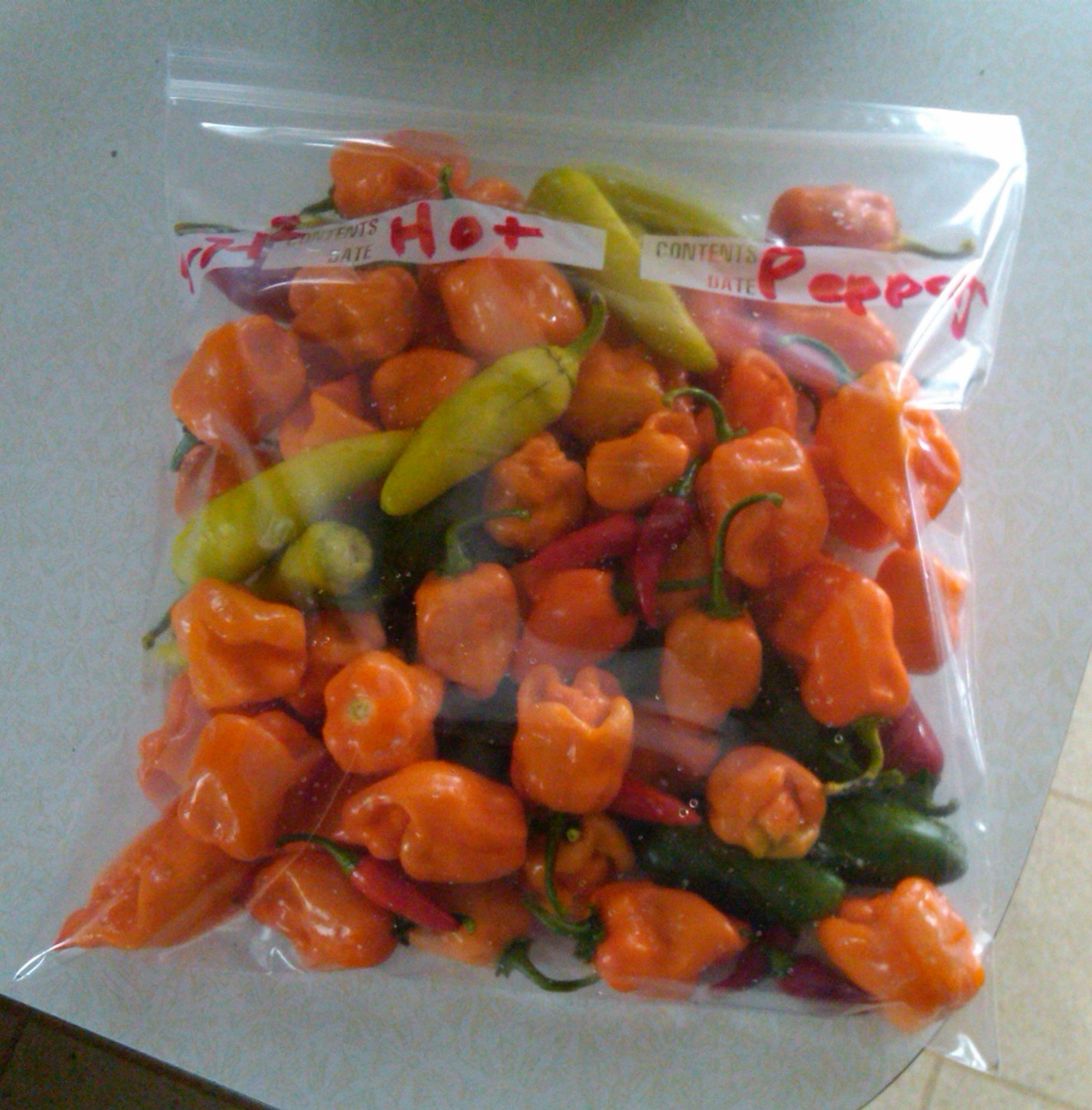
Many of our hot peppers, we just wash & freeze whole.  We like to throw a couple whole peppers into pots of “whatever”, just for flavor. We’ve learned to taste test while recipes simmer – because it doesn’t take too long for the “heat” to take over, lol…

IMG-20120907-02133

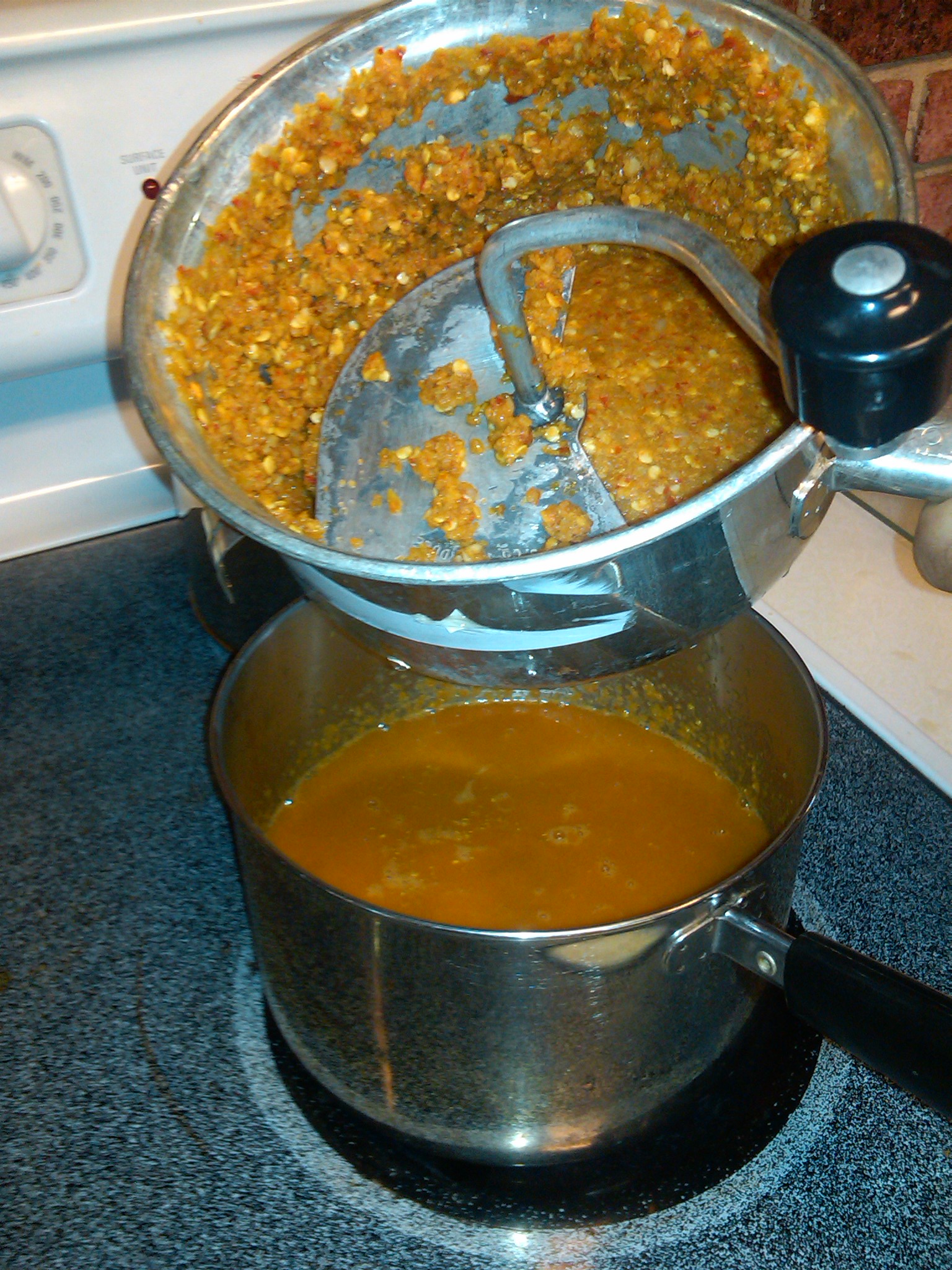
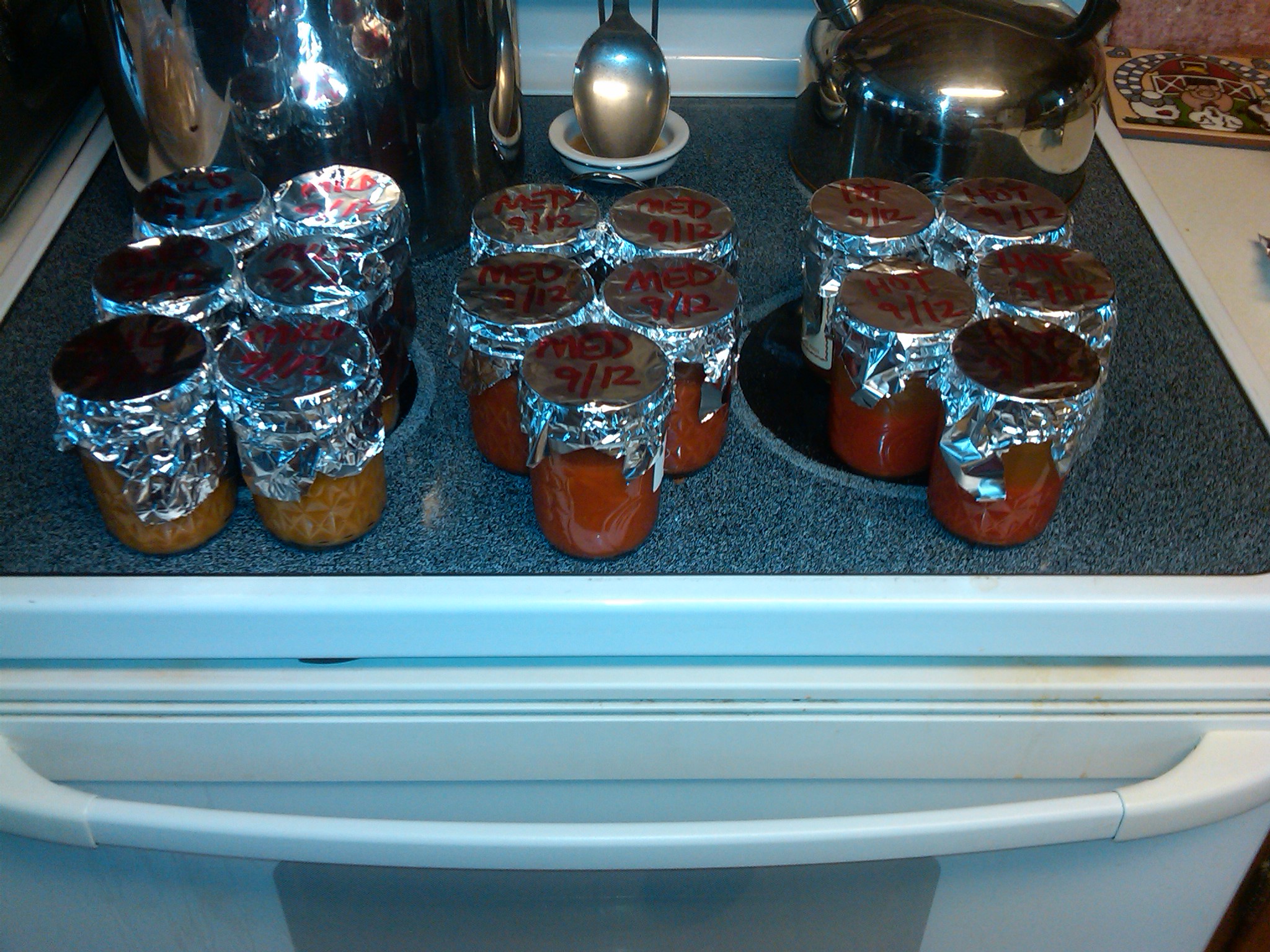
Every year, my 3 boys try to make their own hot sauce.  Found a recipe for a lacto-fermented hot sauce online, so they tried it last season.  They sorted their peppers by “hotness” and made 3 different batches.  They are still undecided if they really like it or not…(which in my opinion, means they must not like it, lol)

IMG-20120915-02258IMG-20120921-02298

IMG-20120922-02302

We froze the hot sauce in half pint jars, but didn’t have enough lids for them.  Used foil & set them into sandwhich ziplock baggies in an effort to NOT stink up our freezer, but that didn’t work.  Next season, we will have metal lids, lol. 🙂

IMG-20120921-02300

Even this?

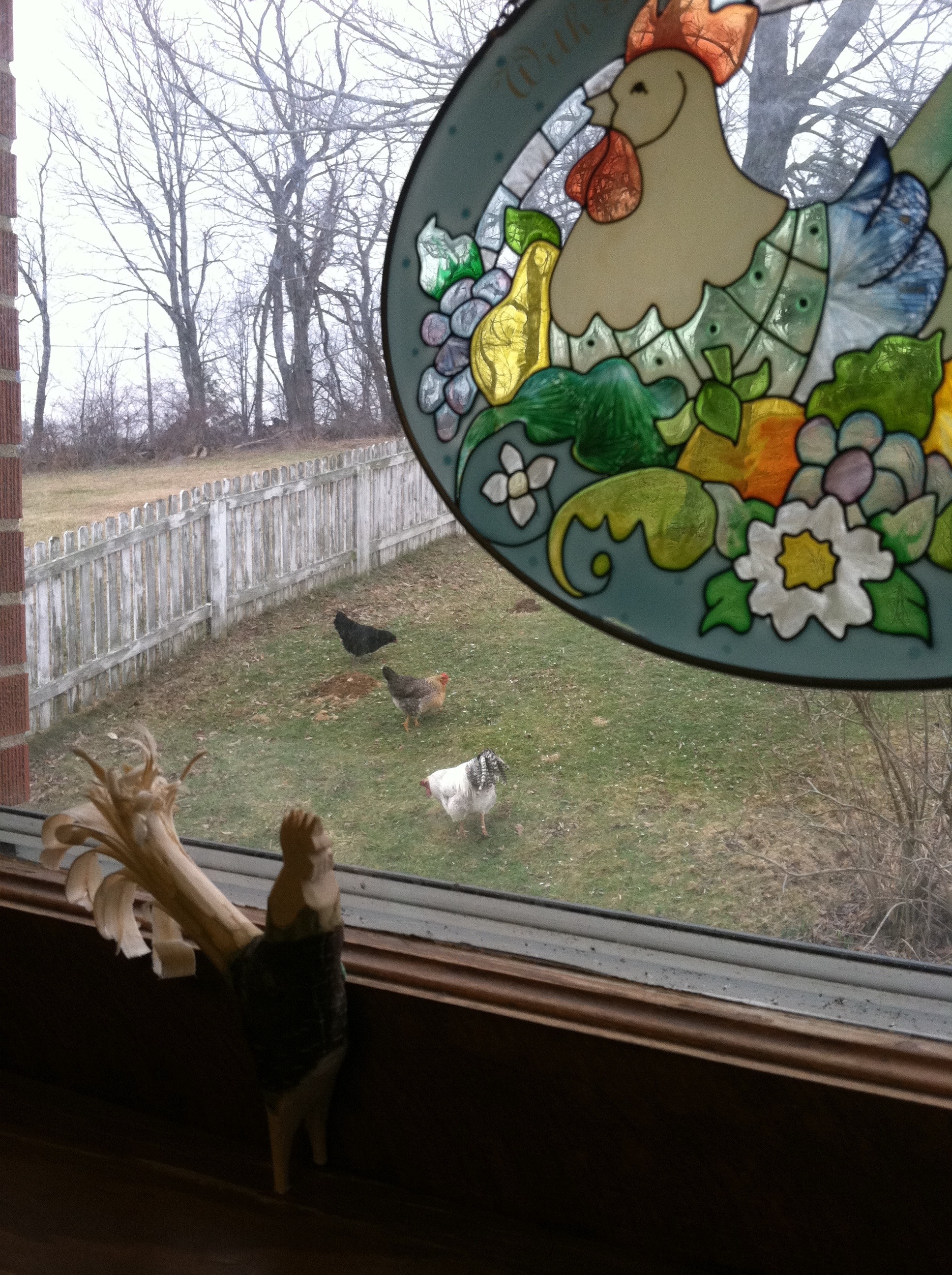
Funny story. As I was washing the umpteenth sinkful of dishes yesterday, I saw this:

20130215-110113.jpg

First, I admired how pretty our tiny flock of chickens was: 2 hens + 1 rooster. I love their colors, that they are descendants from one of our original roosters, that our friends hatched them, and that they gave them to us to raise.

Then I thought it was cute that my view of them in that moment from the kitchen sink also included a hand-carved twig rooster that Mike made, and my chicken suncatcher…

Then I thought how funny it was that here I am admiring chickens, both real & decorative, when I have a fear of the flapping wings of birds… Through glass, I can admire live ones, just don’t ask me to catch/touch one, lol…

Then I thought of how much I enjoy watching these birds free-ranging in our yard. Being thankful the snow was gone so I could watch them forage… and see them with a green backdrop, instead of a white one.

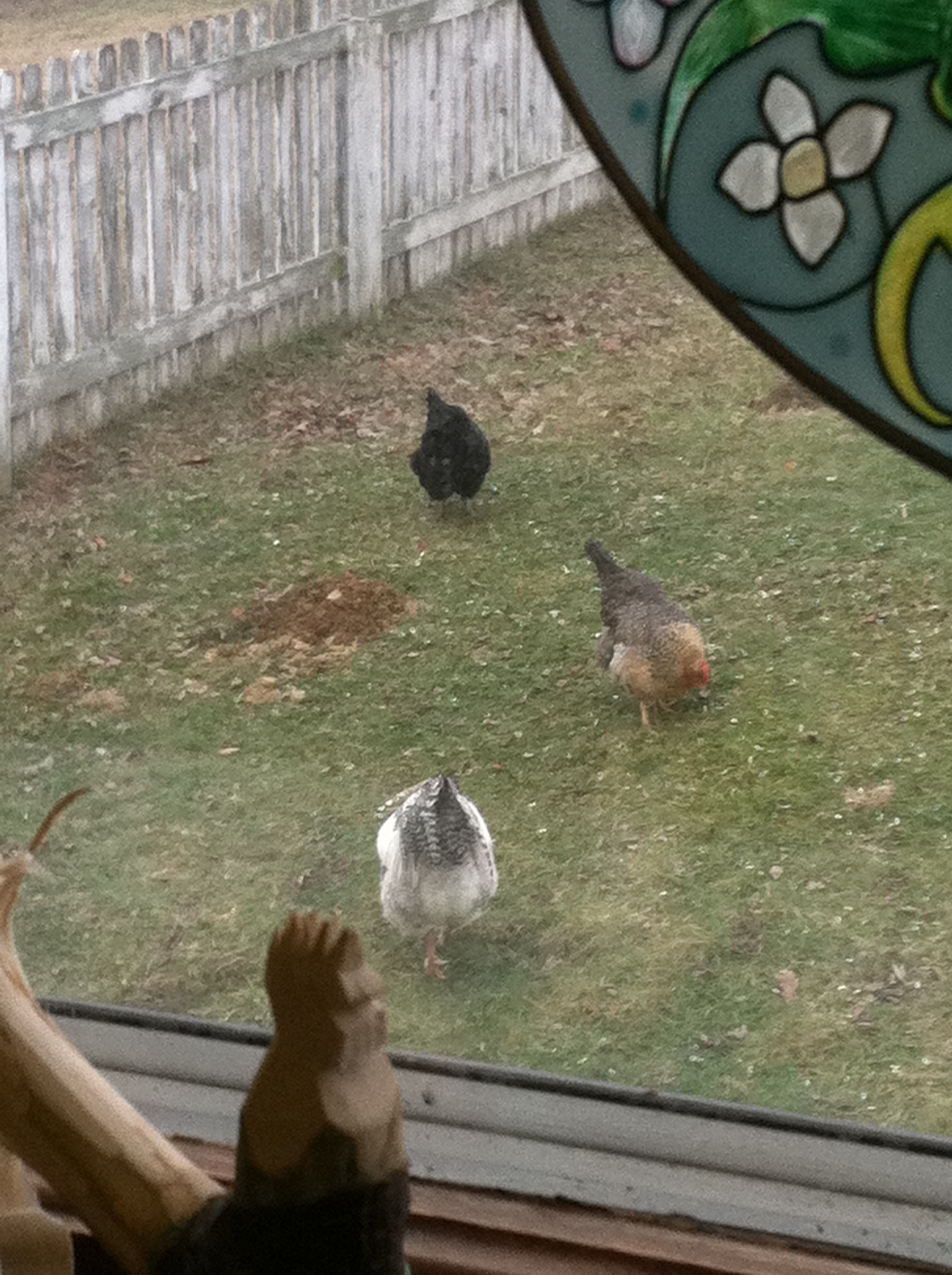
Let’s zoom in a bit now:

20130215-112444.jpg

Then I remembered what the boys told me just a few days before – about those light-colored flecks you see in the grass… No, those weren’t bits of unfrozen snow or small leaves like I so naively believed, lol. I was informed these flecks were left from flocks of starlings that have been landing in our yard. Yeah. That’s right. Bird poop. Yuck. Starting to ruin my moment of admiration here…

And then I couldn’t help but LAUGH! Wasn’t I just complaining about how our 2 hens have stopped laying eggs for us?

You know, I’m not too upset they aren’t making eggs right now, considering their current food choice, lol. But I am thankful for all the friends we have who surprise us with fresh eggs… ‘Cause, surely, their birds don’t eat stuff like ours, right? Ha! 🙂

Oh Lord, You never cease to amaze me. Thanks for showing me how to be thankful in all things, even this… Amen.

A podcast – oh my…

Last week, the boys & I had fun recording a podcast with Brian & Susy for “Cultivate Simple”. Enjoyed talking with them about our dairying journey, for Episode 18: The Family Cow. It has been a blessing to get to know them over the past 6 years, and sure do appreciate being able to glean from the research they do & so willingly share.

Must say, it’s WEIRD hearing your own voice over the airwaves, lol.

Click here to go to their site & download the podcast from there.

Or you can click here to find Cultivate Simple on iTunes & download it from there. (Hopefully this link will work – I’m not 100% sure I did it correctly…)

20130211-080251.jpg

20130211-080432.jpg

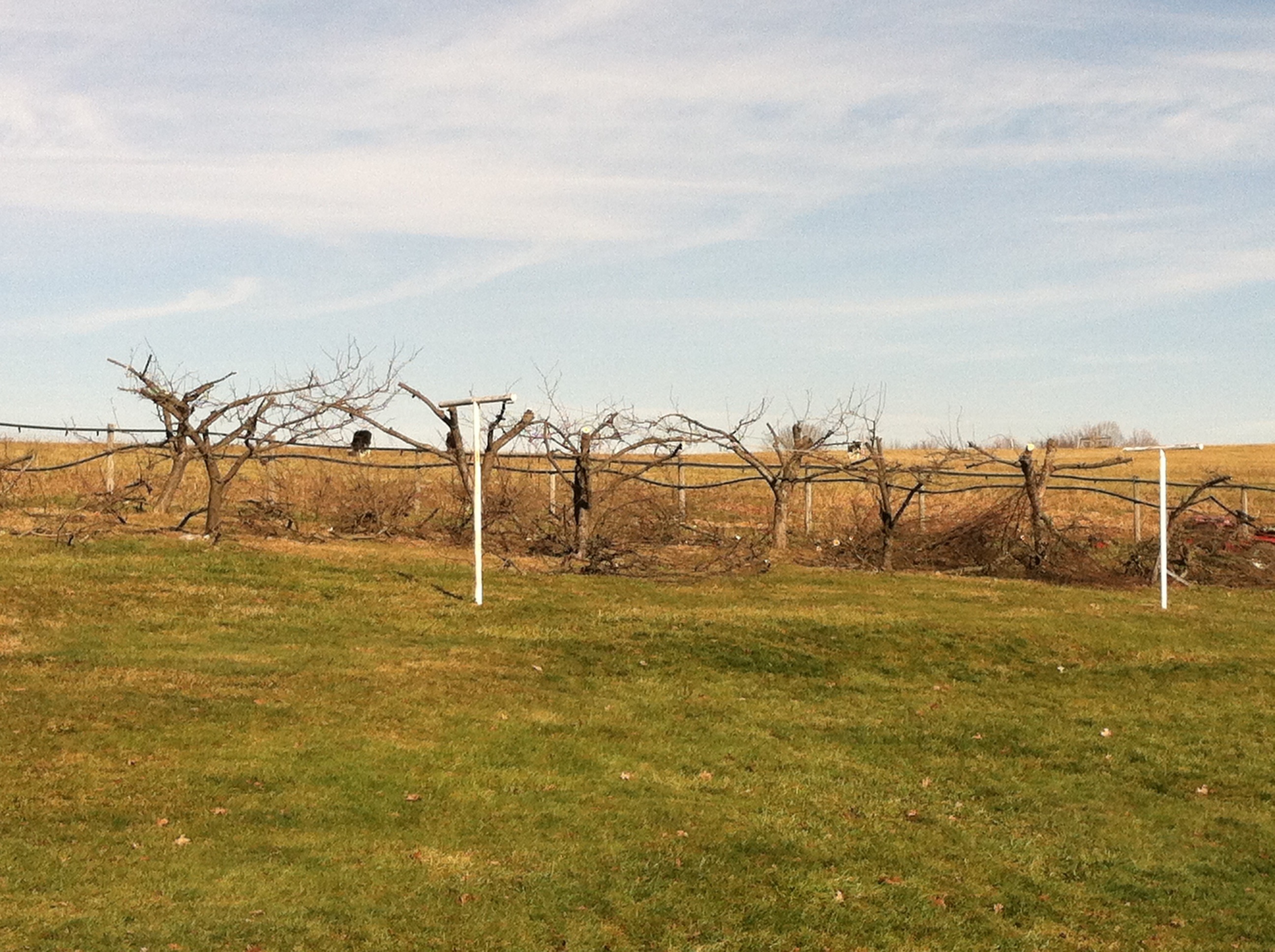
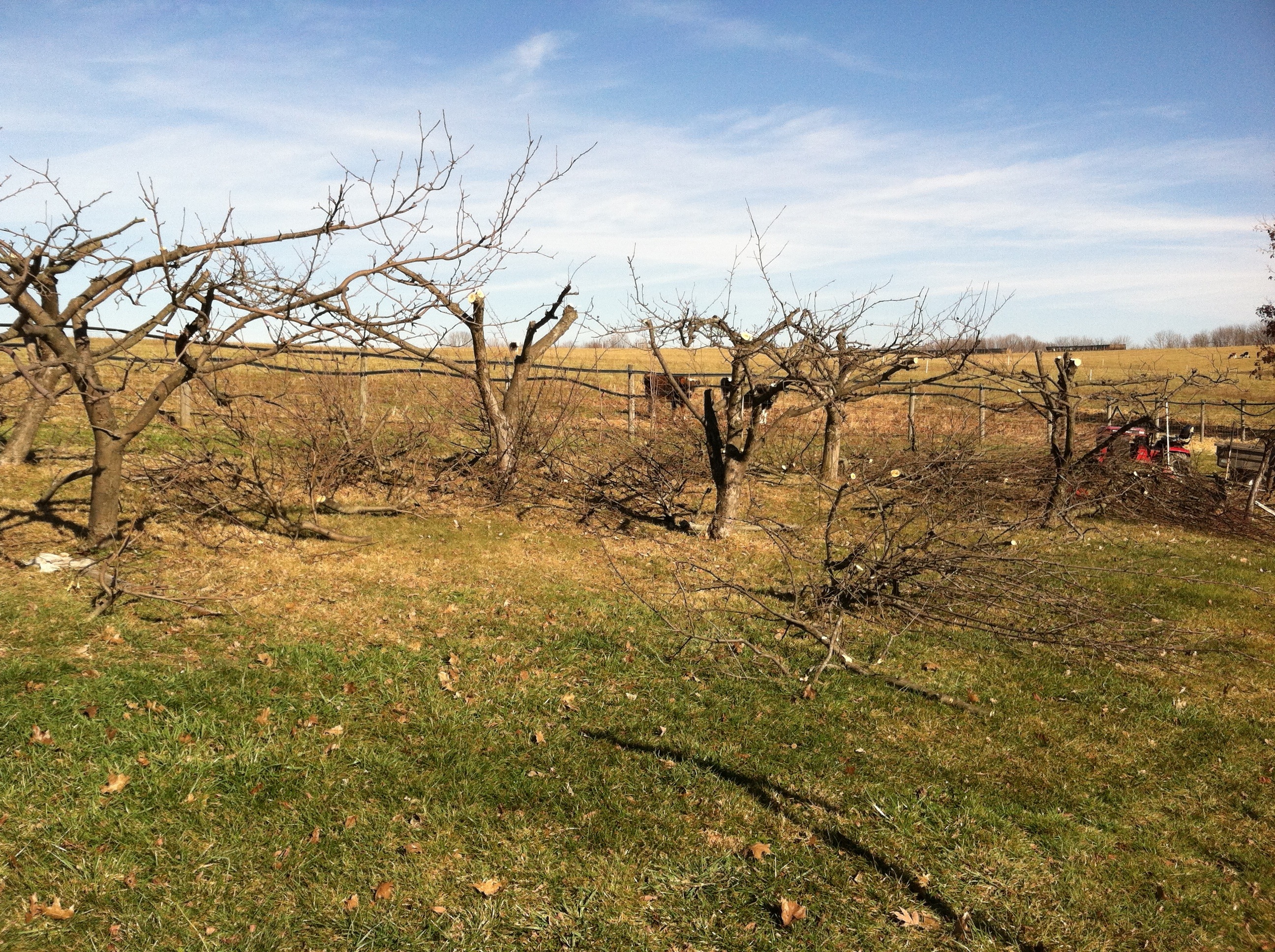
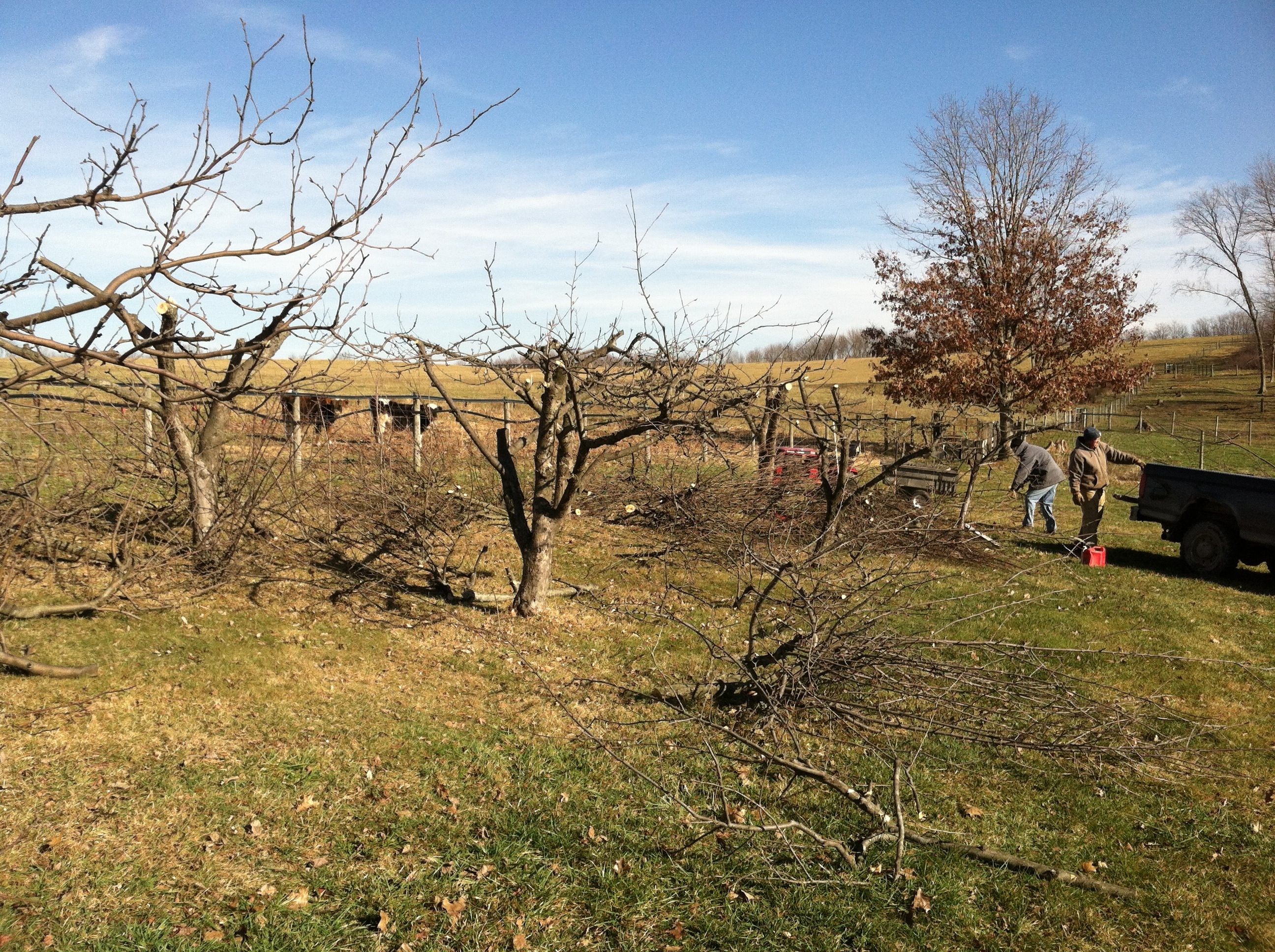
Apple trees – major trim Jan 2013

Last week, Mike began our first attempt to take care of the 25+ year old apple trees in our back yard.

Funny how our opinion of this tiny orchard has changed over the years!

Mike’s parents have been taking care of them before now – and honestly, I really didn’t like them – I saw them as old, ugly trees…

BUT NOW, lol – we have a new appreciation for the trees because of what their fruit can provide for our family, namely applesauce and the thought of our very own raw apple cider vinegar… (Until then, we hope to try some of Alander’s Acres’ ACV!) 🙂

So, herein begins our journey with these trees. If they survive this major trim, we’ll be on to the next step. No doubt, future posts will follow… 🙂

20130124-224917.jpg

20130124-224959.jpg

20130124-225030.jpg

20130124-225132.jpg