Traits from “dad”, Cleatus

20130317-144724.jpg

20130317-144922.jpg

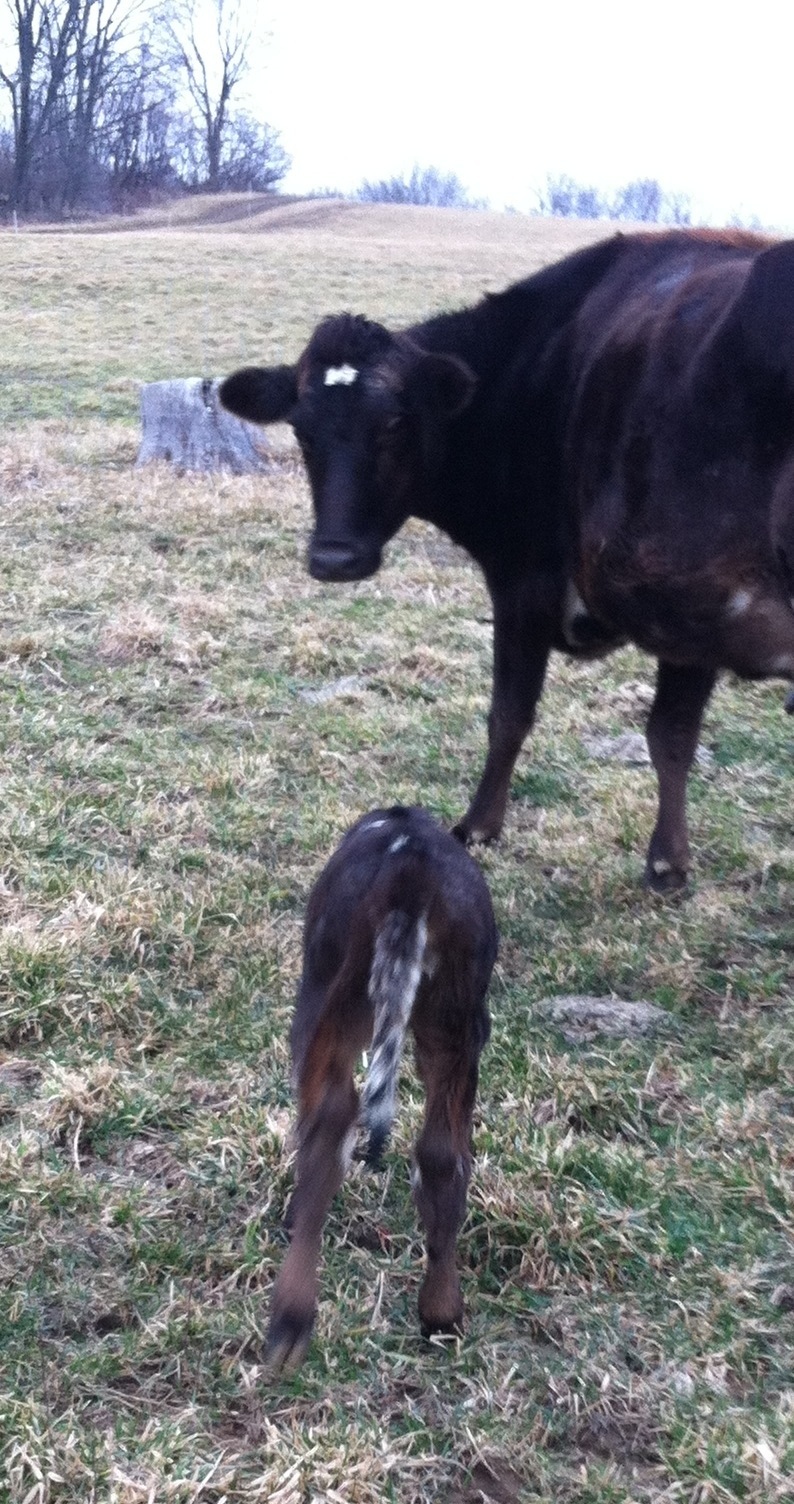
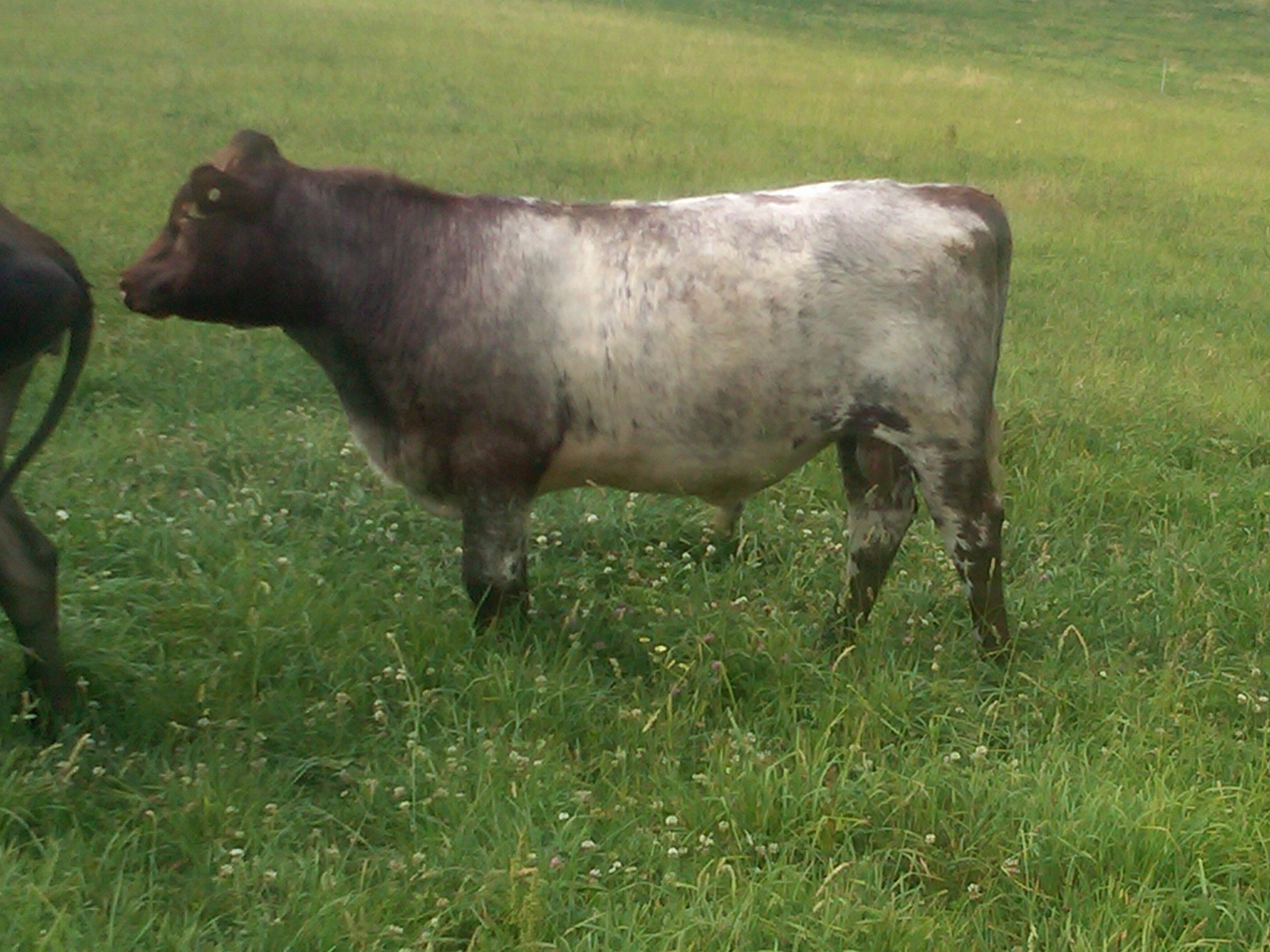
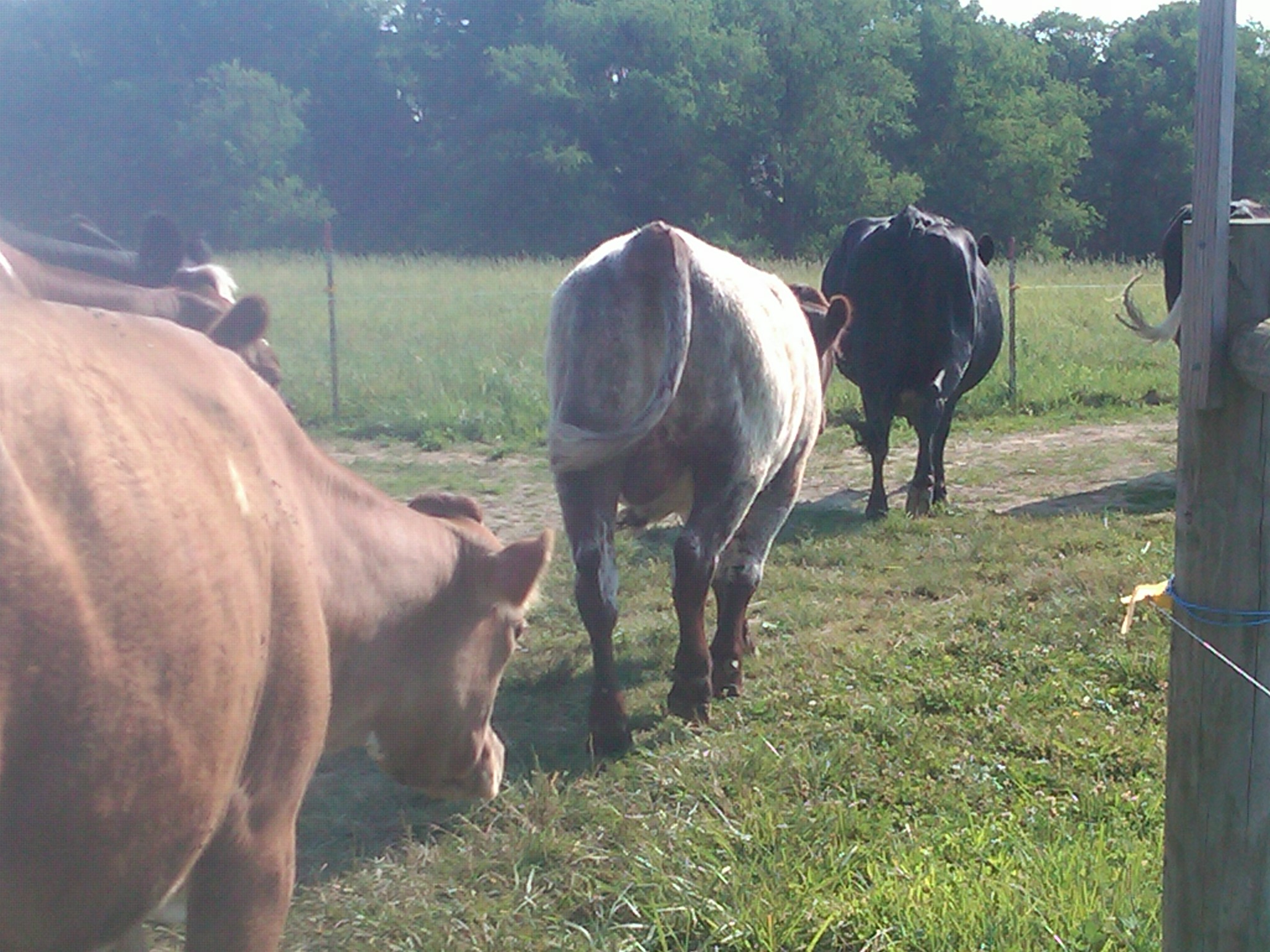
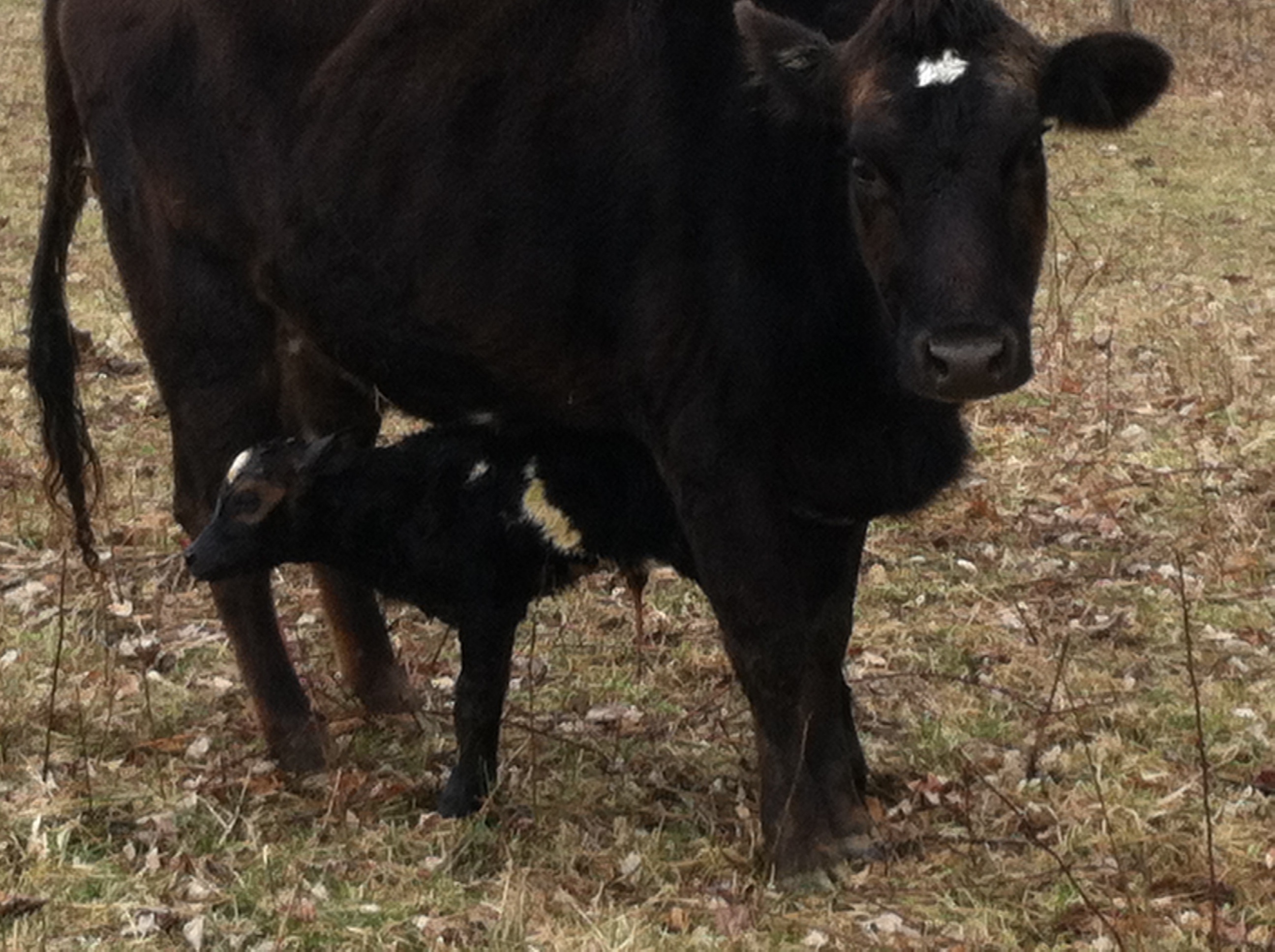
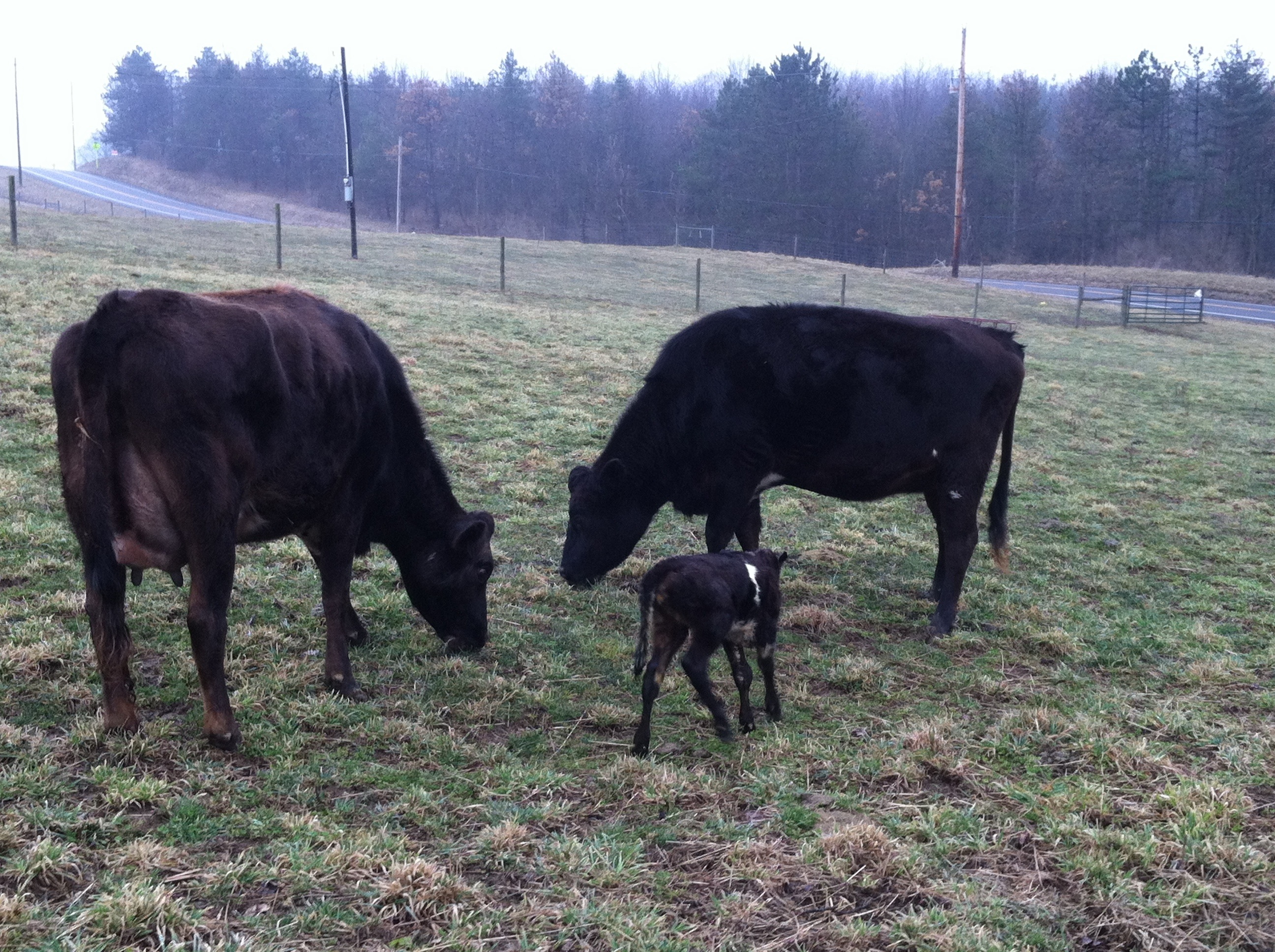
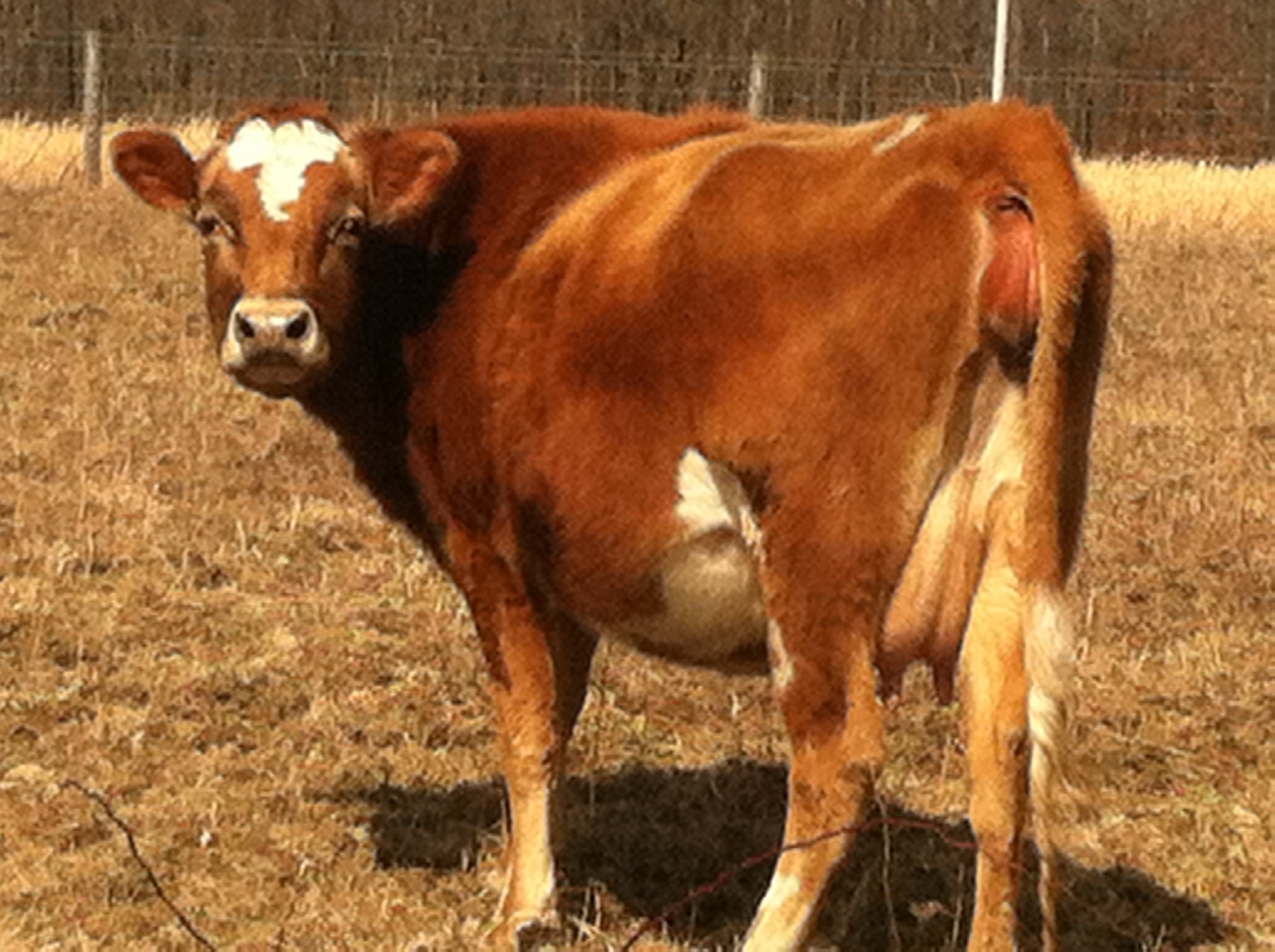
We are excited about seeing some neat colors/color patterns in our calves this year.  In an effort to breed more “beefiness” into our herd, we purchased a shorthorn bull, Cleatus, last year.  This is our first round of calves from him.  Thought it was cool to see his influence on Cuke’s tail.  Now that she’s all cleaned up, we can see a neat variation of colors on her coat.  Can’t wait to see the rest!  🙂

Here are some pics of Cleatus from last summer that I never had a chance to post.

IMG-20120618-01338

IMG-20120616-01321

WELCOME – 1st calf 2013

AND AWAY WE GO… Mike went up to do the calf check this morning & saw PeaPod off by herself. Her official due date was for NEXT Saturday, but, all indications were that she was most likely gonna have one TODAY. And right he was…

Went back up to the field about 6 hours later, and here’s what we saw…

20130316-185756.jpg

As we got closer, we could tell the calf had just been born – getting its first bath…

20130316-190146.jpg

It’s a GIRL!! Her name is Cuke. 🙂

20130316-190314.jpg

20130316-190504.jpg

20130316-194132.jpg

We were hoping we’d have all next week to be more prepared, but apparently the Lord thinks we are ready enough, lol.

Mike worked on putting the runway fence back up, and had some help from his brother and Paul.

20130316-201815.jpg

20130316-201614.jpg

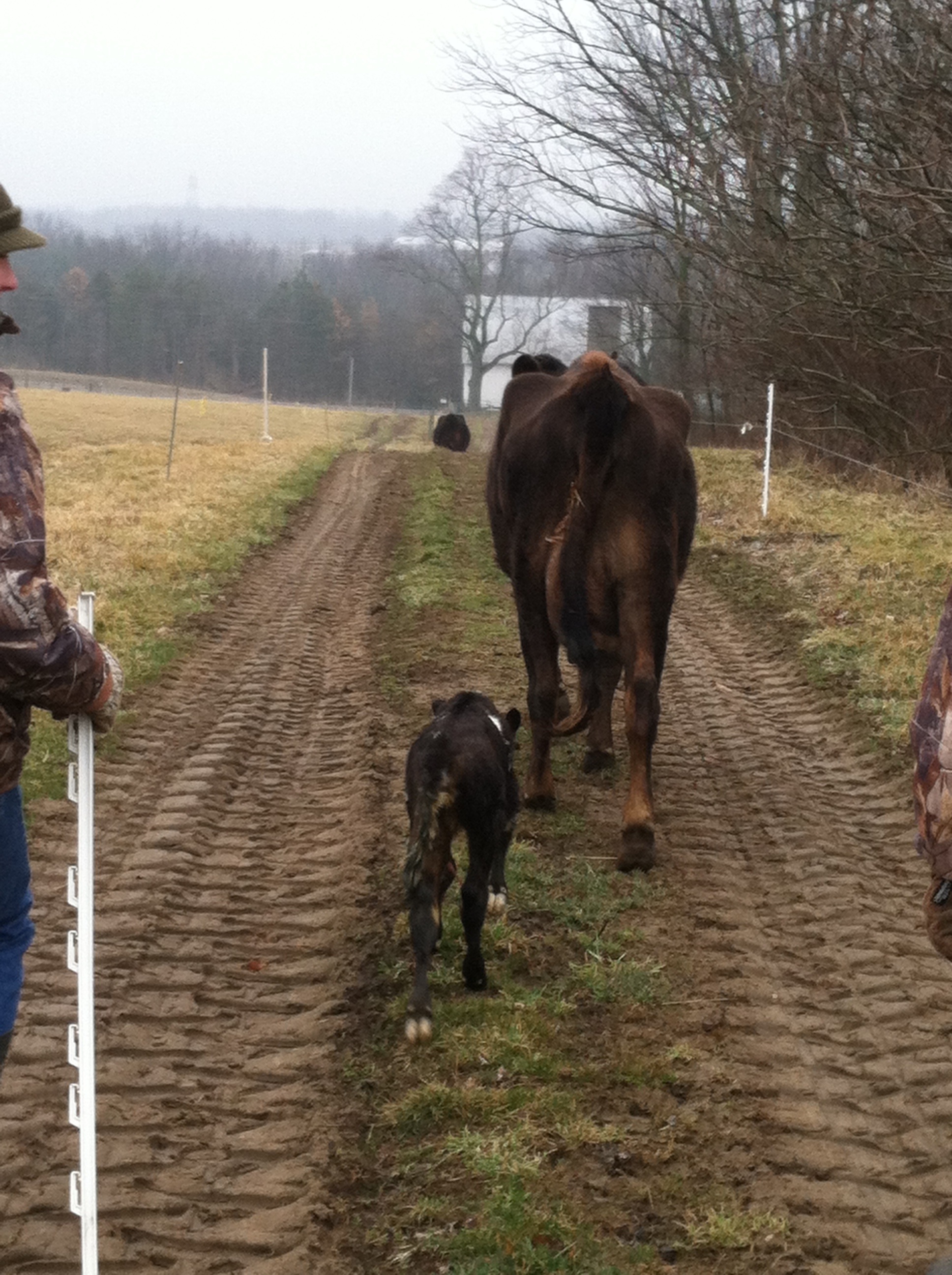
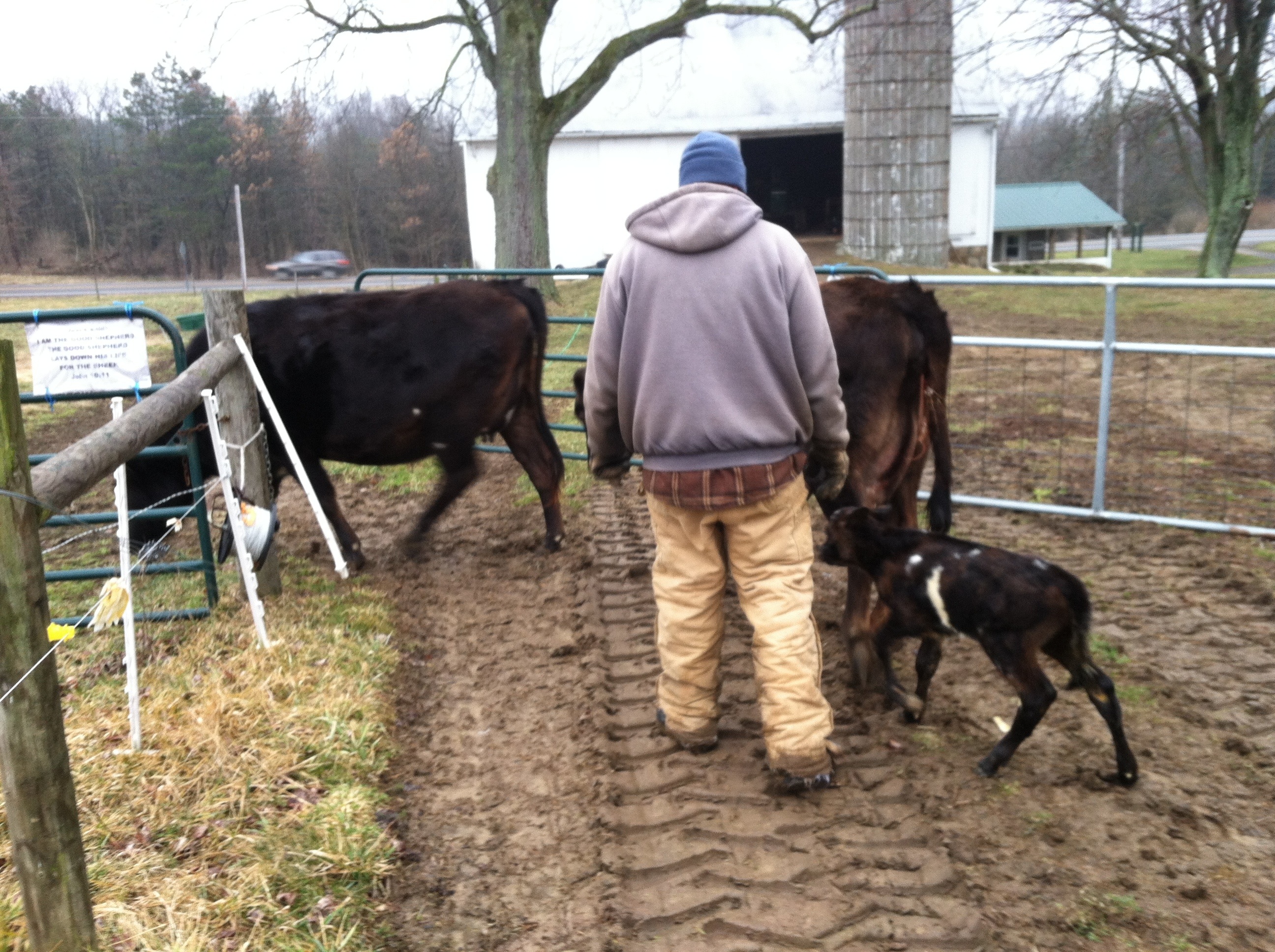
By the time we were ready to bring them down to the barn, Little Cuke had a nice fat tummy, and had plenty of energy to make the long walk down to the barn. 🙂

20130316-203735.jpg

20130316-210828.jpg

Cuke’s Aunt Pepper joined in the parade down to the barn. Her baby is due any day now, too. 🙂

20130316-212610.jpg

20130316-214058.jpg

20130316-214419.jpg

Pantry peek

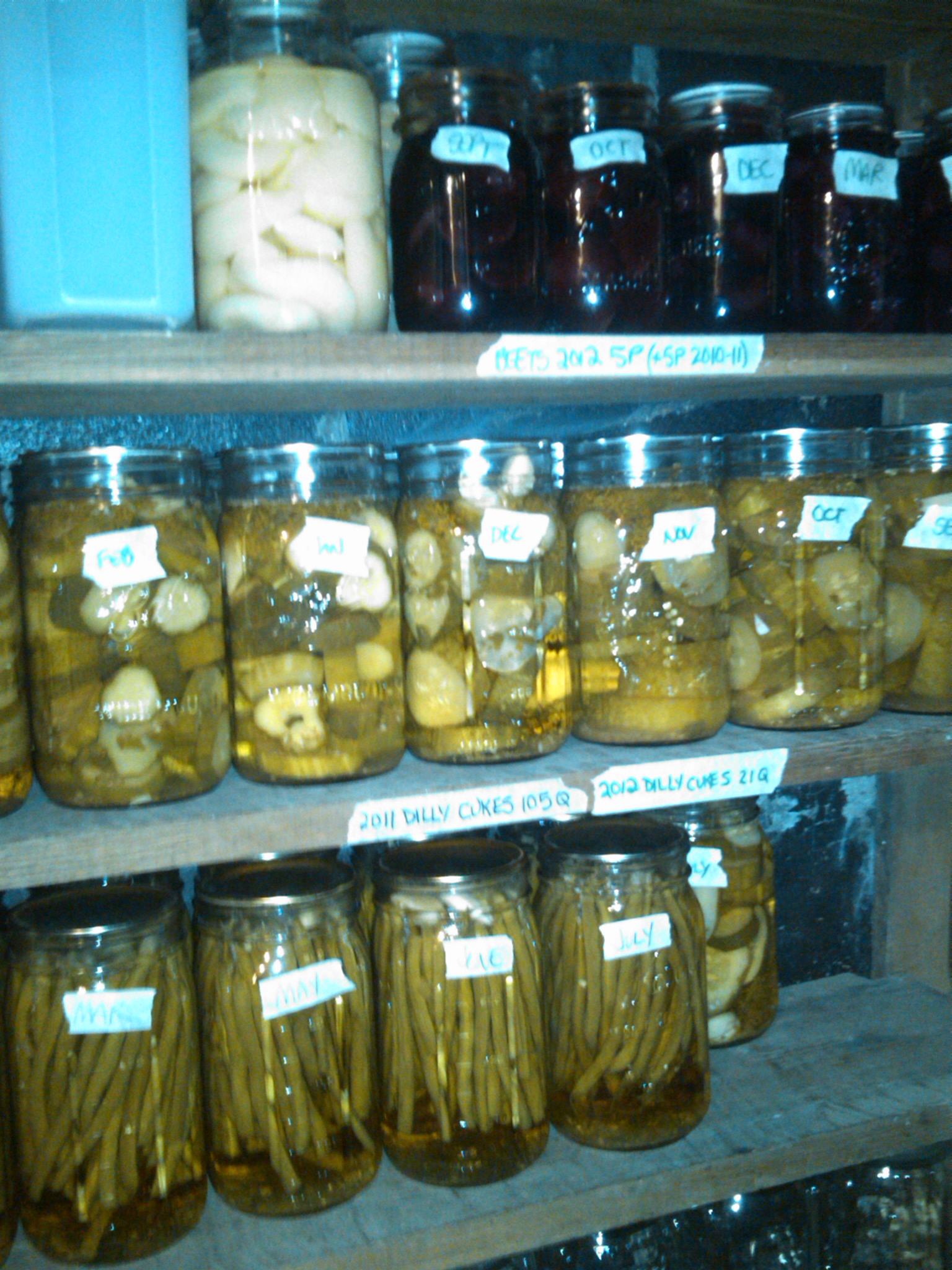
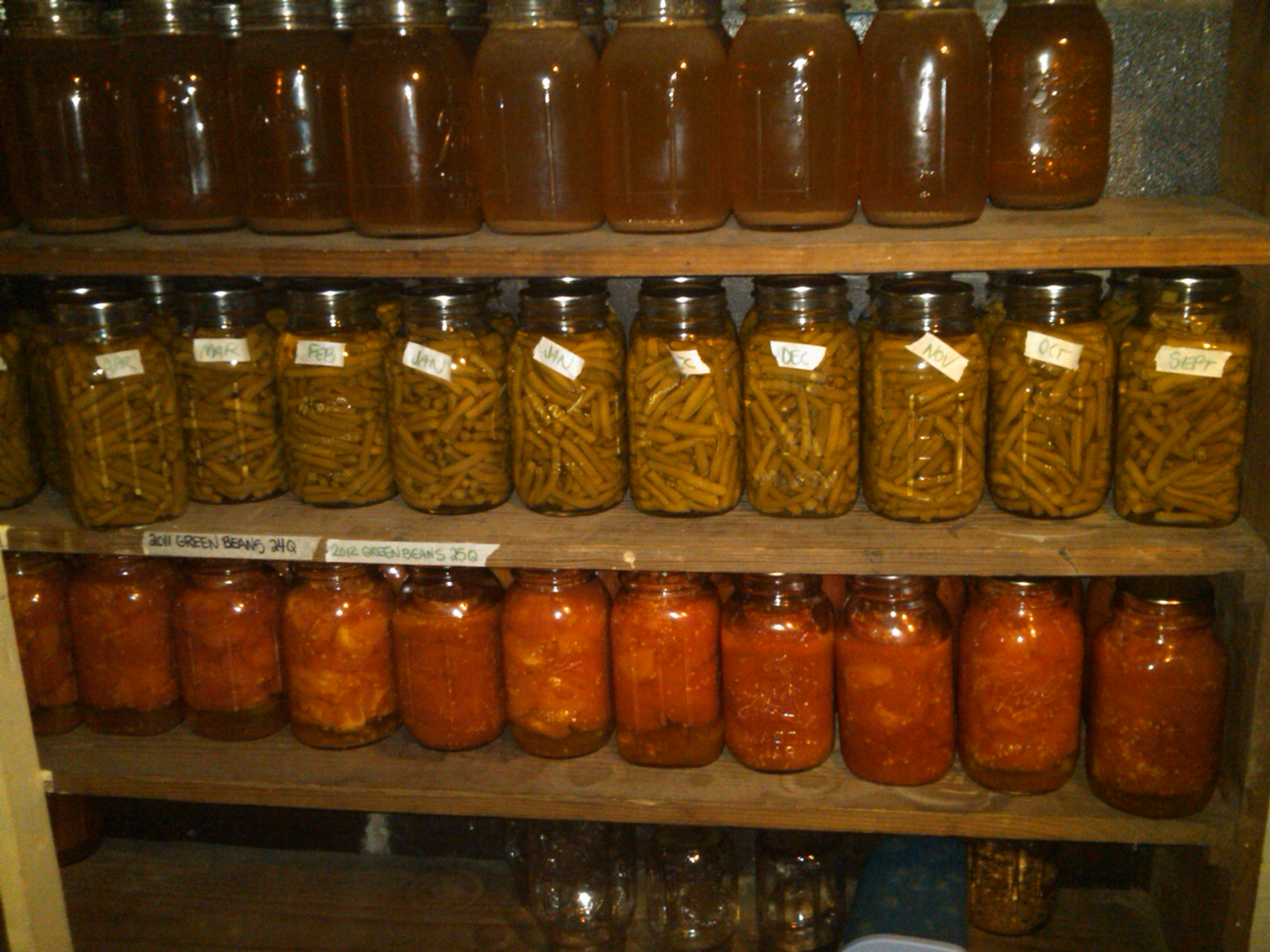
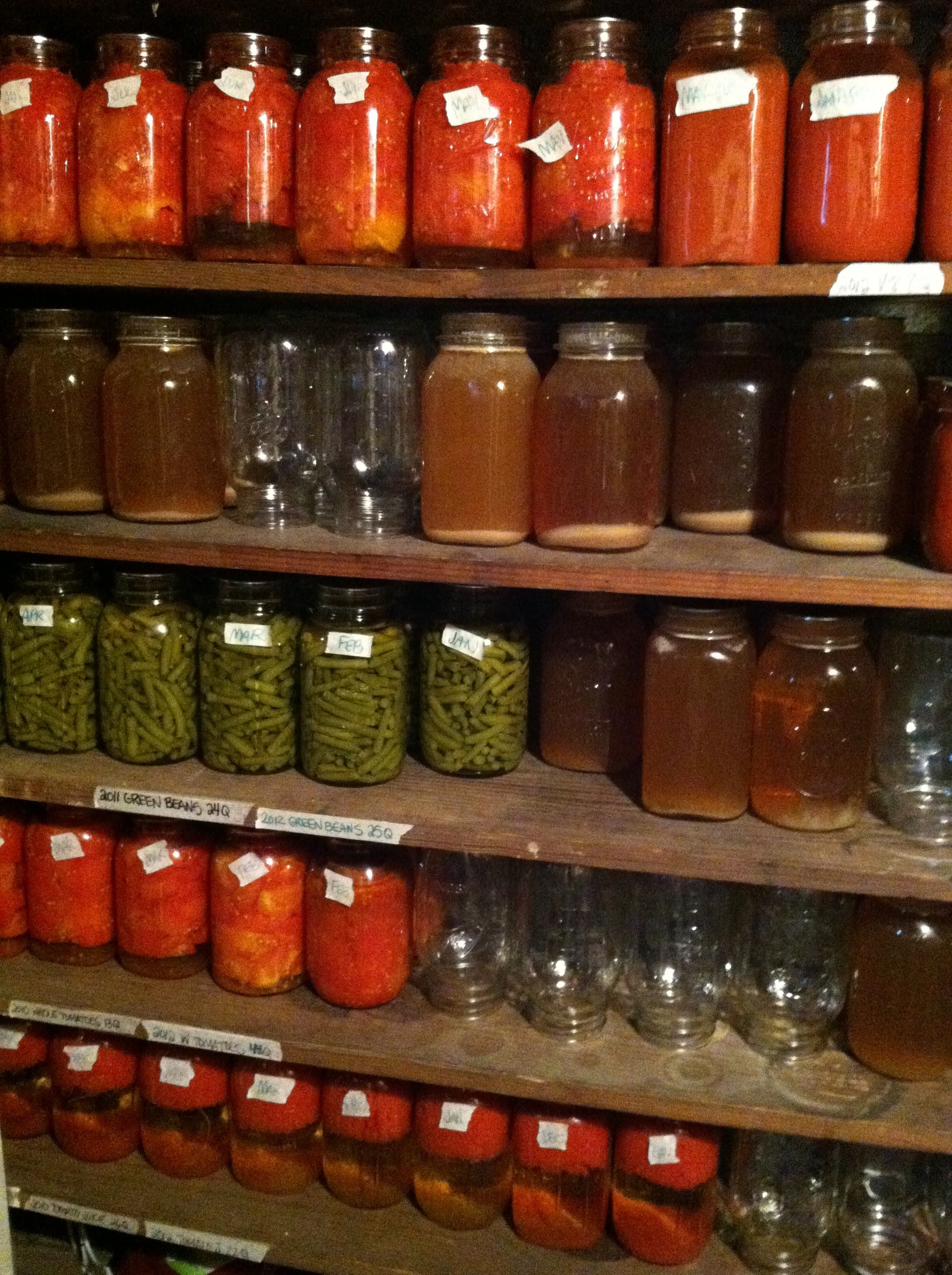
We take our harvests and try to stretch it to feed us for one year. Rather than work to a certain “number”, we take whatever our harvest is & divide it by 12. Saves us a lot of stress – that fear of “not having enough”… It encourages us to be more content with what we have and plan our meals accordingly. 🙂

I do keep a record of each year’s total on the pantry shelves with a piece of masking tape – just so I have a ballpark idea of what we had the previous couple of years. Helps with knowing how many canning supplies I should invest in for the next season, too. And quite honestly, once we finish processing, I stop thinking about it & my brain can’t recall those numbers when someone asks. (This blog is actually helping to document tallies as well…) 🙂

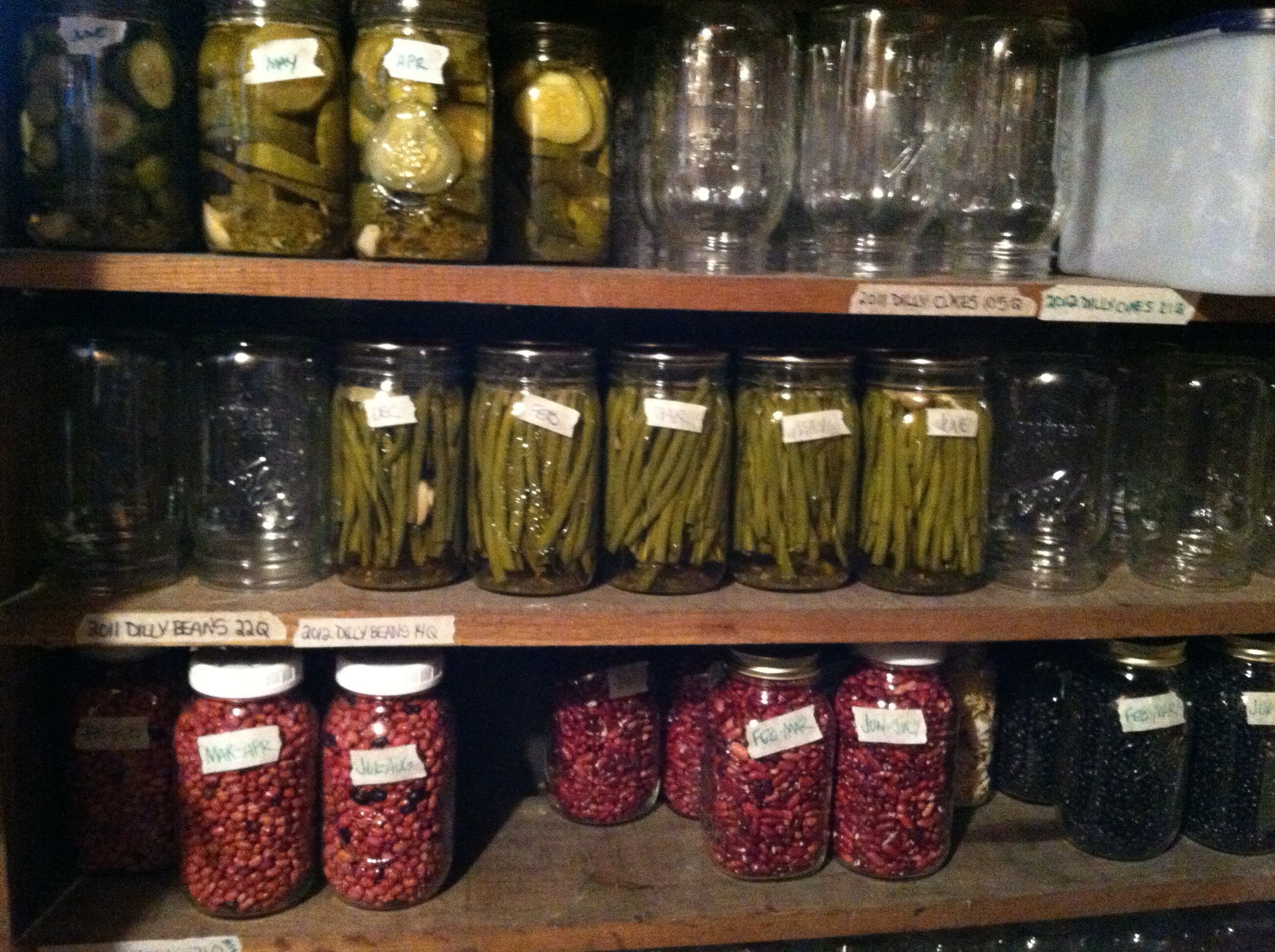
Once the monthly breakdown is calculated, I mark each jar with the month it can be used in. It helps me to see at a glance what items I have “available” to use & plan our meals accordingly. Since we all cook here, it allows the current chef to assess his options from our pantry “grocery store”… And it keeps my boys from eating 22 quarts of dilly beans in 2 months, lol! 🙂

IMG-20120823-02042

IMG-20120823-02040

20130228-173201.jpg

20130228-173658.jpg

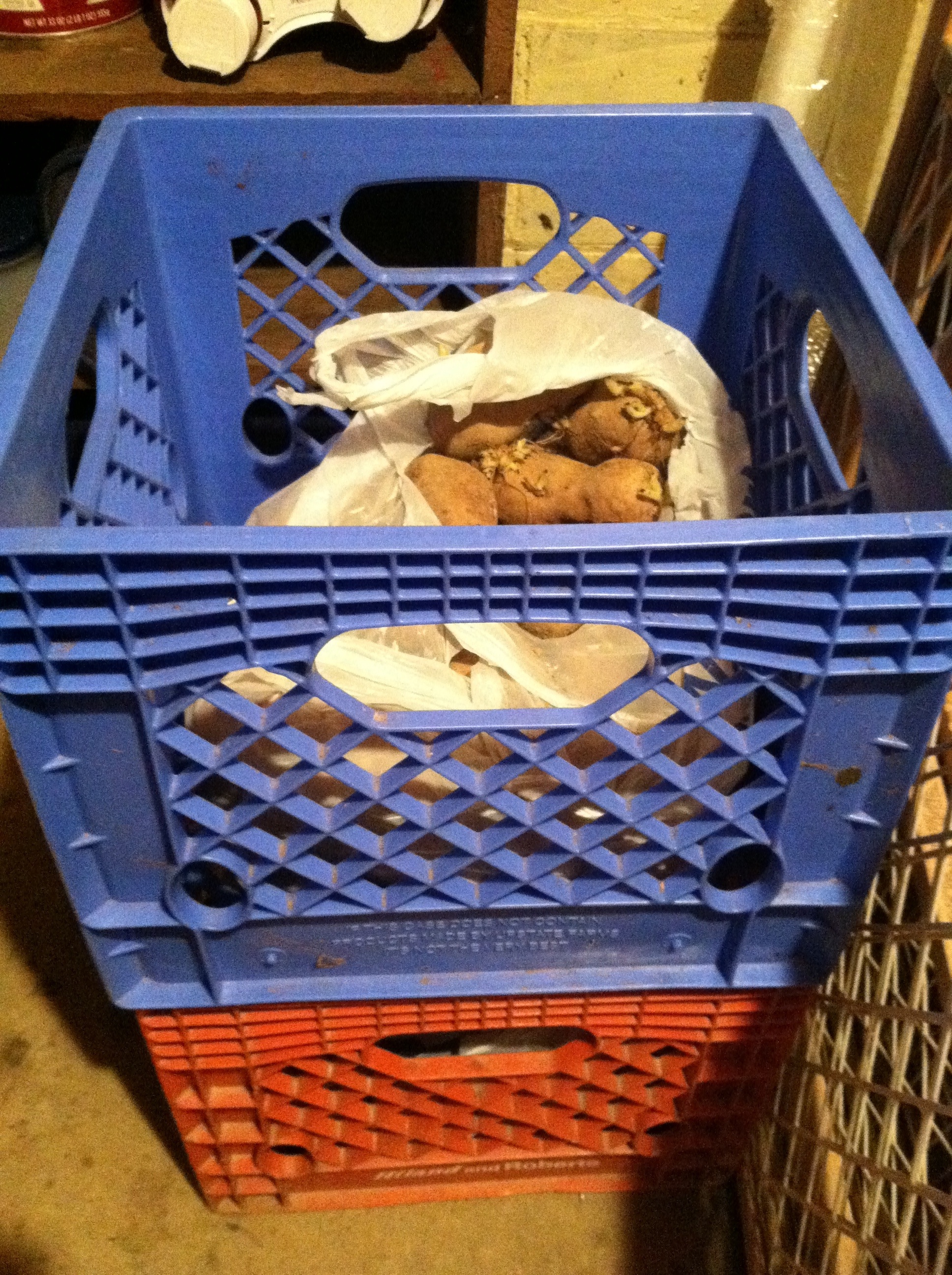
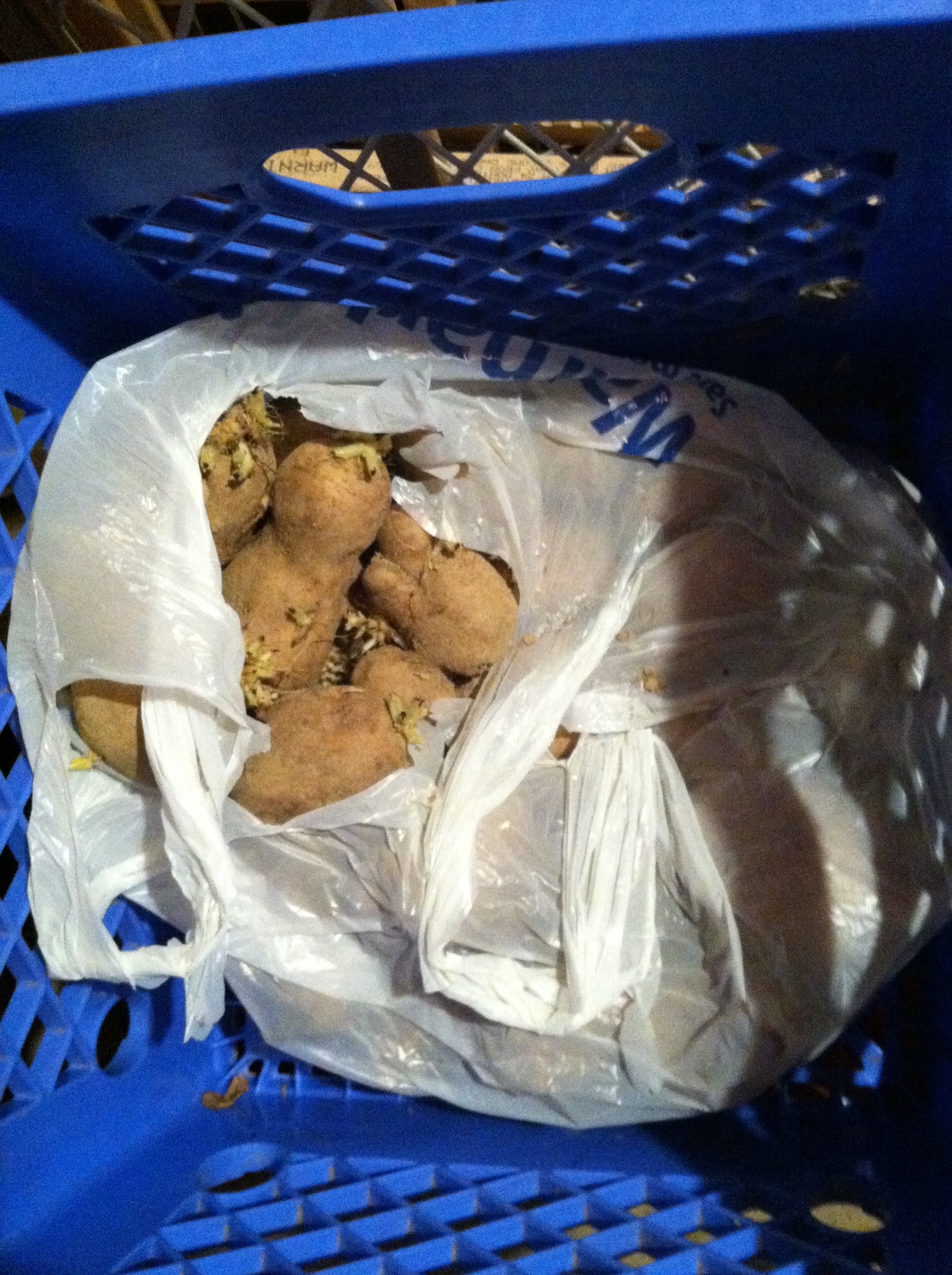
I have yet to remember to weigh our potato harvests. While the kennebec potatoes we grow don’t last us a full year, we can usually go 6 months or so. Last season we started with 3 milk-crates of taters, and are now into our last crate. They are sprouting, but not soft.

20130228-180301.jpg

20130228-181111.jpg

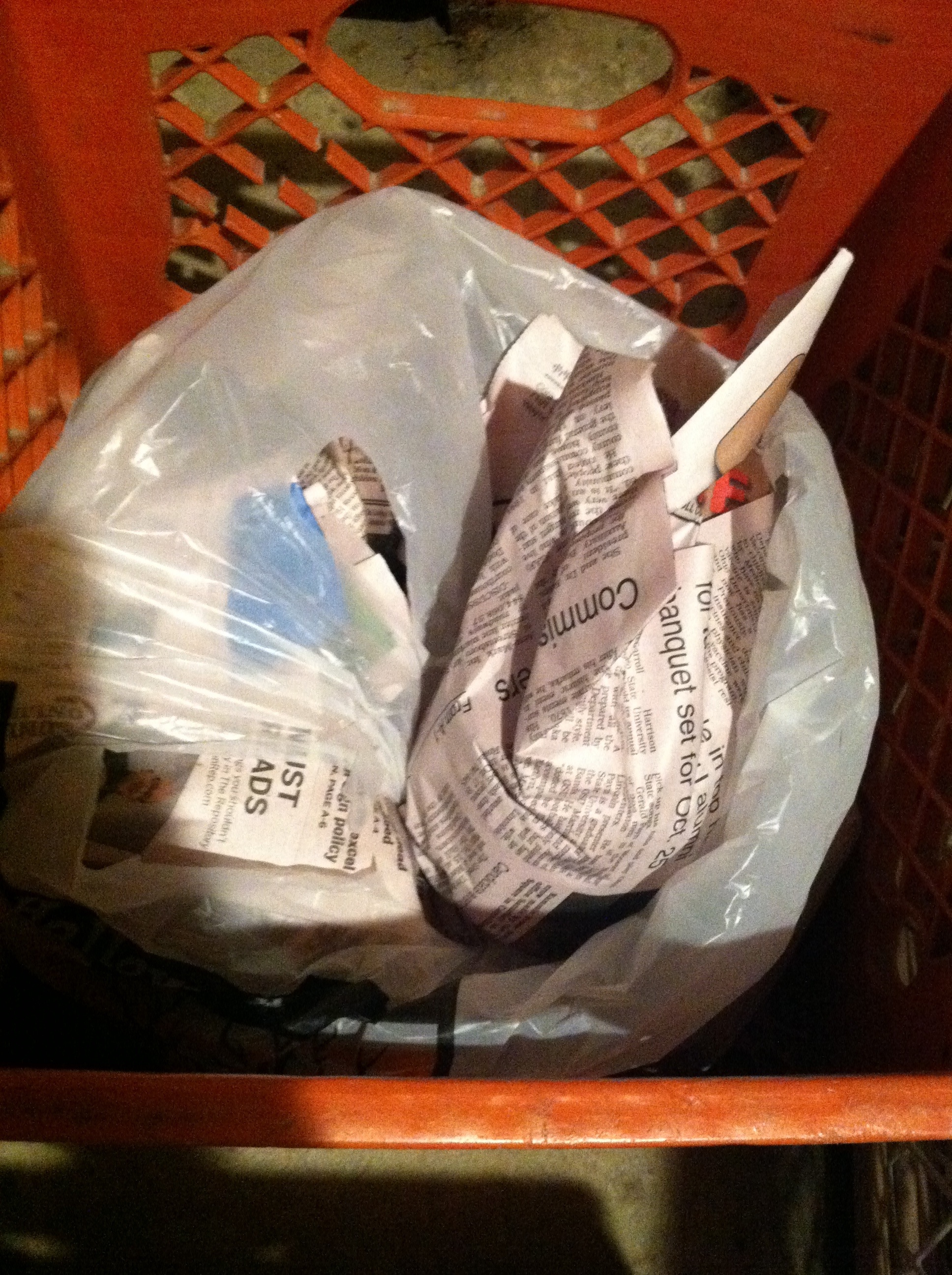
And Grandma’s special sweet potatoes are wrapped in newspapers & stored in a crate as well. I forgot to weigh these, too – but I do know we had 2 crates full. These taters last longer – I bet we go 9 months or so… 🙂

20130228-181303.jpg

Evidence spring is coming…

What a beautiful weekend we just had! Thought I’d share some pics of spring bursting forward…

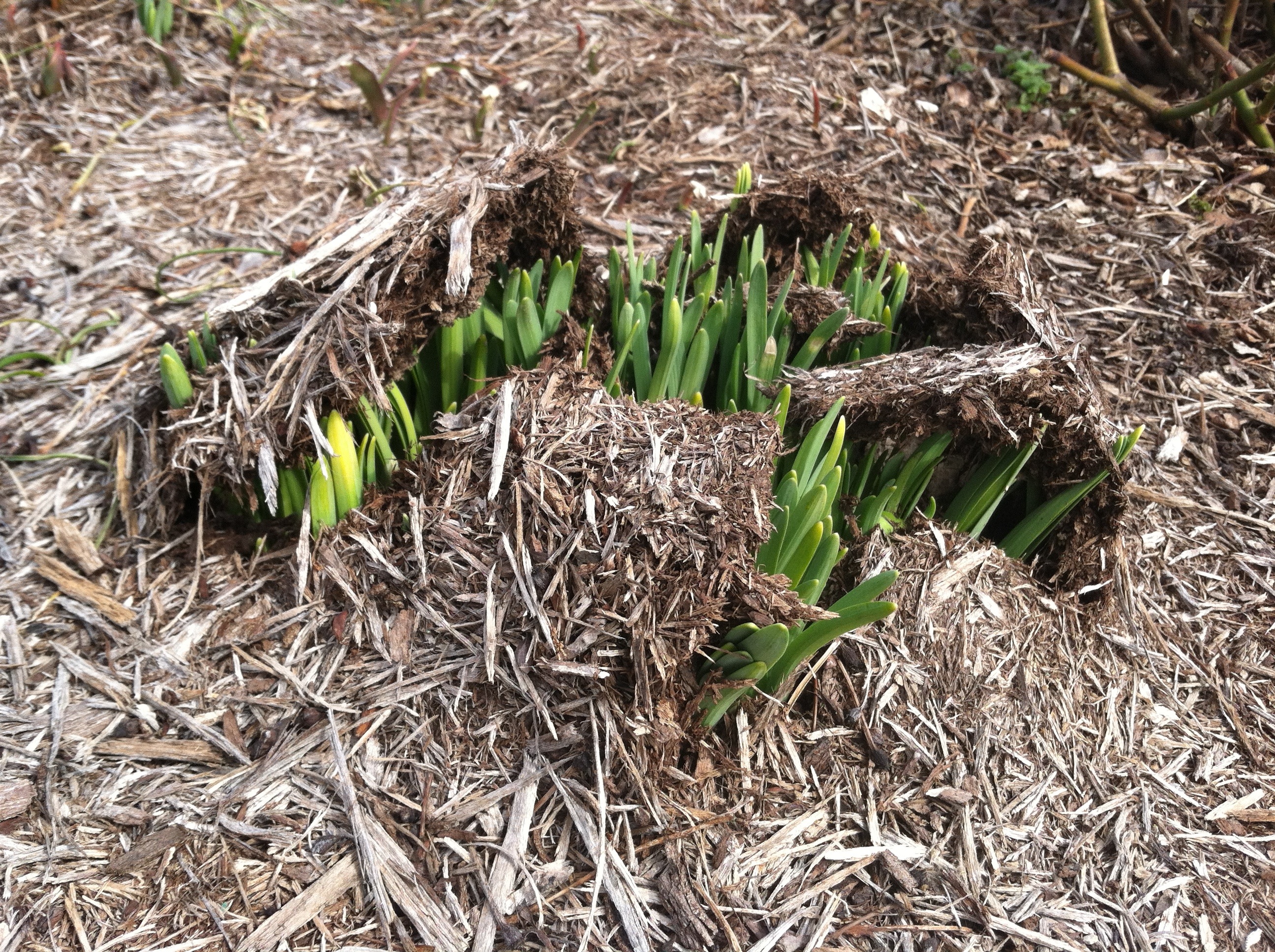
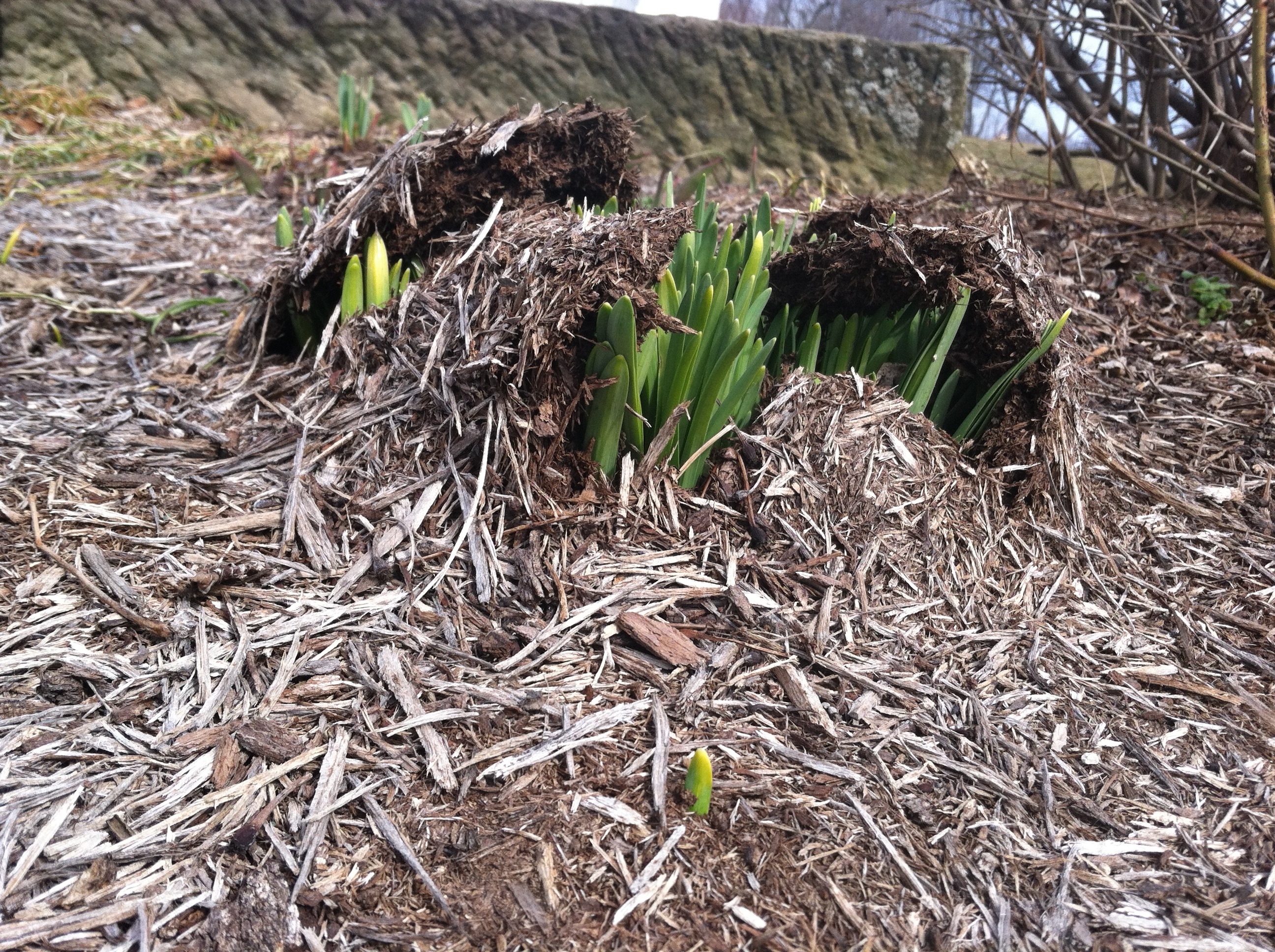
Daffodils shooting through the dirt…

20130311-092708.jpg

20130311-093459.jpg

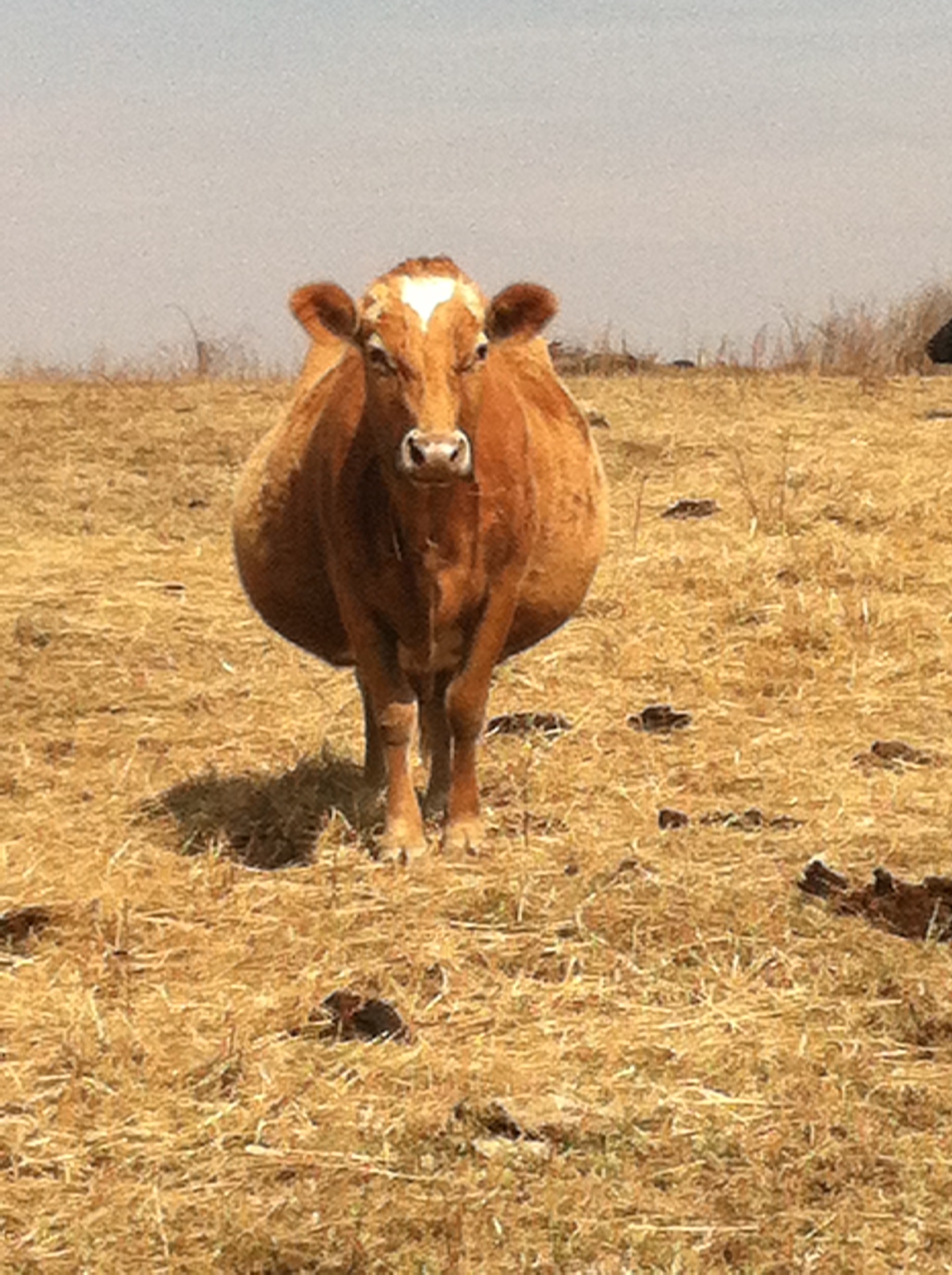
Buttercup looking HUGE, lol…

20130311-095001.jpg

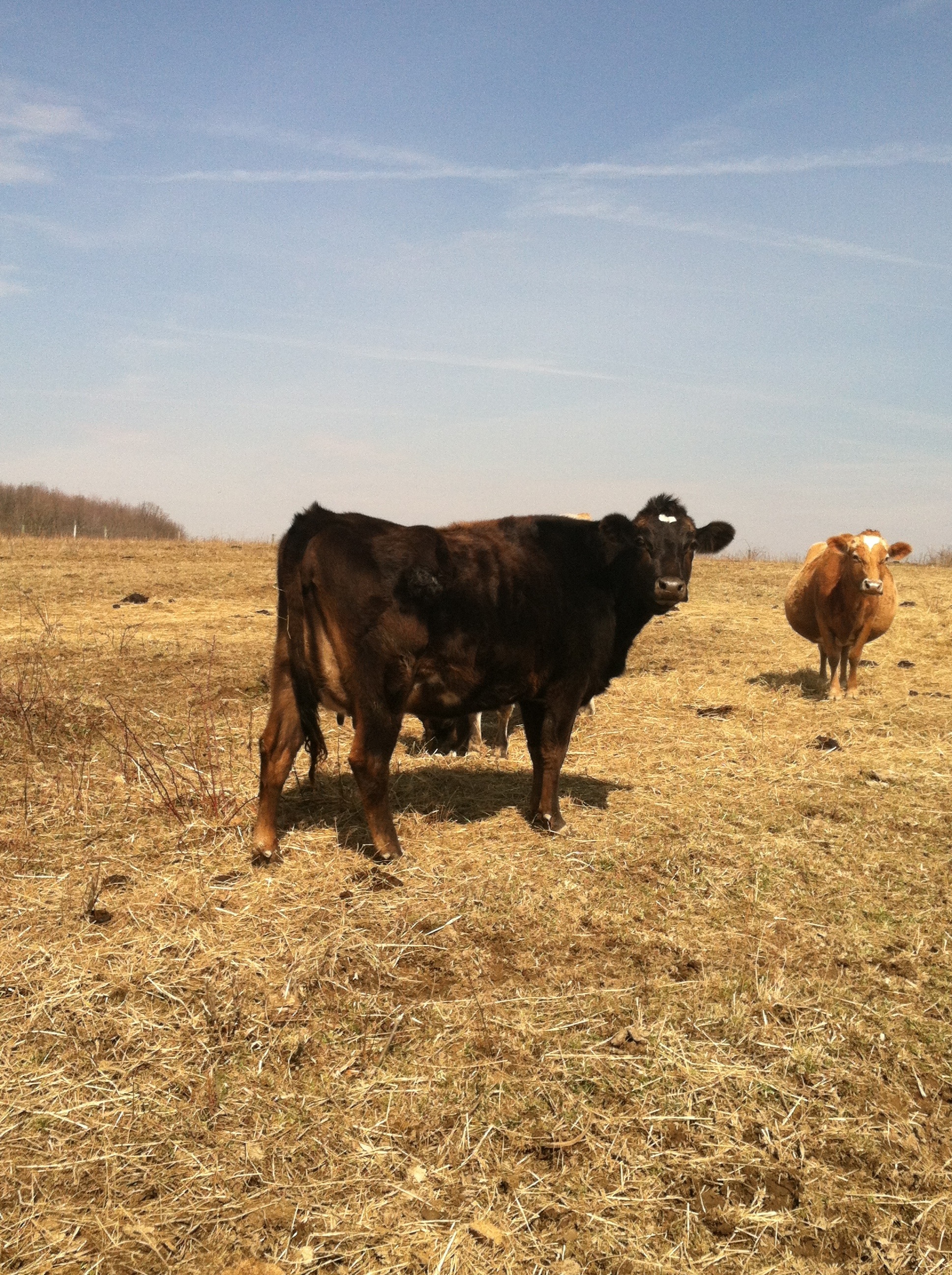
PeaPod’s udder is getting bigger… Her due date is just 12 days away!

20130311-095305.jpg

And Tangerine is swelling up, too… Her due date is the 29th.

20130311-095409.jpg

We’ve begun our morning “calf-check” walks. A wonderful way to begin each day… 🙂

20130311-100534.jpg

Spring inside…

The anticipation of spring is one of my favorite times of the year. Thoughts of vibrant colors & new life are right around the corner. 🙂

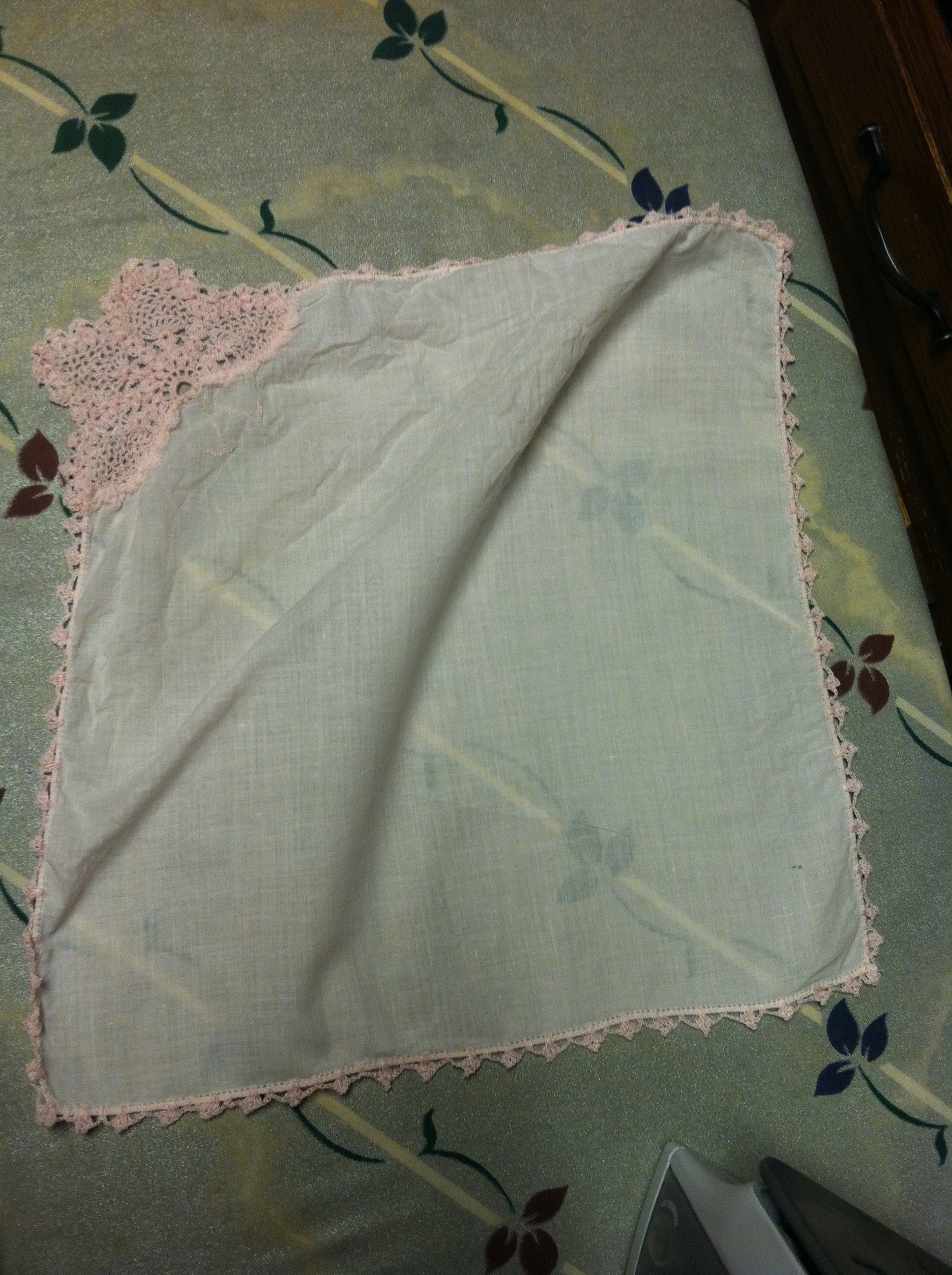
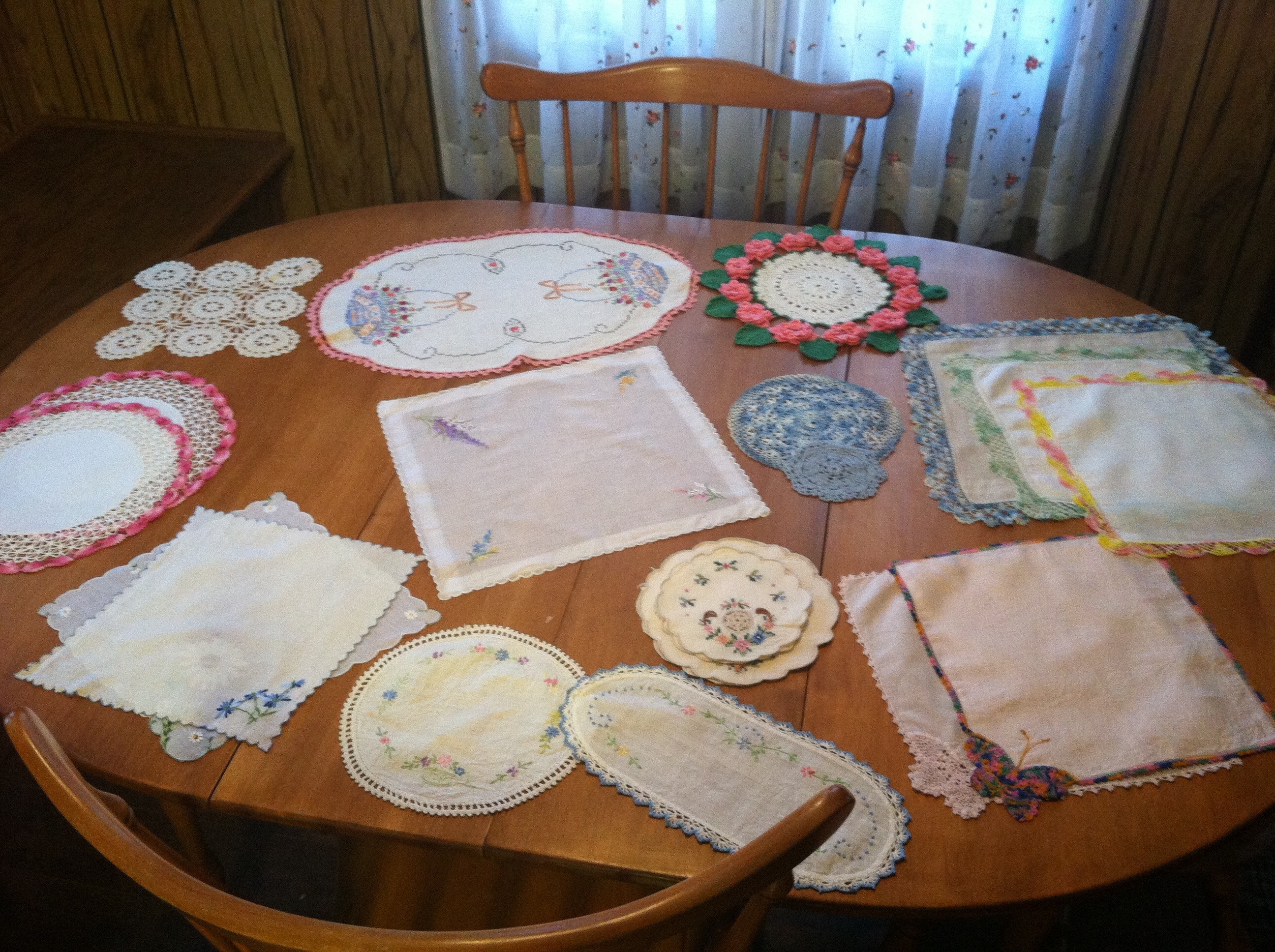
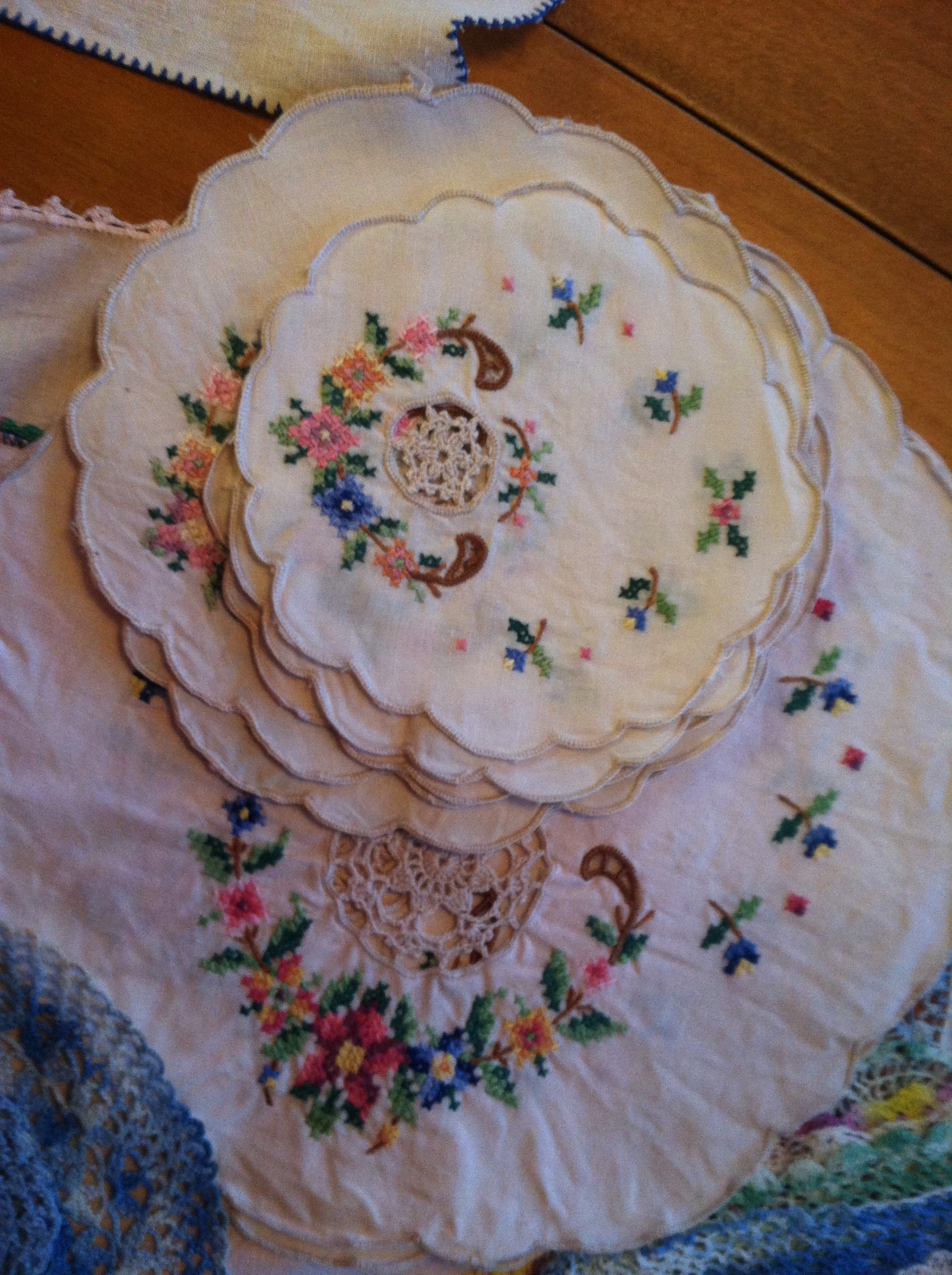
It makes two of my least favorite chores enjoyable: hand-washing delicates, and ironing…time-consuming tasks that are tedious & slow moving. But this act of tenderly washing delicate craftmanship & smoothing out its wrinkles, parallels my walk with Jesus. And I love reflecting on this while I prepare for the new season, the new births, the new outdoor activities… Jesus has tenderly washed me of my sins, and straightens out the wrinkles of my life more and more each day. Fits so perfectly with preparing to celebrate His Resurrection in just a few weeks! 🙂

Thought I’d share some pics of what the transformation of spring looks like inside our home. 🙂

20130309-204841.jpg

20130309-204902.jpg

20130309-204924.jpg

20130309-205010.jpg

20130309-205050.jpg

20130309-205122.jpg

20130309-205145.jpg

20130309-205209.jpg

20130309-205228.jpg

20130309-205356.jpg

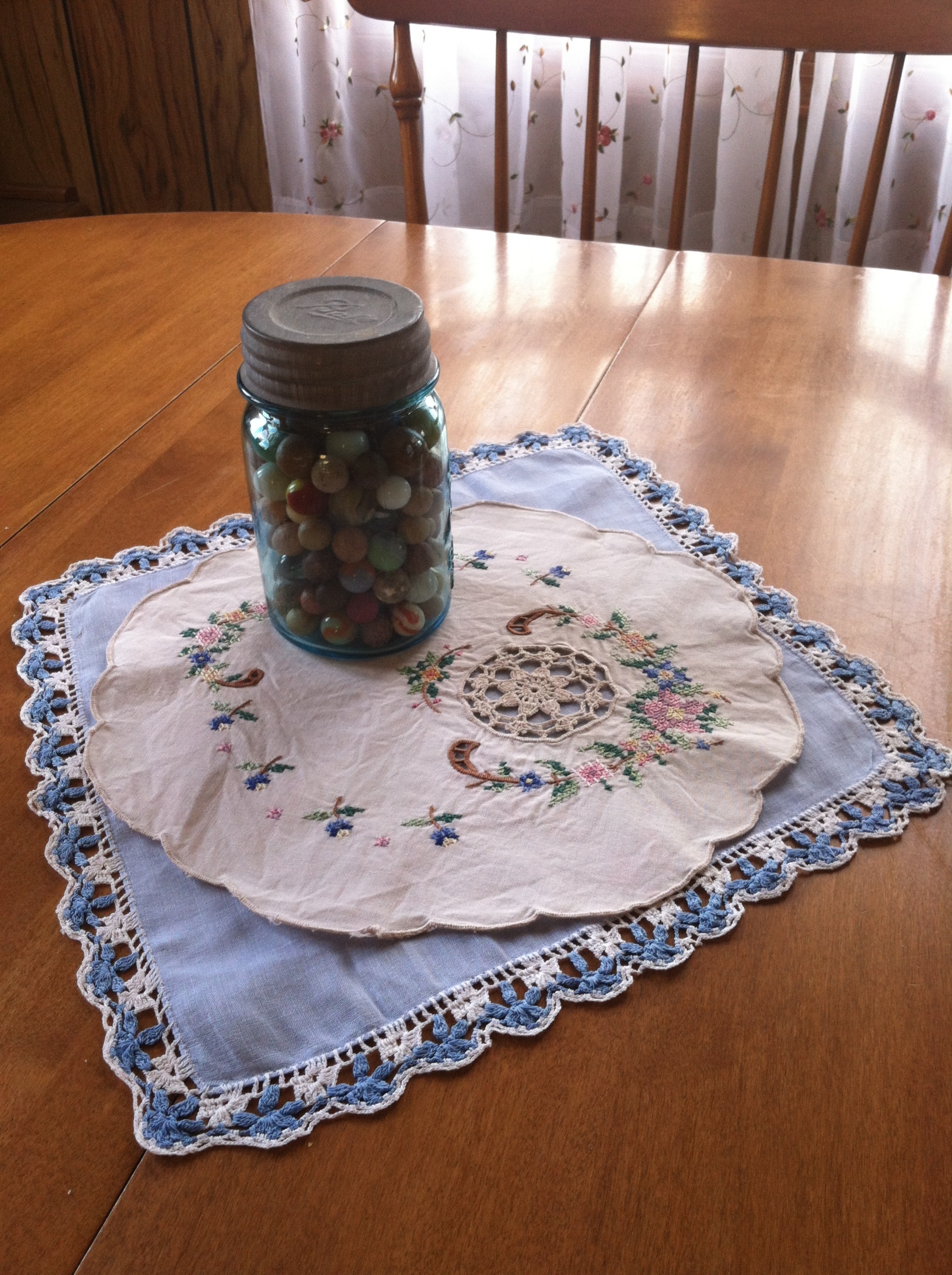
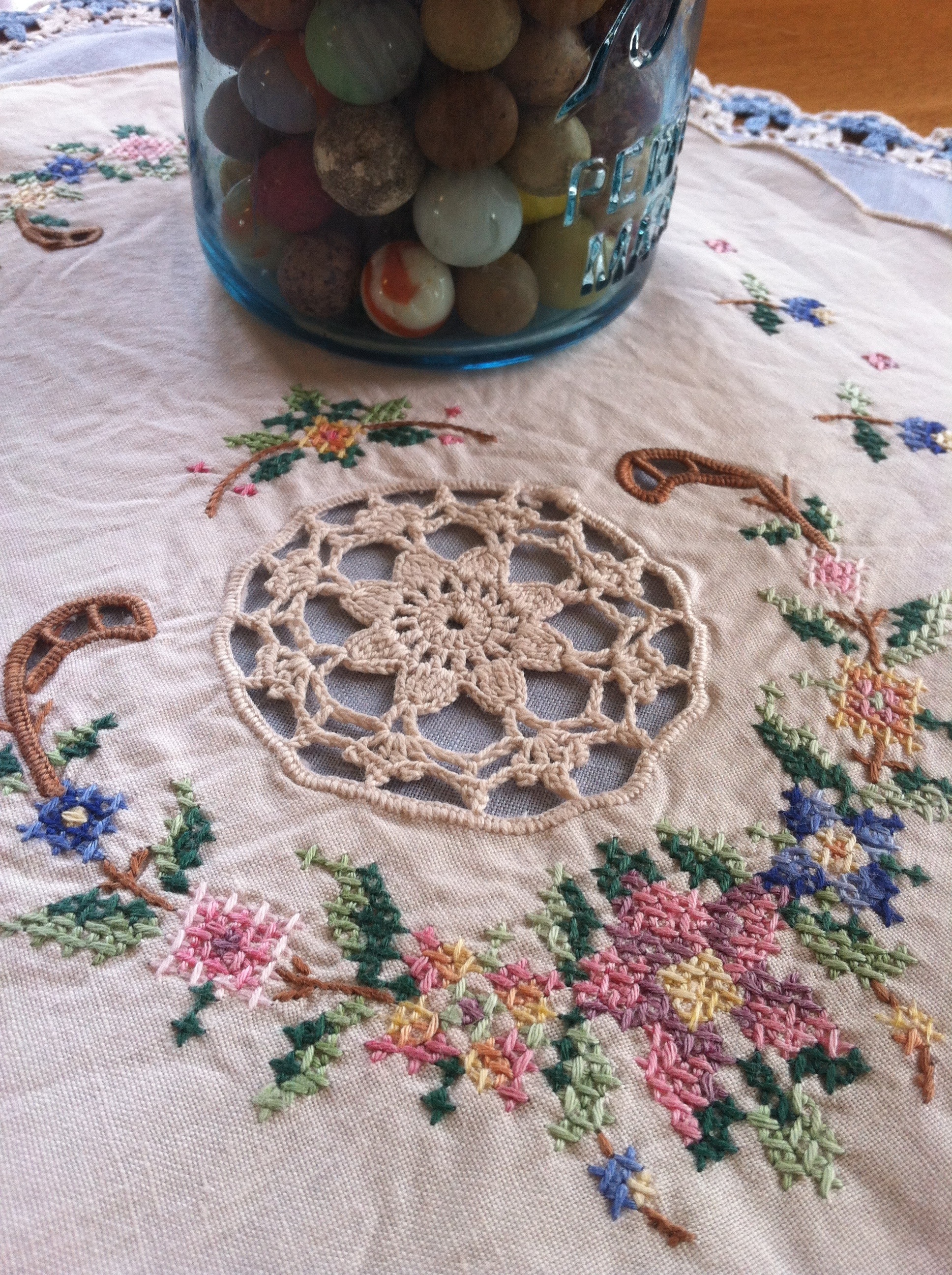
Marbles? Yes, marbles, lol… Love that they are old & colorful – and um, hidden meaning here… On those hard days when I feel overwhelmed and like I’m “losing my marbles” – this visual reminder will help me stop & LOOK UP to where my Hope comes from. 🙂

20130309-205416.jpg

20130309-205442.jpg

20130309-205507.jpg

20130309-205527.jpg

20130309-205606.jpg

20130309-205620.jpg

20130309-205645.jpg

20130309-205716.jpg

20130309-205740.jpg

20130309-205834.jpg

our bean soup recipe

Since this is a favorite soup of ours, we make a huge stockpot of it, and freeze portions for future meals. I like that I can make lots of soup without using up a bunch of our canned broths…

Hydrate 2 pounds+4 ounces of dried beans. (Click here for my “bean formula” & how we prepare our beans.)

Once hydrated, place in 8 quart stock pot with 6 quarts of water.

Add:

1-1/2 pounds cooked & drained ground beef

2 quarts of whole tomatoes, crushed

3 cups of chopped celery

3 T sea salt

3 t dried parsley flakes

6 garlic cloves, minced

3 t dried thyme

6 bay leaves

1 T coarse pepper

a couple whole hot peppers, optional

Cover the pot & allow soup to simmer for hours, stirring occasionally. It tastes great the day you make it, but gets better & better as days go by! (May need to remove the hot peppers after the first day or so, depending on how spicy you like your soup!) 🙂

20130307-105332.jpg

20130307-105603.jpg

dried beans

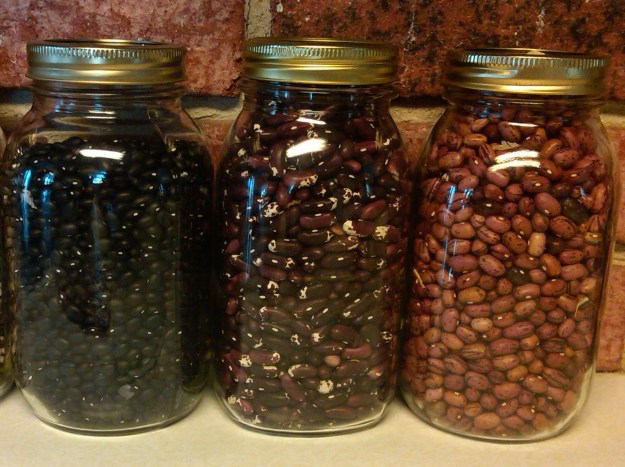
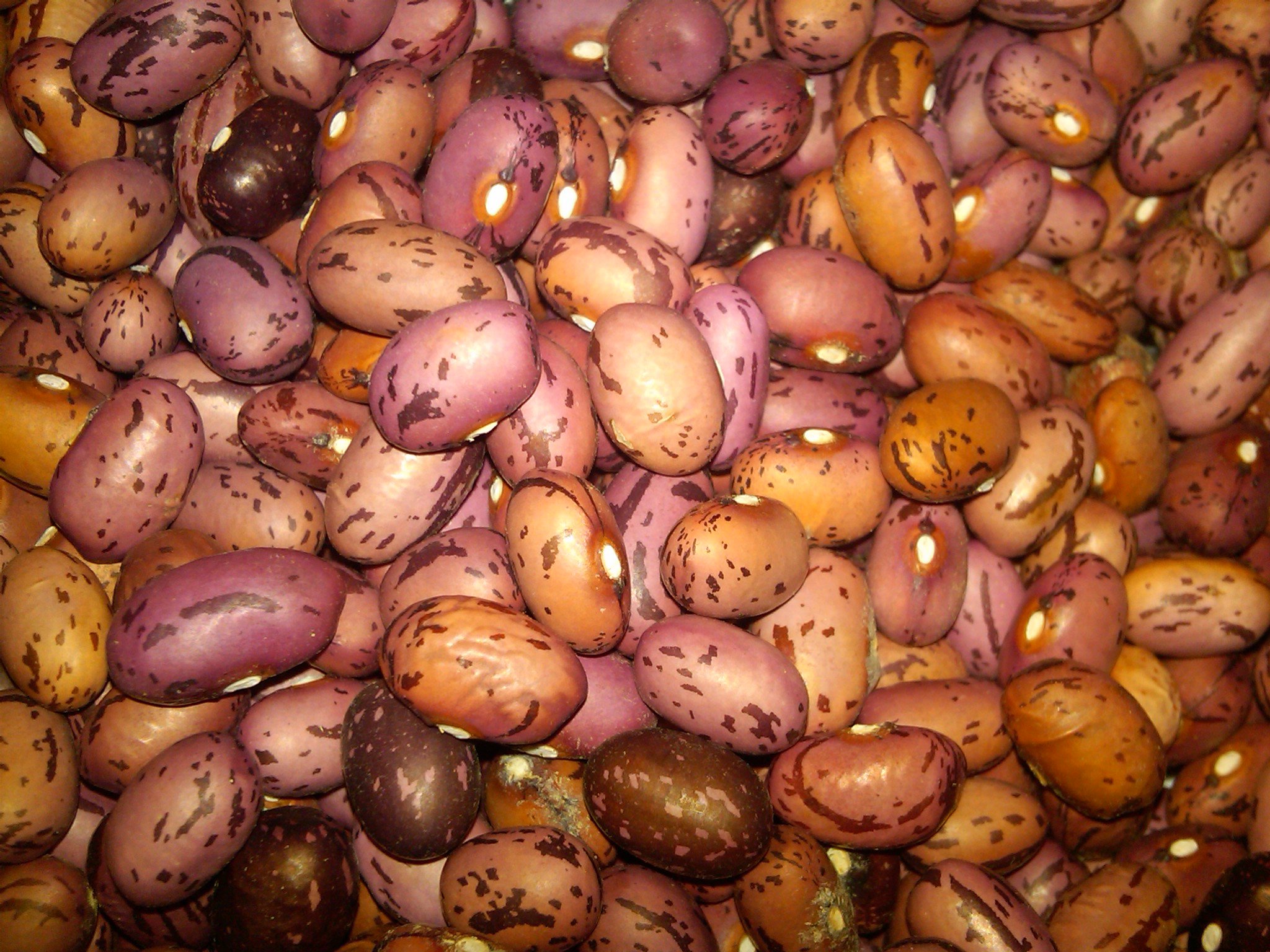
After touring a friend’s garden a few years ago, we were introduced to these soup beans.  LOVE THEM!  We normally grow Black Turtles, Vermont Cranberries, and Jacob’s Cattle.  Their colors are beautiful and look so pretty in a glass jar! The seeds are planted just like you would green bean seeds, only instead of harvesting them to eat like you would green beans (which you CAN do…), we leave them on the plants until the pods are dried and the plants are yellow/brown – early fall.  Once we harvest the dried pods, we simply remove the seeds from the pods. If they are really dry, the pods can “paper-cut” your fingers, so we try to not wait too long. [I was unable to find any pictures of them in this state, so perhaps this season I can take some & update this post…]

This is a GREAT chore that forces you to S-L-O-W down… I think that’s why I enjoy these beans so much.  They force me to SIT and “listen”…  Good therapy after a busy season of harvesting. 🙂

We do the best we can to sort out the imperfect seeds – ones that have sprouted or are cracked.  Usually, they are in the minority. (One year we did grow one type of seed: Painted Ponies, that had a lot of imperfect seeds, so we haven’t grown it again.)

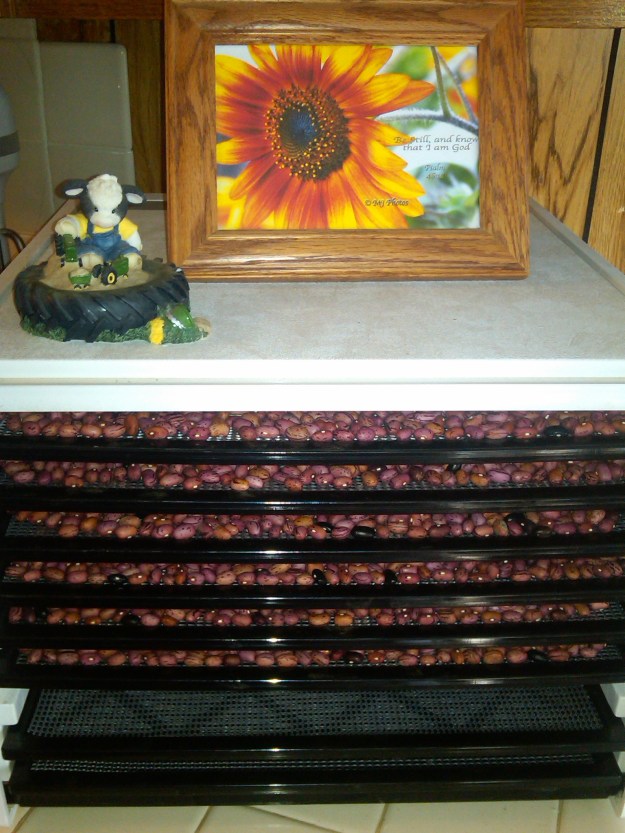
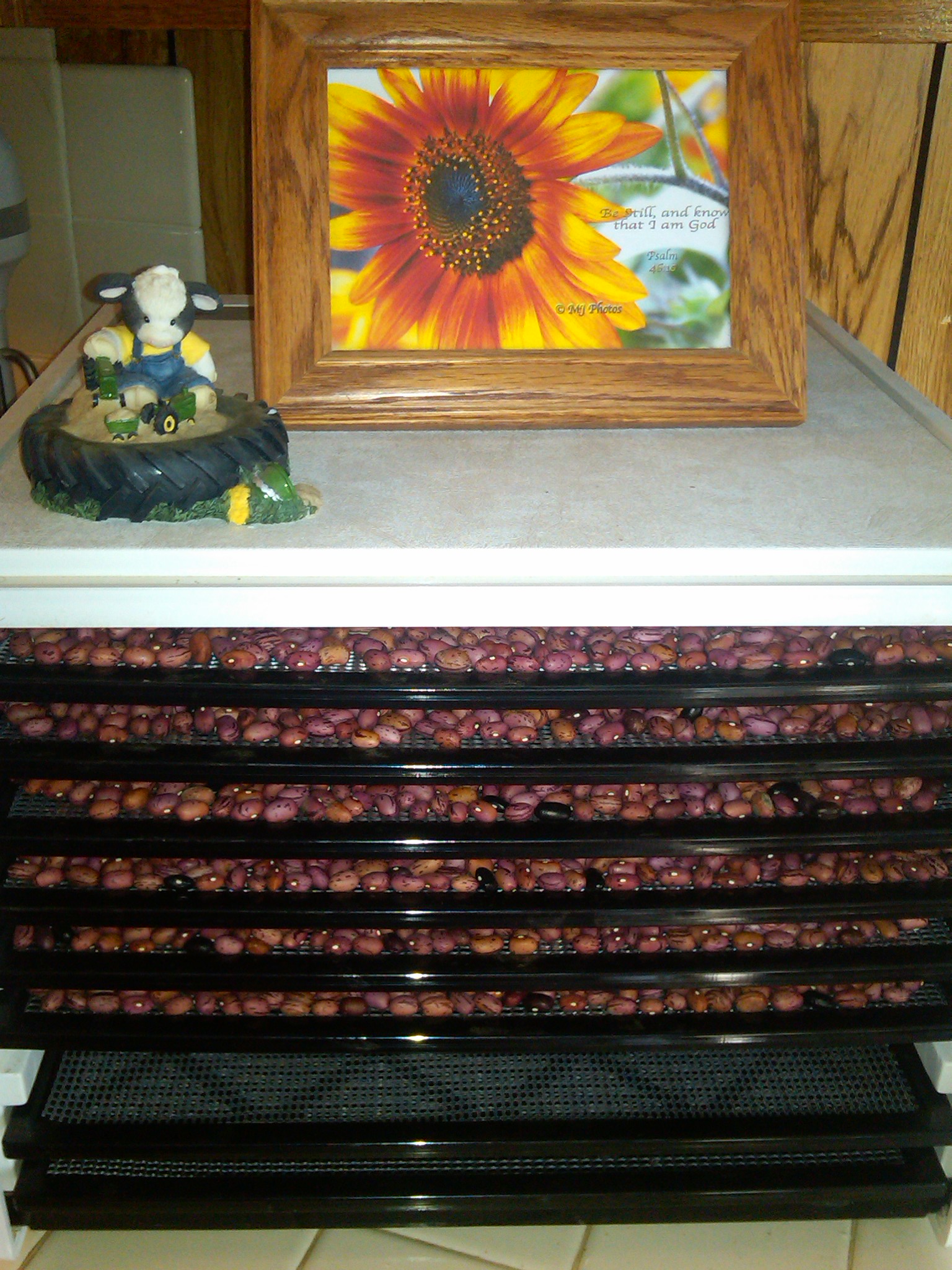
Just to make sure there is no moisture in the beans before storing them in glass jars in our pantry, we dry them in our dehydrator overnight.

To hydrate the beans, the best thing to do is soak them overnight.  We like to use a mixture of water & whey. This actually makes the beans more digestible.  That being said, in reality, I don’t always have the forethought to do that.  Most of the time I want to use them in a recipe the same day.  So below is the method we use that is quicker and works for us.

My formula for determining how many beans to hydrate is:

1/2 pound of dried beans = 1 cup of dried beans = 3 cups of finished, hydrated beans

Place dried beans in a large pot and cover with water by at least 2 inches. Bring to a boil. Boil for 1 minute. Remove pot from the heat, add a lid, and allow it to sit for 1 hour. Drain and rinse the beans. Add fresh water to cover the beans for at least 2 inches.  Bring to a boil. Add a lid & lower the heat.  Allow the beans to simmer for about 10-15 minutes. (…taste testing the crunchiness of a bean every so often…) Also need to remove the lid & stir occasionally – will keep the foamy water from overflowing onto your stove-top.:)

**This procedure is about half the time most cookbooks say to prepare dried beans.  We learned that the age of the beans determines how long the hydrating will take…when we followed the cookbooks, our beans were MUSH, lol. (Kinda makes you wonder just how old the beans are that are on the store shelves! Not a big deal, though – it is a nice attribute that this is a food with a long shelf-life.) After experimenting with less & less boiling times, we came up with our above procedure.  I say all this so that it is understood that it may take longer to get older dried beans to desired softness. 🙂

IMG-20120921-02293

IMG-20120921-02295

IMG-20120921-02297

IMG00473-20100925-1201a

Last season we had 21 quarts of beans for our pantry, 11 quarts for next door, and many smaller jars we filled & gave away as Christmas gifts with our bean soup recipe. 🙂

Little boys and former little boys…

20130305-071119.jpg

It’s a beautiful thing to witness one generation teaching the ones behind them… 🙂

Lord, may we all recognize teachable moments in our daily walks…opportunities to show Love, feel Love, speak Love, and receive Love. Thank You for reminding me that not all learning happens at a desk or from a book – and that Your work is done 24 hours a day, 7 days a week. Continue to prepare me for Your lesson-plan and may I always remember that You are THE TEACHER. I love being Your willing assistant! AMEN

Fix these words of mine in your hearts and minds; tie them as symbols on your hands and bind them on your foreheads. Teach them to your children, talking about them when you sit at home and when you walk along the road, when you lie down and when you get up. Write them on the doorframes of your houses and on your gates, so that your days and the days of your children may be many in the land the Lord swore to give your ancestors, as many as the days that the heavens are above the earth. (Deuteronomy 11:18-21 NIV)

Processing carrots and celery

The carrots that aren’t eaten fresh, we blanch, chop, & freeze. Once they have drained well, we throw them in a big gallon bag. They don’t freeze into a solid clump, so we just scoop out whatever we need for our recipes for the year. I think last season we had 8 full gallon sized bags of carrots. 🙂

IMG-20120915-02270

IMG-20120915-02271

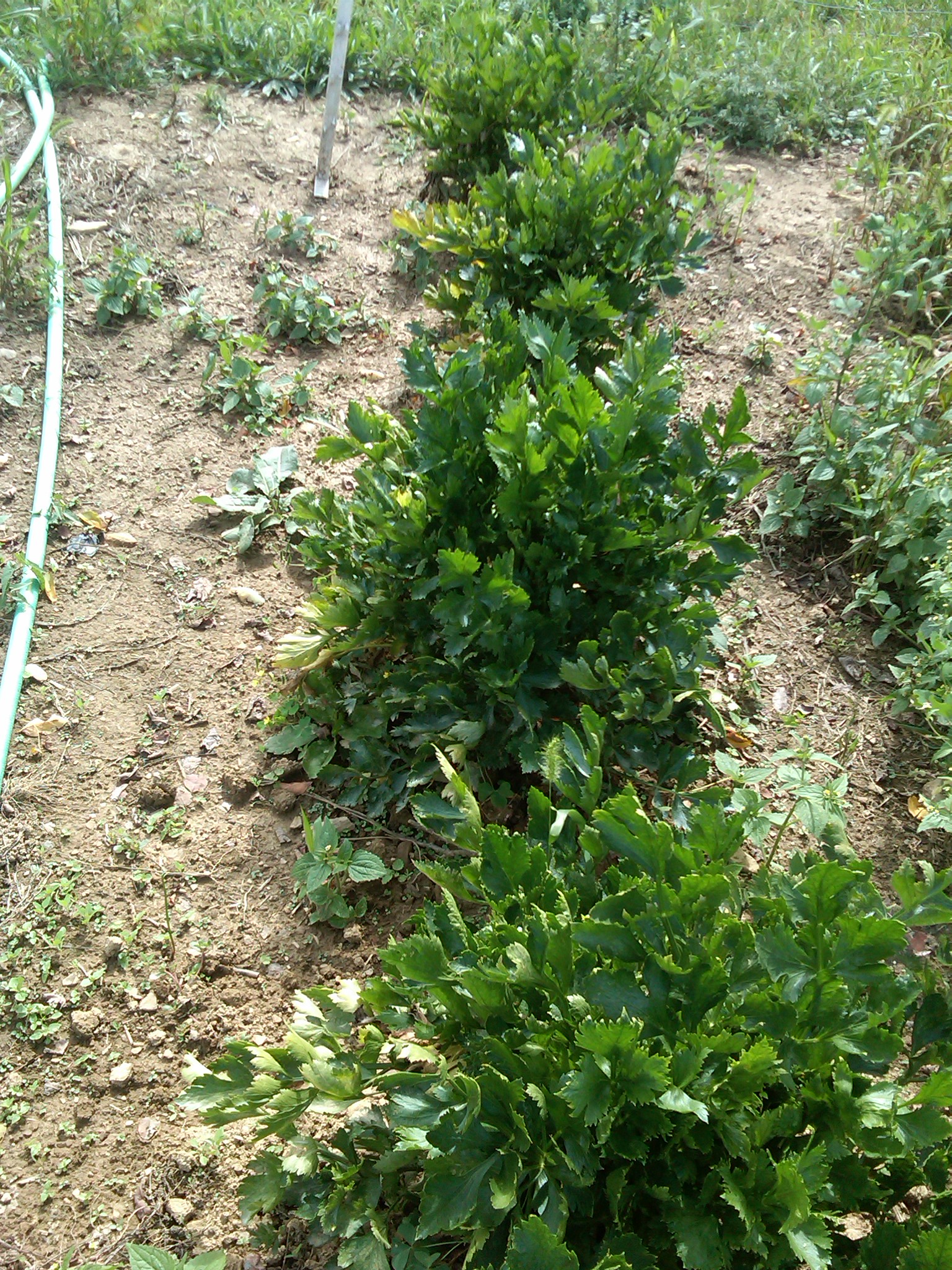
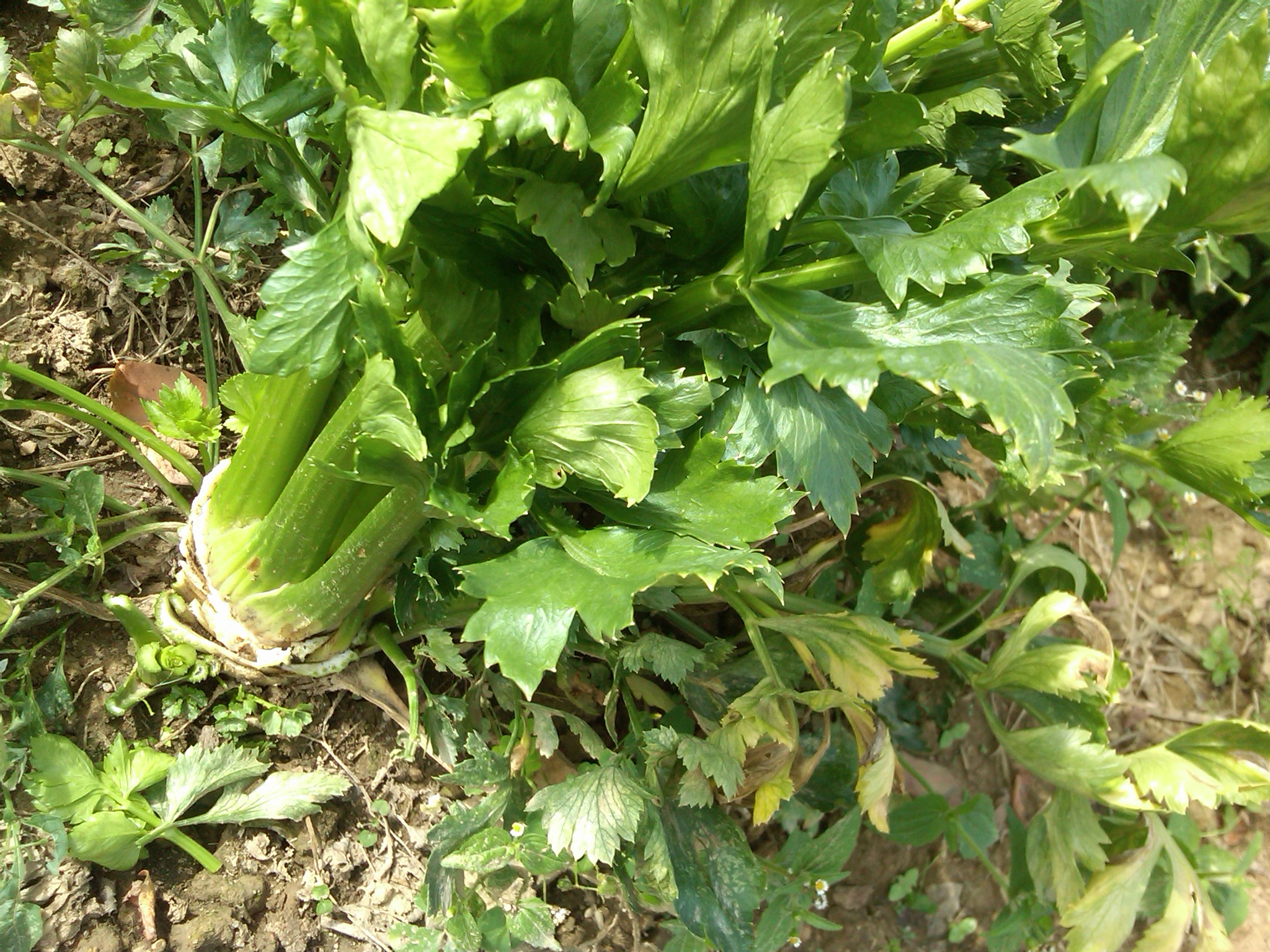
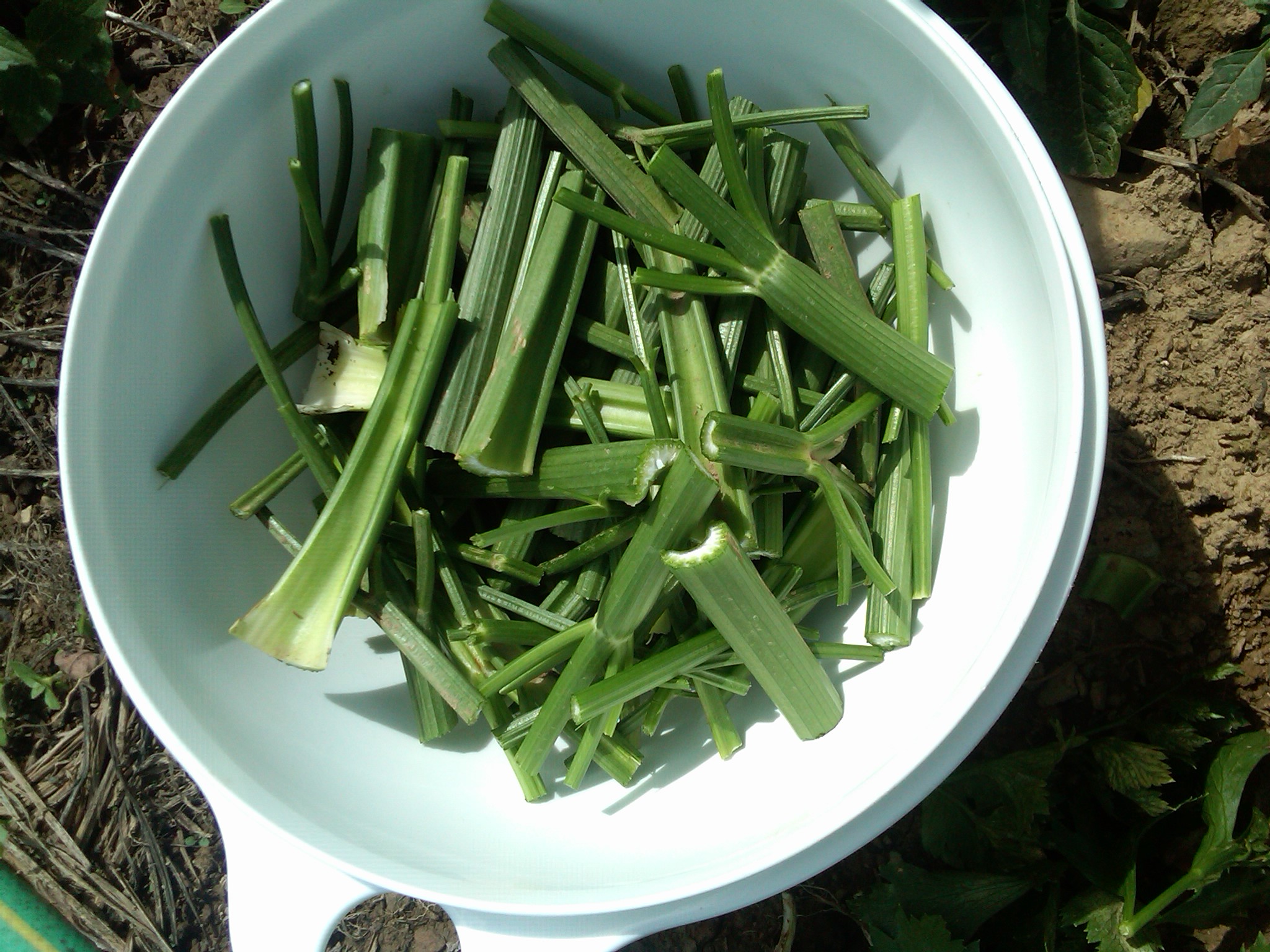
Celery has really been a fun plant for us. Once the plants are established, we just cut off a few stalks as we need them during the summer. Plants just keep growing up more stalks! At the end of the season, we cut off what’s left. We just wash, chop, and freeze it. I suppose we could blanch it, but we never have. Just like the carrots, it goes into one gallon freezer bags. I think we had about 8 bags last season. 🙂
IMG-20120920-02287

IMG-20120920-02285

IMG-20120920-02286